

GO/NO-GO Thread Gauges: A Receiving Inspection Checklist
A GO/NO-GO thread gauge checks a specified thread against defined limits; it does not provide a numerical measurement or certify the complete fastener.

Left-Hand vs Right-Hand Threads: Identify and Specify the Correct Hand
Thread hand describes the direction in which a thread advances when turned. Viewed from the turning end of a screw toward the receiving hole, a right-hand screw normally advances away from you with clockwise rotation; a left-hand screw advances with counterclockwise rotation.

Tight Threads After Electroplating: What Buyers Should Check
Investigate tight threads after electroplating by linking coating requirements, thread clearance and finished-part acceptance records.

Can Bolts Be Reused? A Maintenance Review Checklist
Review bolt reuse through service instructions, part identity, inspection and installation conditions before returning removed fasteners to service.
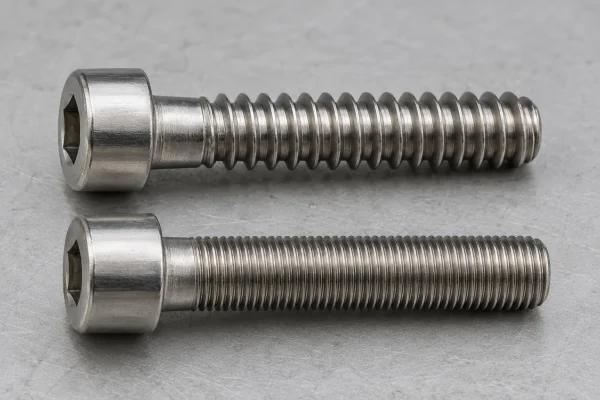
How Do You Choose the Right Screw Thread Type?
Compare screw thread types and choose the right fit for your assembly. Follow four steps covering mating parts, pitch, operating conditions and supply.

Non-Standard Screws vs Standard Screws: Key Differences, Pros & Cons Guide
Compare standard and non-standard screws by drawing requirements, geometry, sourcing and approval needs before preparing an OEM enquiry.

Fully Threaded vs Partially Threaded Screws: Check the Usable Thread
Compare fully threaded vs partially threaded screws using usable thread intervals, a geometry example and an OEM substitution checklist.

Metric Thread Tolerance 6g and 6H: An OEM Drawing Checklist
Understand metric thread tolerance 6g and 6H, finish-condition questions and the inspection records to include in an OEM enquiry.

How Screws Are Made: A Manufacturing and OEM Inspection Guide
Follow the screw manufacturing process from forming to inspection and use the OEM checklist to agree on samples, gauges and lot records.