
 English
 Arabic
 Dutch
 French
 German
 Italian
 Portuguese
 Russian
 Spanish

Thread hand describes the direction in which a thread advances when turned. Viewed from the turning end of a screw toward the receiving hole, a right-hand screw normally advances away from you with clockwise rotation; a left-hand screw advances with counterclockwise rotation. Diameter and pitch do not establish handedness. For a replacement or an OEM order, confirm the drawing and matching internal thread before attempting assembly.
The practical mistake is often not a lack of measurement. A buyer records diameter, pitch and length, but leaves the hand implicit. A visually similar replacement then reaches the assembly station with a different mating requirement. This guide separates identification from the engineering decision to use a particular hand.
Fix the viewing direction before describing rotation
“Turns to the left” is incomplete when two people are looking from opposite ends. Use the screw’s turning end as the observation point, looking along the axis toward the mating component. Keep the receiving part stationary when discussing the screw’s advance. If the nut is the part being turned, describe that operation explicitly rather than transferring a sketch without its viewpoint.
| Check | Right-hand thread | Left-hand thread |
|---|---|---|
| View from turning end toward receiving hole | Clockwise rotation advances screw into the hole | Counterclockwise rotation advances screw into the hole |
| Compatible mating thread | Matching right-hand internal thread | Matching left-hand internal thread |
| What must also match | Thread system, diameter, pitch, fit and applicable geometry | |
This comparison describes motion, not tightening torque, load capacity or a universal locking method. A left-hand part is not a general cure for a joint that loosens in service. The complete mechanism and joint design determine whether opposite handedness serves a useful purpose.
Use the drawing first, the photograph second
Look for an explicit left-hand designation such as LH and the applicable drawing convention. Check the full part number against the supplier’s documentation: suffixes are not universal across manufacturers. A photograph can support a review of helix direction, but mirrored images, perspective and short visible thread sections can make it misleading.
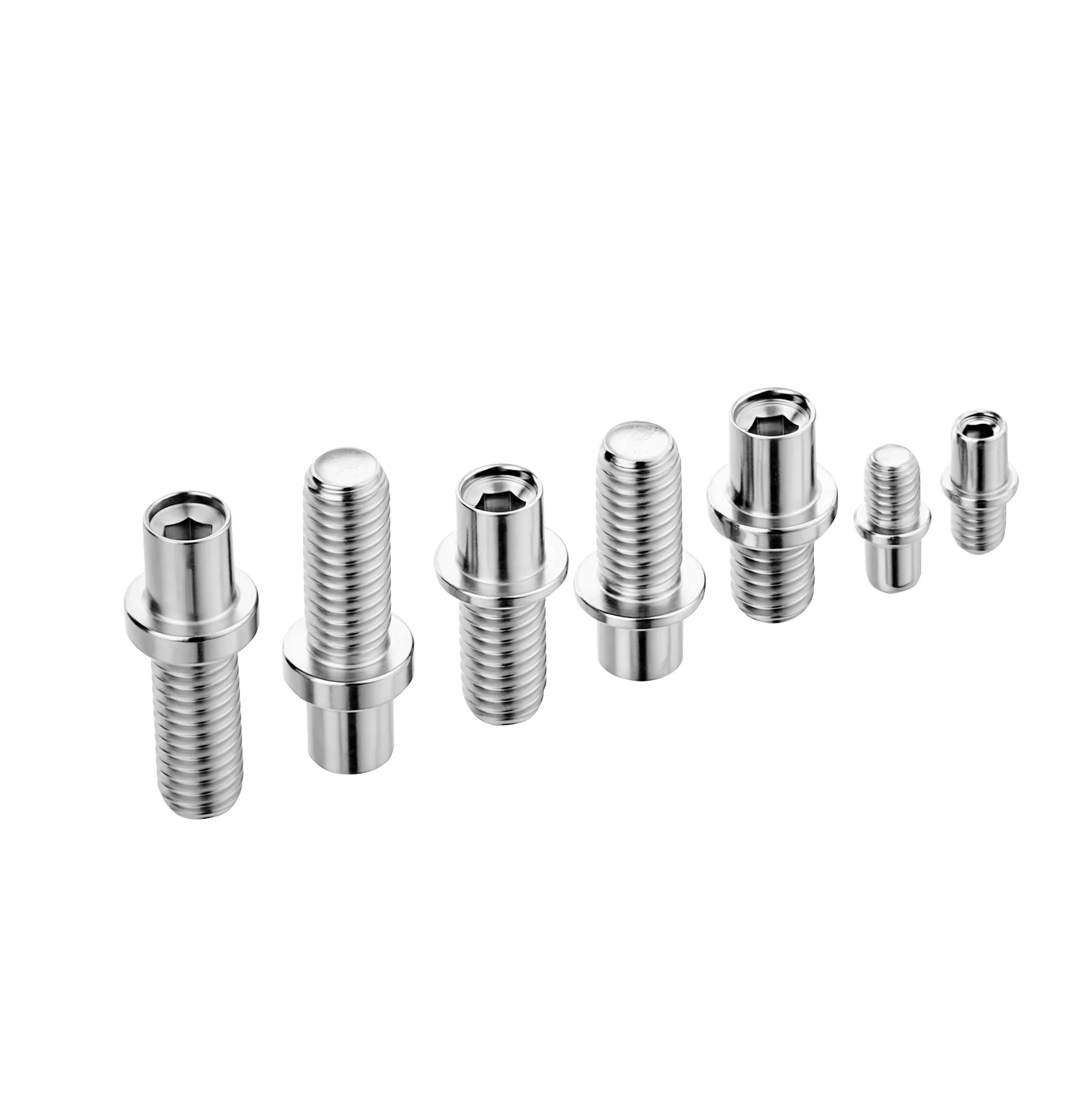
Do not assign a thread hand from the head style or finish. A slot, socket or hex head describes a driving interface, while thread hand describes the helix. Likewise, no generic groove or notch should be treated as a universal left-hand identification mark without the relevant product specification.
A receiving checklist that prevents mixed-hand stock
| Stage | Record | Action if uncertain |
|---|---|---|
| Document review | Part number, drawing revision, hand and complete thread designation | Hold identification pending clarification |
| Container check | Label and batch identity linked to the drawing | Segregate mixed or unlabelled parts |
| Part identification | Specified markings and an appropriate thread-identification method | Do not infer hand from appearance alone |
| Assembly trial | Known matching counterpart and approved procedure | Stop at unexpected resistance; investigate compatibility |
A trial with an ordinary nut is an assembly observation, not a substitute for specified dimensional acceptance. Do not force a mismatched pair to “prove” which hand is present. Preserve sample identity so a successful trial does not become an unsupported acceptance of every part in a mixed container.
Keep opposite-hand components separate in the purchase order
For a mechanism requiring both hands, give each component its own controlled identity. Include quantity by hand, the mating-part drawing, usable thread length, material and finish, and the inspection requirements. Ask for packaging that keeps the two identities readable through receiving and line-side handling.
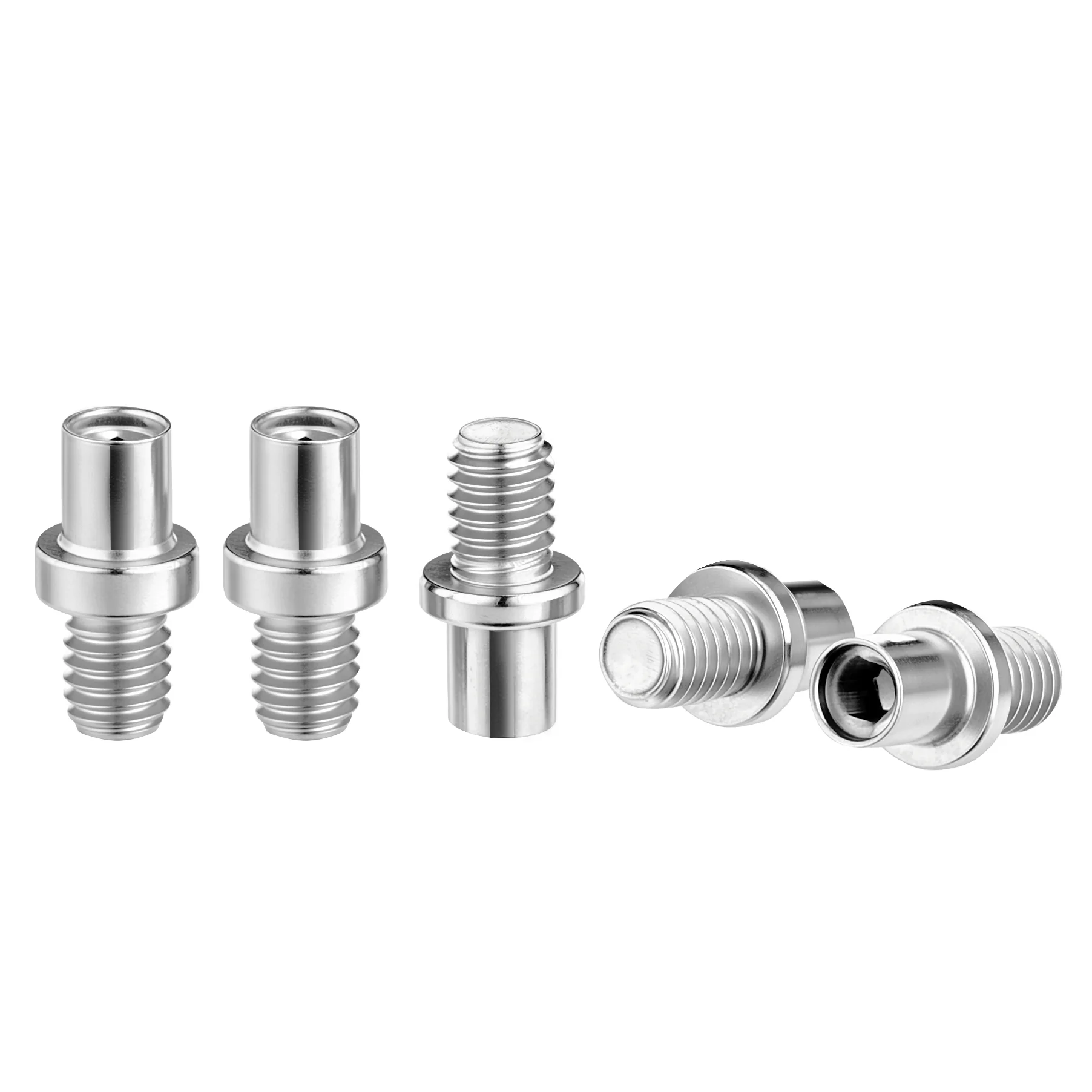
For example, an enquiry for two adjustment components should state which member has each hand and show the assembly relationship. Do not request “one normal and one reverse” without the thread designation and viewing convention. This is a documentation example, not a claim about a Hongyuan product or a recommendation to alter an existing mechanism.
Frequently asked questions
Does the same diameter and pitch make opposite hands interchangeable?
No. Hand must match as well. Diameter and pitch describe only part of the mating requirement.
Can a left-hand screw prevent every loosening problem?
No. Determine the actual mechanism and joint requirements. Changing hand is a design change, not a universal vibration remedy.
Can I identify the hand from a supplier photograph?
Use the photograph as supporting information. Confirm with the drawing, product documentation and an appropriate identification procedure.
What should accompany a replacement sample?
The mating part or its drawing, the original designation, the installation direction and any known part history. A worn or unidentified sample alone may leave critical requirements unresolved.
Discuss a complete thread specification with Hongyuan
Send the part and mating drawings with the required hand clearly identified. Ask Hongyuan to review manufacturing feasibility and inspection requirements before treating a similar-looking component as a replacement. Read the thread-type guide for the distinction between system and pitch, or contact Hongyuan with your enquiry.


