 English
 Arabic
 Dutch
 French
 German
 Italian
 Portuguese
 Russian
 Spanish
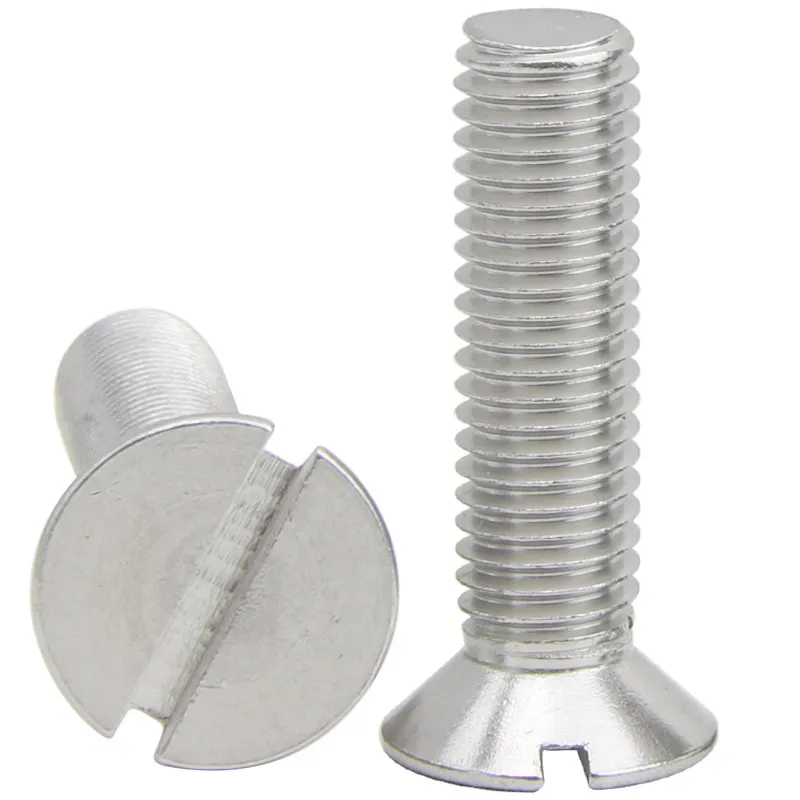
A screw that fitted before electroplating may become difficult to assemble because the finished coating occupies part of the available thread clearance. The question is not simply whether the nominal diameter is correct. Check the complete coating system, thread requirements before and after finishing, and the condition in which acceptance was specified. Do not remove coating or increase installation force before the cause and disposition have been reviewed.

Define the finished condition in the purchase specification
Coating thickness and thread clearance must be considered together. Electroplating can also be non-uniform, with local buildup affecting assembly or gauging. A thickness reading at one reference area does not automatically describe every location on the thread.
Describe the requested coating system clearly, including specified after-treatments. Keep the dimensional requirement tied to a defined production stage. A bare-thread measurement and a finished-part measurement answer different questions.
Keep three evidence streams together

| Evidence | Record to request | Question it answers |
| Controlled drawing | Thread designation, revision and final acceptance condition | What must the delivered part satisfy? |
| Coating record | Specified system, thickness requirement and measurement locations | What finish was required and checked? |
| Finished thread check | Specified gauge or measurement method, results and lot identity | Was the relevant finished condition evaluated? |
Investigate a tight fit without destroying the evidence
First identify the lot, drawing revision and mating component. Record whether the symptom appears at initial engagement or farther along the thread. Keep the affected samples separate from parts that assemble normally. Do not describe all resistance as “oversize plating” before reviewing other possible differences.
Next compare the purchase order, drawing and inspection record. Was acceptance intended after the full finish process? Was the same mating part used in the earlier trial? Was that trial a formal acceptance method or only an informal assembly check? These questions help reveal a documentation mismatch without assuming a manufacturing defect.
Then request the relevant measurements. The aim is to compare like conditions, not to collect isolated numbers. If coating thickness is reported, include its measurement location and applicable requirement. If thread gauging is reported, identify the method and finished-part stage. Keep results traceable to the actual samples under review.
A hypothetical change request: thicker finish, unchanged drawing
Suppose a buyer requests a revised coating requirement while retaining the original thread drawing and mating component. The existing fit should not be presumed unchanged. The revision needs a coordinated review of dimensional acceptance and the finish requirement before production is released.
Use a change record with four fields: original requirement, proposed requirement, affected inspection criteria and approval status. A supplier’s quotation should state any unresolved dimensional conditions. Avoid accepting a change solely because the color of the sample looks correct.
What a practical RFQ should include
Provide the thread designation, drawing revision, complete finish specification and any defined thickness locations. State which requirements apply to the delivered part and what evidence must accompany the lot. Include the mating-thread information where available and describe assembly symptoms factually.
If a deviation is proposed, document it separately from the original order. Do not silently replace the requested coating with another process or alter the thread after coating. Such changes need review of the intended assembly and protection requirements.
Frequently asked questions
Does a pre-coating thread check prove the delivered screw will fit?
No. It describes the earlier condition. The finished part must satisfy its applicable acceptance requirements.
Can the coating be identified from its color?
Color alone is not an adequate specification or acceptance record. Use the documented finish requirement and supporting inspection information.
Should I force the screw into the mating thread?
Do not use extra force as a corrective action. Preserve identifiable samples and investigate the mismatch against the specified requirements.
Can I specify a universal maximum coating thickness?
No. Evaluate the applicable thread and coating requirements together. This guide intentionally supplies no universal thickness limit.
Request a quotation for the delivered condition
Send Hongyuan the thread drawing and coating requirement together. Include quantity, required records and any fit concern so unresolved conditions can be addressed before order approval.