 English
 Arabic
 Dutch
 French
 German
 Italian
 Portuguese
 Russian
 Spanish
Role: This page checks usable thread vs overall length and whether a full-thread substitute is safe—one assembly action. It is not the hex bolt OEM selection pillar. Family choice (e.g. DIN 931 / ISO 4014 partial vs DIN 933 / ISO 4017 full practice), grade, and finish locks live on hex bolts OEM selection guide. Confirm the required thread length against the specified product standard and approved drawing. When family + layout are locked, submit Get a Quote.
The usual purchasing shorthand—diameter, pitch and length—does not always define the part completely. An unexpected smooth shank can reach a tapped hole before the intended thread region, or a thread transition can occupy a location the design expected to remain smooth. This guide explains how to describe the thread layout in an OEM enquiry.
Separate length from usable thread length
For a non-countersunk screw, define the seating datum and under-head length L. Then identify the start and end of the usable external thread. Do not count an incomplete transition or tip region as a full usable thread merely because a photograph shows grooves there. The drawing or applicable product specification must resolve those boundaries.
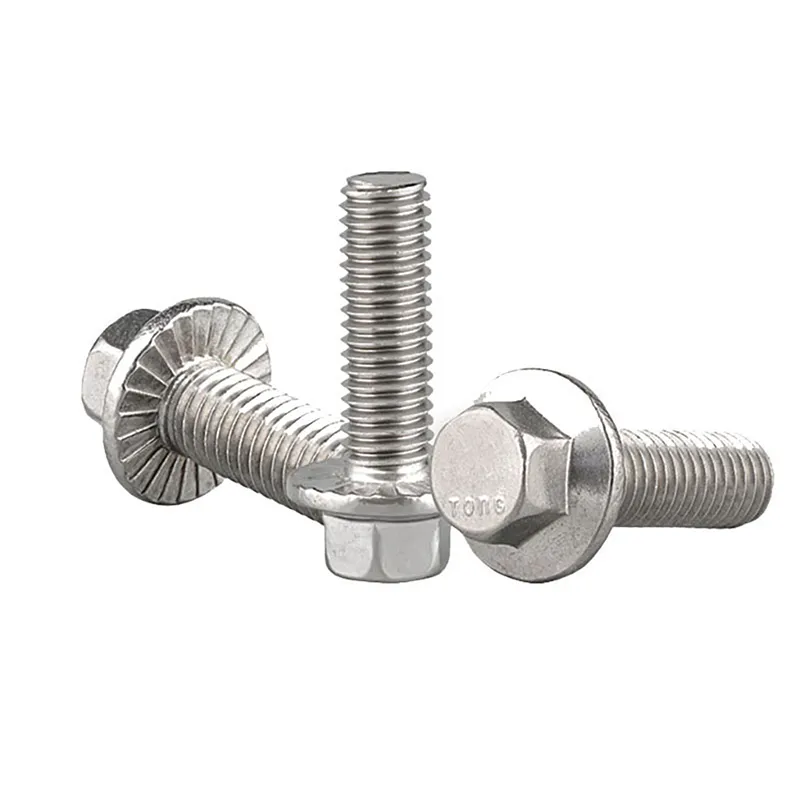
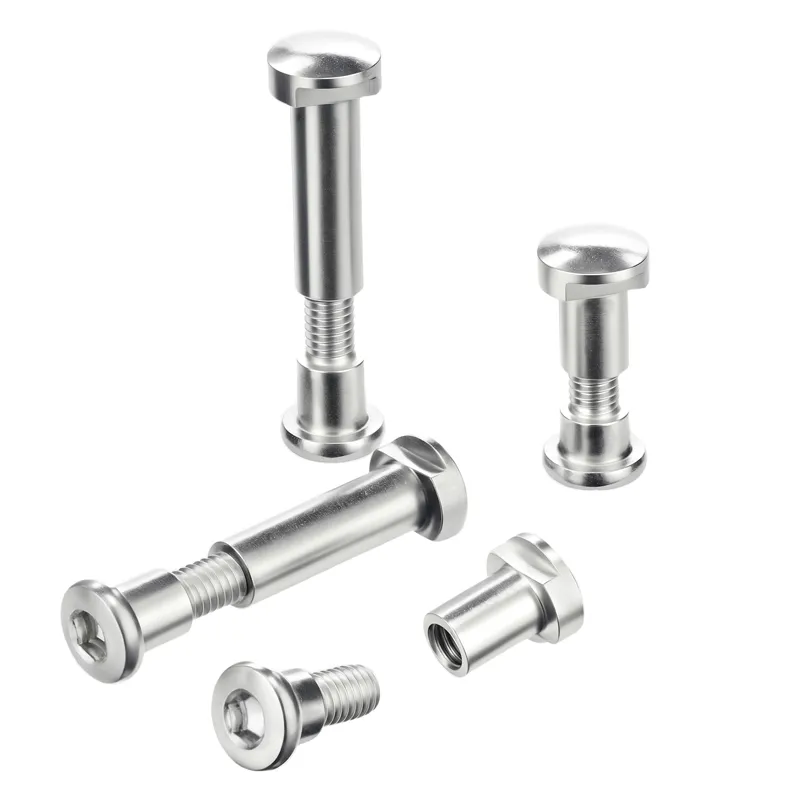
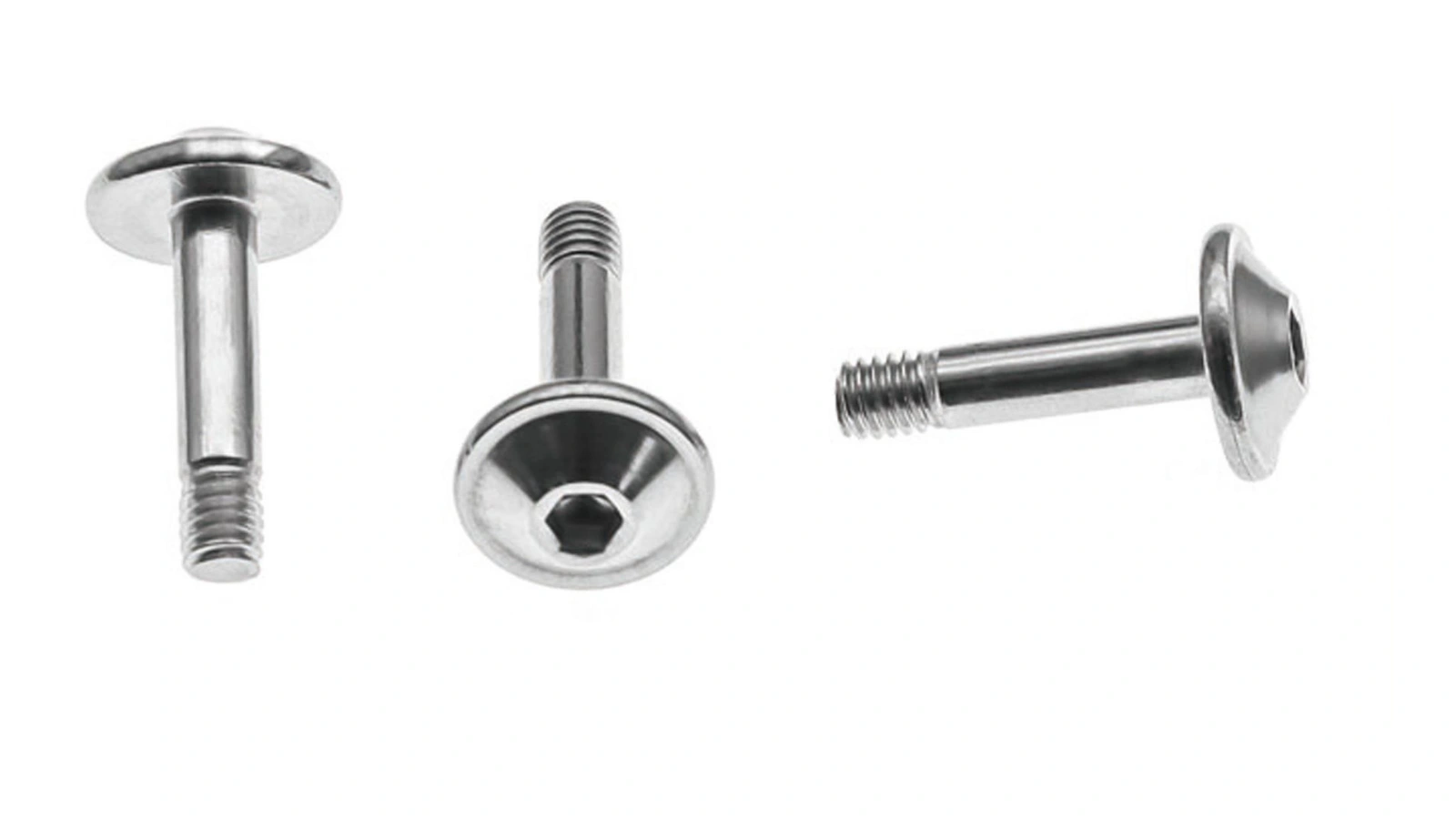
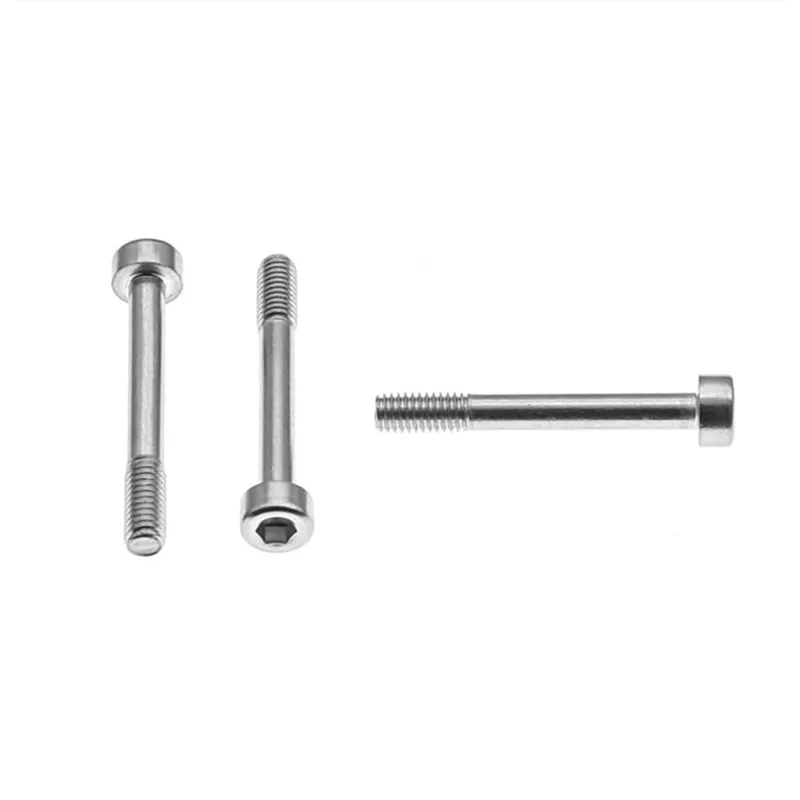
“Fully threaded” is a product description, not a promise that every point from the head to the tip has a complete mating profile. Similarly, “partial thread” does not identify the unthreaded length by itself. Catalogs distinguish variants: Bolt Depot separates partial- and full-thread flange bolts, while Accu lists full- and partial-thread options in its low-cap screw family. These sources establish that variants exist; their dimensions and materials are not Hongyuan specifications. Bolt Depot variant reference; Accu product-family reference.
| Layout | Question to ask | Risk of shorthand |
|---|---|---|
| Full thread | Where do complete usable threads start and end? | Counting incomplete head or tip regions |
| Partial thread | Where does the smooth shank end? | Treating L as the available thread length |
| Functional shoulder | Which diameter, fit and axial limits apply? | Assuming every smooth shank is a precision shoulder |
Map the external thread into the receiving part
Use a common axial coordinate to compare the two parts. Let x start at the underside of the seated head. If the clamped stack is S, the receiving surface is at x = S. A usable internal thread extending from depths a to b below that surface occupies the interval [S+a, S+b]. Describe the usable external thread as [u, v].
OEM RFQ module — lock these fields before you compare quotes
Partial vs full thread is an RFQ line. State usable-thread need with diameter × pitch × length so quotes stay same-scope.
Cover all seven information classes below. Leave a cell blank only when the drawing truly does not apply — do not invent MOQ, lead time, or salt-spray hours.
| RFQ field | What to lock | Notes |
|---|---|---|
| Material / alloy | Material / alloy family for the bolt/screw. | Required for same-scope quotes |
| Grade / property class | Named property class / grade + finish. | Named family; no hybrids |
| Tolerance or head/drive | Head / drive as on drawing; family practice if hex (e.g. DIN 931 / ISO 4014 partial vs DIN 933 / ISO 4017 full)—clause text buyer-cited. | Page-theme cell |
| Usable thread / length method | Full vs partial + usable thread length / engagement need (required on this page). Unthreaded shank in shear: say so. | Avoid method mix-ups |
| Quantity | Target qty for this SKU / release; MOQ only if buyer already knows (buyer-filled — do not invent) | Pending plant MOQ cells |
| Destination port / ship-to | Ship-to city/port + Incoterms if known (buyer-filled) | Lead time calendar not published here |
| Drawing / Rev / sample | PDF/CAD Rev or approved sample photo on the same enquiry | Required for production RFQ |
When the cells that change fit and strength are filled, submit via Get a Quote and attach the drawing or sample on the same enquiry. Prefer a written desk path? Use Contact Us.
Related OEM next steps:
- Get a quote with thread-length / usable-thread callouts
- Partial vs full thread bolt on RFQ drawings
- DIN 931 partial-thread hex bolt OEM RFQ
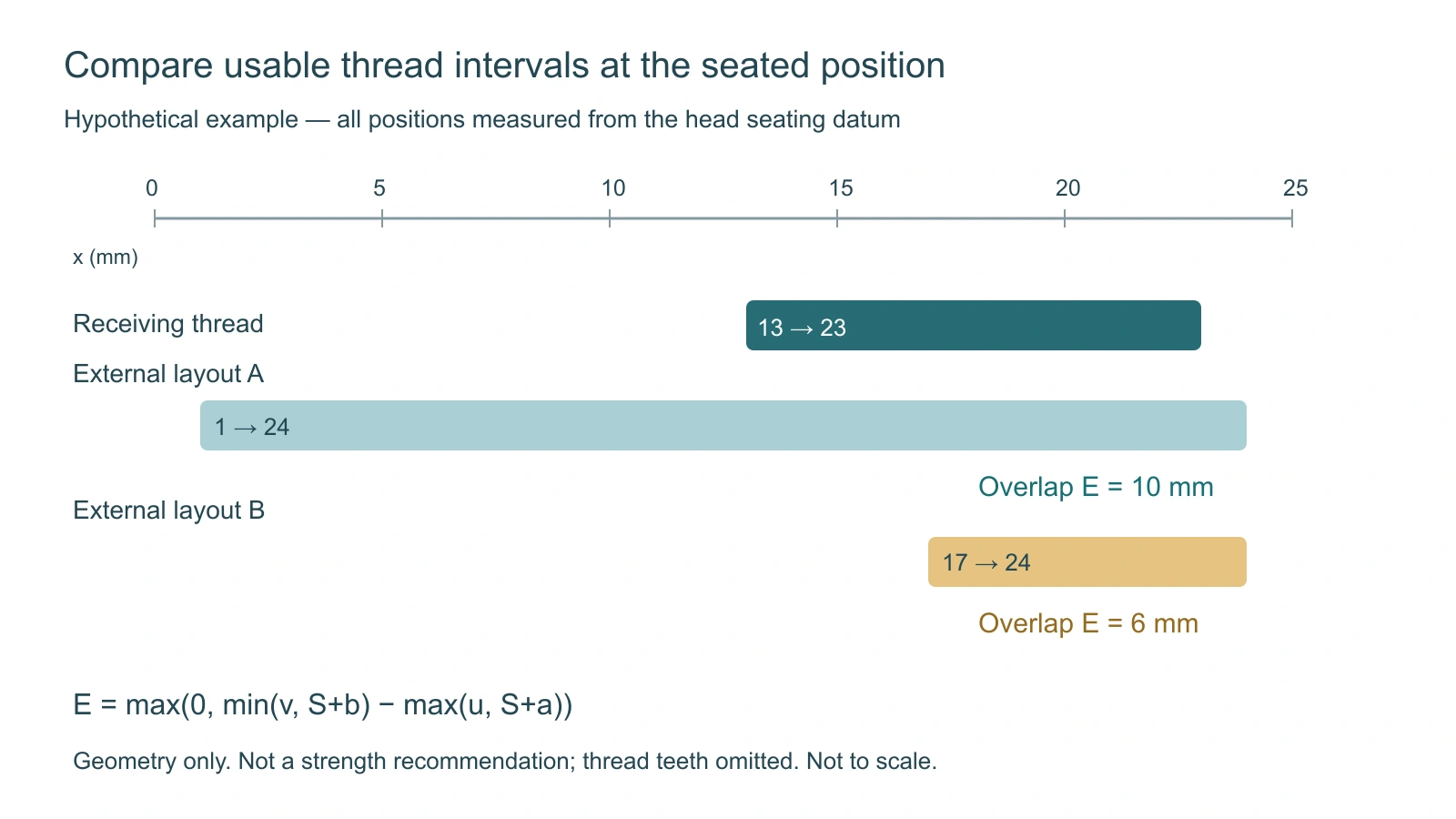
The geometry-only overlap is E = max(0, min(v, S+b) − max(u, S+a)). This interval calculation handles an unthreaded shank without pretending that the complete inserted length is engaged. It does not determine load capacity, installation torque or a safe minimum engagement.
A worked substitution example
The following dimensions are invented teaching inputs, not measurements of the cover product. Assume L = 25 mm, a seated stack S = 12 mm and a usable receiving-thread interval from 1 to 11 mm below the receiving surface. Its head-datum interval is therefore [13, 23] mm. Ignore tolerances for this first comparison.
| Hypothetical layout | Usable external interval | Usable overlap with [13, 23] |
|---|---|---|
| A: broad usable thread region | [1, 24] mm | min(24,23) − max(1,13) = 10 mm |
| B: longer unthreaded region | [17, 24] mm | min(24,23) − max(17,13) = 6 mm |
Both hypothetical screws have the same L. In the second layout, however, the usable external thread begins at 17 mm, beyond the start of the receiving-thread interval. Only 6 mm overlaps. That difference explains why length alone is an incomplete replacement criterion. Neither result is accepted here as sufficient for any real joint.
Repeat the comparison using the permitted extreme values in the real drawings. In particular, include the actual thread transition, seated washer stack, receiving-thread boundaries and screw tip. If several dimensions move together, use their defined relationship instead of combining impossible extremes. A separate tip-clearance review is still needed for a blind hole.
Questions that determine whether a substitution is appropriate
| Assembly question | What to review |
|---|---|
| Must a smooth region occupy a defined location? | Shank diameter, axial boundaries and mating fit |
| Does the thread begin late enough to reduce overlap? | External and internal usable intervals at seated conditions |
| Could the transition prevent seating? | Transition clearance and receiving geometry |
| Does a blind hole limit insertion? | Tip position and interference limit, separately from overlap |
| Has the proposed part changed only on paper? | Drawing revision, sample identity and agreed change approval |
An unthreaded shank intended for a located feature also needs its own diameter and fit requirements. Do not describe every smooth-shank screw as a precision shoulder screw. If the design depends on that feature, request the tolerances and mating dimensions explicitly rather than assigning them from a catalog photograph.
Partial vs full thread is an RFQ line, not a photo guess. If the joint needs unthreaded shank in shear, name a partial-thread family and keep usable-thread checks on this page; carry the family into hex bolts OEM selection guide with diameter × pitch × length + grade/finish. Do not assume a photo of “some hex bolt” implies full or partial. Lock the layout, then submit at Get a Quote. Confirm the required usable thread length on the approved drawing before ordering.
Put the thread layout into the RFQ
Supply a section view of the joint, the screw length datum, the usable threaded-length definition and any transition allowance. Include the seated stack range, mating part revision, material and finish requirements, and the designer’s required engagement. State whether the supplier is quoting an exact replacement or a proposed alternative requiring approval.
For receiving inspection, keep the product identity and drawing revision attached to the measurement record. If a supplier changes the threaded length while retaining the same headline size, review the assembly before accepting the new variant. A similar-looking bag label is not a drawing change record.
Frequently asked questions
Are fully threaded screws always stronger?
No strength ranking is established by this label. Review the material, mechanical requirements, geometry and joint design.
Can I calculate thread length from the screw photograph?
A photo can reveal the layout, but it does not establish dimensional limits. Use the approved drawing and an appropriate measurement method.
Can washers change the overlap?
Yes, the seated washers contribute to S. Changing S changes the position of the receiving-thread interval relative to the screw.
Is a partly threaded screw a shoulder screw?
Not automatically. A functional shoulder requires its own defined dimensions and tolerances.
Agree: lock thread layout, then hex family + quote
State full vs partial (buyer-named family) and usable-thread need on the RFQ. Continue OEM hex selection on hex bolts OEM selection guide, then Get a Quote. Sisters: bolt grades OEM buyer guide, metric vs imperial fasteners.
Review a proposed replacement with Hongyuan
Send the current screw drawing and mating-part section with your enquiry. Identify the locations that must remain threaded or smooth and request review of the proposed geometry. Resolve the designer’s acceptance criteria before using a thread-layout change as an interchangeable replacement.
Related reading: How to Measure Screw Length. Contact Hongyuan with your drawing and purchasing requirements.
Next step — drawing-based OEM enquiry
Thread layout locked—continue with family + grade on the quote.
- Get a Quote — preferred RFQ form for drawings / Rev / sample photos (production path).
- Contact Us — desk path for clarification before the formal RFQ.
Do not send bare “high strength / SS / standard screw” labels without the seven-field locks above. Hongyuan quotes from buyer-named fields + drawing scope — not from catalogue guesswork.