Non-Standard Screws vs Standard Screws: Key Differences, Pros & Cons Guide
Use a standard screw when its specified dimensions, thread and head fit your assembly. Ask for a drawing-based part when a feature such as the shoulder, head clearance or thread length must differ. Record the mating part and the features that control fit before requesting a quote.
Standard screws follow established specifications such as ISO 4762 or DIN 933, with fixed dimensions, thread profiles, and head types. Non-standard screws are produced to customer drawings or samples, allowing customized dimensions, head geometry, shank structure, or thread specifications. The core difference is fit — whether an existing standard can meet the application requirements.
Stocked standard screws can reduce development time; non-standard screws provide design flexibility where catalog options fall short. Confirm availability, tooling charges, sampling schedules and production lead times in the project quotation. The right choice depends on product design, assembly method, dimensional requirements, and intended use.
Standard Screws vs Non-Standard Screws: Key Differences
| Comparison Factor | Standard Screws | Non-Standard Screws |
| Specifications | Follow ISO, DIN, ASTM standards | Made to customer drawing or sample |
| Dimensions | Sizes defined by the applicable product standard and supplier range | Custom dimensions subject to manufacturing feasibility |
| Threads | Standard pitch (coarse/fine) | Special pitch or profile possible |
| Head and shank design | Common types (pan, flat, hex, etc.) | Special geometries per drawing |
| Tooling | Standard tooling available | Dedicated dies may be required; charges depend on the drawing |
| Lead time | Depends on confirmed stock and order requirements | Project-specific sampling and production schedules |
| Unit cost (1,000 pcs) | Lower; tooling spread across high volume | Higher; tooling and setup spread across fewer parts |
| Procurement | Multiple suppliers, easy comparison | Requires capable custom manufacturer |
| Design flexibility | Limited to available configurations | Full flexibility |
| Typical applications | General assembly and maintenance | Specialized products and OEM assemblies |
However, a non-standard screw does not always require new tooling — if an existing die can meet the drawing, customization may be possible without extensive development.
What Are the Advantages of Standard Screws?
Key advantages include:
- Established specifications: Dimensions and thread requirements are easier to communicate.
- Broad availability: Buyers can often compare products from different suppliers.
- Shorter lead times: Common sizes may be available from stock.
- Lower development requirements: New drawings, dedicated tooling, and sample approval may not be necessary.
For routine assembly and general fastening, standard screw specifications simplify purchasing and inventory management — particularly when interchangeable parts are a priority.
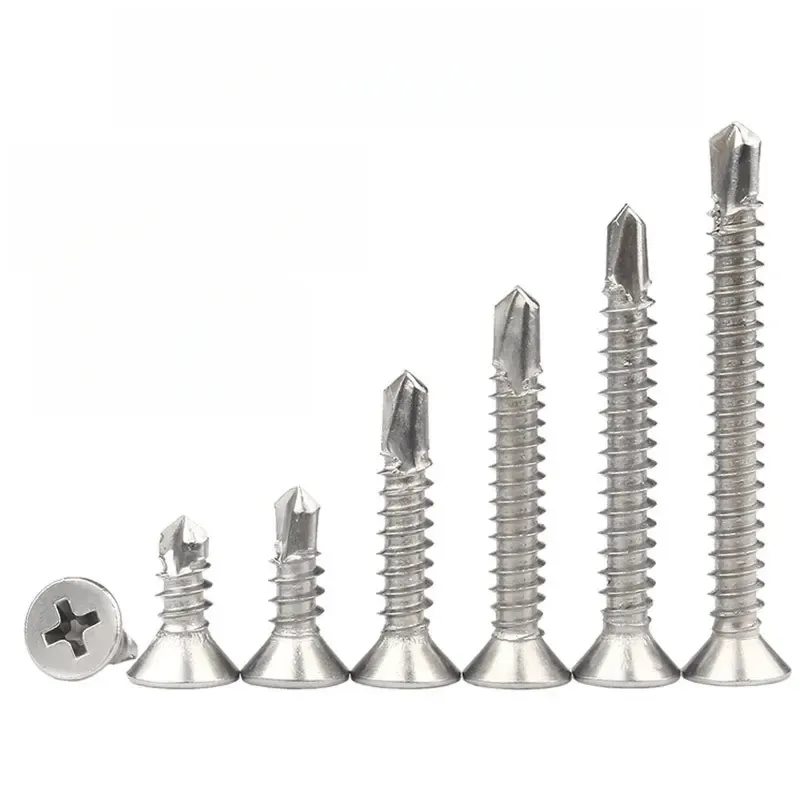
What Are the Advantages of Non-Standard Screws?
Depending on the application, customization may include:
- Special screw lengths or diameters
- Modified head shapes or drive configurations
- Customized shank lengths or stepped sections
- Specific thread dimensions or thread lengths
- Special materials, finishes, or dimensional tolerances
- Geometry designed for restricted installation spaces or automated assembly
For example, an electronic device may have limited space for a screw head, while an OEM appliance may require a specific shank length to fit an internal mounting structure. A standard screw may not meet these requirements without additional components or design changes. For these applications, custom non-standard screws can simplify assembly and reduce compensating parts — but the final design still needs to meet required strength, fit, and tolerances as specified on the approved drawing.
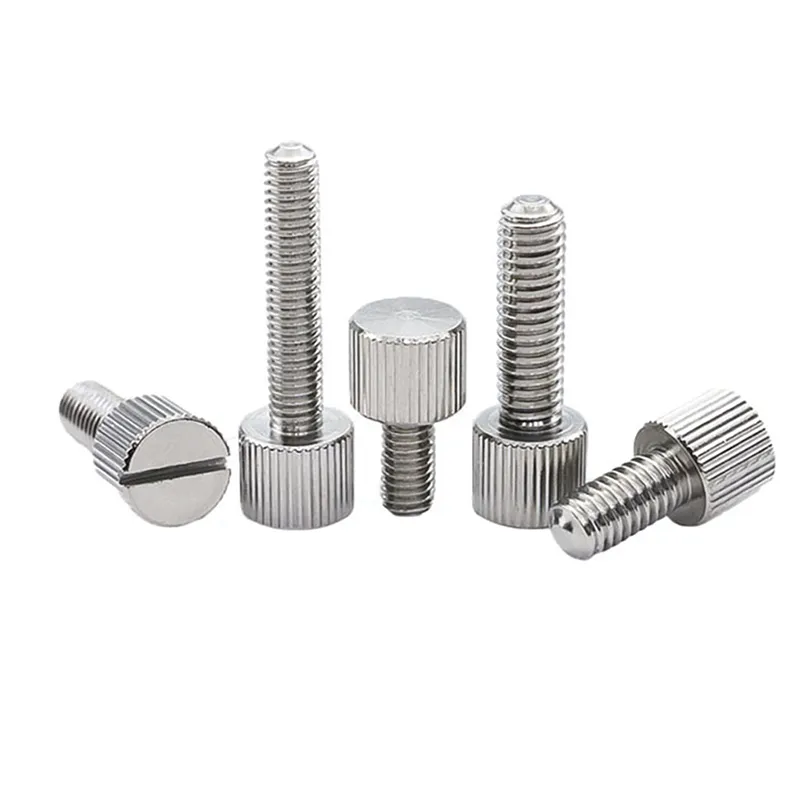
What Are the Disadvantages of Standard Screws?
Common challenges include:
- Standard lengths or diameters may not fit a specific assembly.
- Available head designs may interfere with nearby components.
- Standard thread specifications may not suit a particular mating part.
- Additional components may be needed to compensate for dimensional differences.
When engineers must modify the surrounding product to fit a standard screw, a custom design may be worthwhile — compare complete assembly requirements, not the fastener in isolation.
What Are the Disadvantages of Non-Standard Screws?
Engineering specifications: Buyers need to provide accurate drawings, samples, or detailed dimensional requirements. Incomplete specifications can lead to repeated clarification and sample revisions.
Tooling and sampling: Special head or shank geometries may require dedicated dies or other tooling. Samples may need to be manufactured and checked before mass production.
Lead time: Engineering review, tooling preparation, and sample approval can extend the initial development period.
Production cost: Small quantities may have a higher unit cost because tooling, setup, and inspection expenses are spread across fewer parts. The actual cost depends on design complexity, material, quantity, and manufacturing method.
Supplier capability: The manufacturer needs suitable forming and threading equipment, process controls, and inspection methods to achieve the specified design consistently.
Standard Screws or Non-Standard Screws: Which Should You Choose?


Standard Screws May Be Suitable If:
- An existing specification meets the dimensional requirements.
- No special head, shank, or thread design is needed.
- Fasteners must be sourced quickly from established suppliers.
- The project benefits from interchangeable parts and simpler inventory management.
Non-Standard Screws May Be Suitable If:
- Available standard dimensions do not fit the product.
- The assembly requires a special head or shank structure.
- A specific thread configuration is necessary.
- Installation space is limited.
- The screw must fit a dedicated fixture or automated assembly process.
- An OEM design requires a fastener made to a drawing or sample.
A practical approach is to check standard options first. If they cannot satisfy the essential design requirements, a custom solution can be evaluated before changing the product structure.
Standard vs Non-Standard Screws for OEM Projects
For OEM projects, the distinction affects more than the fastener itself. It can influence product design, assembly efficiency, quality control, and long-term supply.
A standard screw project often follows this route:
Specification Confirmation → Supplier Selection → Procurement → Incoming Inspection → Assembly
A non-standard screw project typically requires additional steps:
Drawing Review → Manufacturing Feasibility Assessment → Tooling Evaluation → Sample Production → Sample Approval → Mass Production → Inspection
Before approving a custom design, OEM buyers should consider dimensional tolerances, mating components, installation methods, order quantities, inspection criteria, and future demand.
Long-term supply also matters — the supplier must maintain consistent specifications across batches, especially for screws that cannot be replaced with off-the-shelf alternatives.
How to Order Non-Standard Screws?
To help a manufacturer assess a custom screw project, buyers should prepare as much technical information as possible.
| Information Required | Why It Matters | Typical Example |
| Engineering drawing or sample | Defines the required geometry | 2D drawing with tolerances, or physical sample |
| Dimensions | Establishes diameter, length, head size, shank details | e.g., M4 × 18 mm, head Ø8 mm |
| Thread specification | Identifies thread type, pitch, tolerances | e.g., M4 × 0.7, 6g tolerance |
| Material | Determines forming requirements and mechanical properties | Specify material grade and mechanical property requirements separately |
| Surface treatment | Defines corrosion protection and appearance | Zinc plating, black oxide, DACROMET |
| Tolerances | Establishes acceptable dimensional variation | Diameter ±0.02 mm, length ±0.1 mm |
| Order quantity | Helps evaluate tooling, setup, production planning | State annual demand and order quantity; confirm MOQ in the quotation |
| Application details | Clarifies assembly conditions and performance | Torque requirement, mating material, vibration |
A complete drawing is usually the best starting point for complex designs. If a drawing is unavailable, a physical sample and clear dimensional requirements can help the manufacturer evaluate feasibility.
Hongyuan Fastener manufactures standard and non-standard screws for industrial and OEM applications. With more than 20 years of screw manufacturing experience, around 150 cold heading machines, 100 thread rolling machines, and optical inspection capabilities, the company supports production based on established specifications, customer drawings, or samples.
For projects requiring customized screw dimensions, head designs, shank structures, or thread specifications, buyers can submit their drawings or samples to Hongyuan Fastener for a manufacturing feasibility assessment.
FAQs About Standard and Non-Standard Screws
1. What is the difference between standard and non-standard screws?
Standard screws follow established specifications, while non-standard screws are manufactured to customer drawings or samples. The main difference is design flexibility, not inherent quality.
2. Are non-standard screws more expensive?
They may cost more per unit due to tooling, setup, and sampling requirements. The actual cost depends on design complexity, order quantity, material, and production requirements.
3. When should I choose non-standard screws over standard screws?
Choose non-standard screws when standard dimensions cannot fit your assembly, special head or shank designs are required, or the fastener must meet specific OEM product requirements.

Put the guidance into your purchasing brief
From the technical question
to the part you need.
Use this article to identify questions for your order. Confirm the exact dimensions, material, quantity and inspection requirements with the team.
Discuss a requirement from this article →Custom screw and drawing references ↗ · Fastener enquiry checklist ↗