Customized Screws vs Standard Fasteners: Which One Is Right for Your Application?
See the consolidated OEM note: Standard vs non-standard / customized comparison now lives on non-standard vs standard screws. Use that page for the decision table and RFQ next step; then Get a Quote.
Why Fastener Selection Is Becoming Increasingly Important
Fasteners play a critical role in industrial manufacturing, serving as the foundation for structural integrity, safety, and overall product performance. Whether in machinery, automotive, or construction applications, the reliability of every assembly often depends on the quality and suitability of its fasteners.
However, as manufacturing continues to evolve toward higher precision, automation, and lightweight design, the limitations of traditional standard fasteners are becoming more apparent. In many cases, off-the-shelf components may no longer fully meet the demands of specialized applications.
This raises an important question: should businesses continue relying on standard fasteners, or consider customized solutions tailored to specific requirements?
In this article, we will explore the key differences between customized screws and standard fasteners, helping buyers, engineers, and OEM customers make more informed and strategic decisions.
What Are Standard Fasteners?
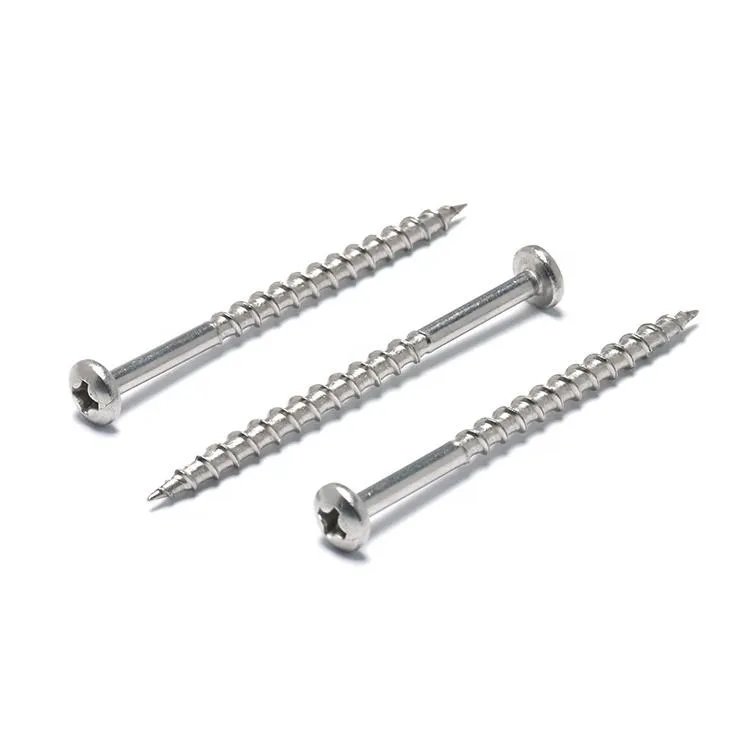
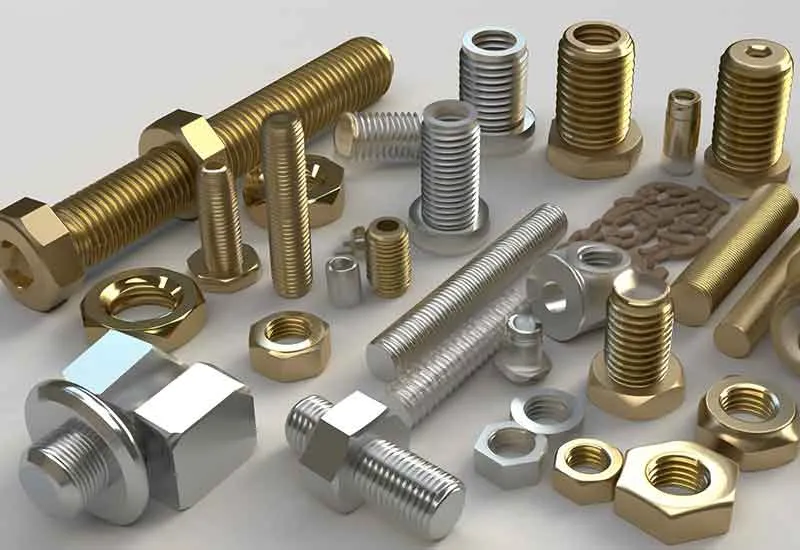
Standard fasteners are mass-produced fastening components manufactured according to internationally recognized specifications. These include common types such as machine screws, self-tapping screws, bolts, nuts, and washers, which are widely used across various industries.
Advantages of Standard Fasteners
- Lower cost due to mass production
- Readily available with abundant inventory
- Strong versatility across multiple applications
- Short lead times for faster procurement
- Ideal for high-volume, standardized production
Limitations of Standard Fasteners
- Limited design flexibility, unable to meet specialized structural requirements
- Restricted precision and performance in demanding conditions
- May become a performance bottleneck in high-end or critical applications
What Are Customized Screws?
Customized screws are fastening components specifically engineered to meet unique application requirements. Unlike standard fasteners, they are designed based on customer specifications, including dimensions, materials, surface treatments, and structural features.
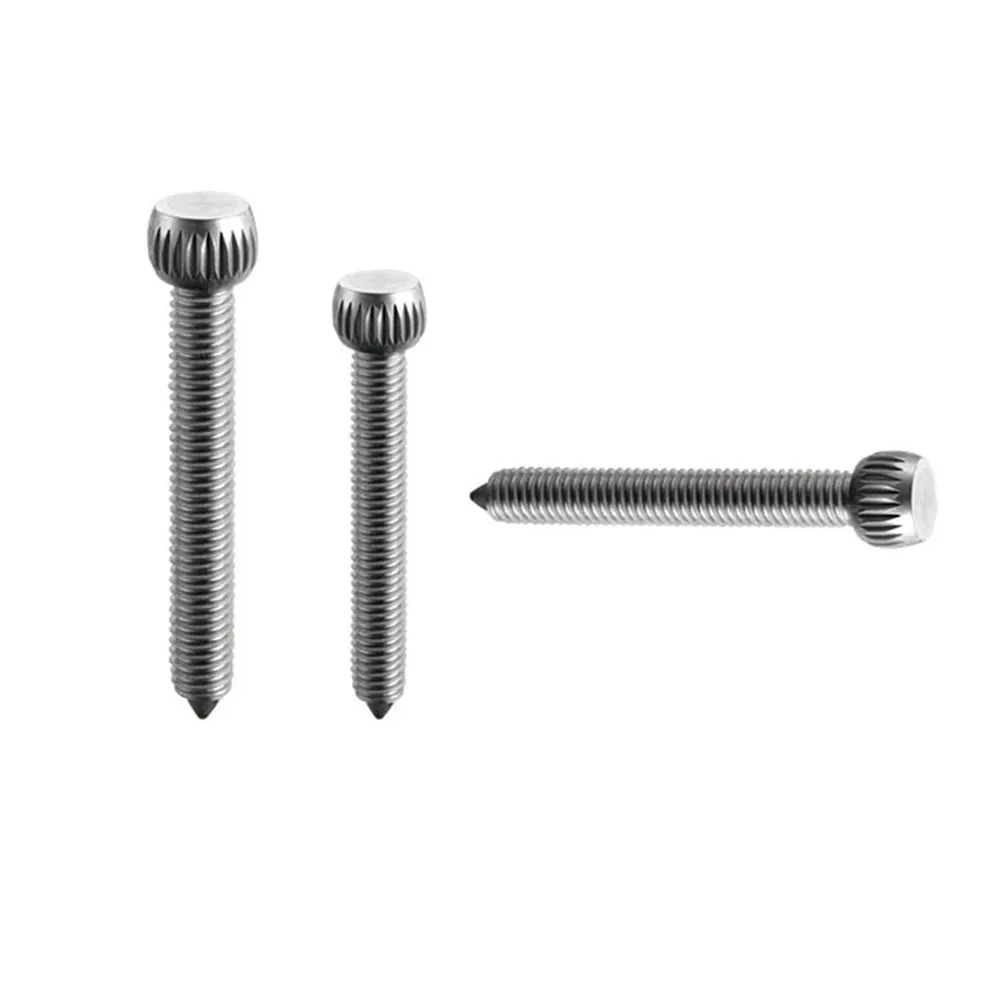
These screws fall under the category of non-standard fasteners, meaning they are not restricted to conventional norms such as ISO, DIN, or ANSI. Instead, their design is driven by performance demands, environmental conditions, and assembly requirements, making them highly application-specific.
Common Customization Options
- Special thread designs: such as fine threads for higher precision or asymmetric threads for improved load distribution
- Material selection: including stainless steel, titanium, alloy steel, or other engineered materials for strength, corrosion resistance, or weight reduction
- Surface treatments: such as zinc plating, Dacromet coating, or black oxide to enhance durability and environmental resistance
- Head design: customized head shapes or drive types to suit specific tools, space constraints, or torque requirements
Core Value of Customized Screws
- Precise application fit: engineered to match exact functional and structural needs
- Enhanced performance and reliability: improved strength, durability, and consistency under demanding conditions
- Reduced assembly and maintenance costs: optimized design can simplify installation, minimize errors, and extend service life
Customized Screws vs Standard Fasteners
Aspect
Customized Screws
Standard Fasteners
Performance
Higher strength, better corrosion resistance, and tighter tolerances (up to ±0.01 mm)
Suitable for general load and standard applications
Design Flexibility
Supports complex structures and specialized application requirements
Limited by standardized designs and specifications
Cost Analysis
Higher initial cost, but reduces failure rates and maintenance costs in the long run
Lower upfront cost, ideal for budget-sensitive projects
Lead Time & Supply Chain
Requires development and production lead time, but ensures stable long-term supply
Readily available from stock with short lead times
Automation Compatibility
Optimized for automated and robotic assembly, improving efficiency and consistency
May cause inefficiencies or inconsistencies in automated assembly processes
Application Scenarios: Which Industries Benefit More from Customized Screws?
Automotive Industry
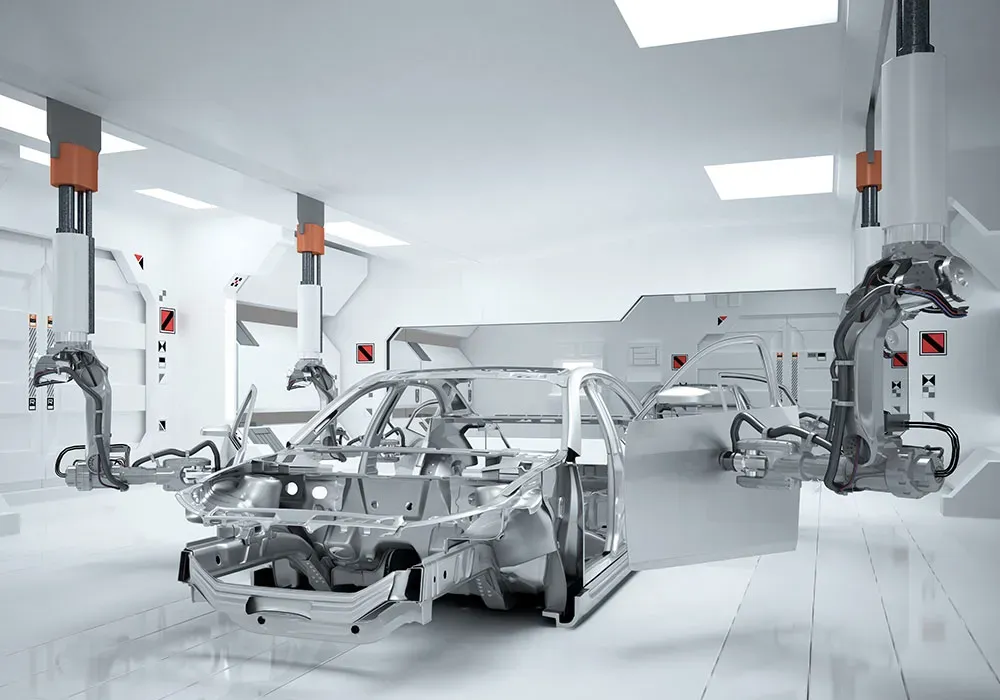
Customized screws are widely used in automotive manufacturing, where lightweight design and high strength are critical. Tailored fasteners help reduce vehicle weight while maintaining structural integrity, improving fuel efficiency and overall performance.
Electronics & Precision Devices
In electronics and precision equipment, components are becoming increasingly compact and complex. Customized screws enable miniaturization and high-precision assembly, ensuring reliable fastening in limited spaces without compromising product performance.
Aerospace
The aerospace industry demands fasteners that can withstand extreme temperatures, pressure variations, and vibration. Customized screws are engineered to meet strict standards for safety, durability, and reliability in these harsh environments.
EV & Renewable Energy
In sectors such as electric vehicles and renewable energy systems, fasteners must handle high loads, thermal stress, and long service life requirements. Customized screws are essential for battery systems, structural components, and energy equipment where performance and safety are critical.
How to Choose: Customized Screws or Standard Fasteners?
When to Choose Standard Fasteners
General-purpose products with no special performance requirements
Cost-sensitive projects where minimizing upfront expenses is a priority
Non-critical structural parts that do not significantly impact safety or performance
When to Choose Customized Screws
High-performance or safety-critical applications requiring superior strength and reliability
Special design needs or space constraints where standard sizes and shapes are insufficient
Automated production lines that demand consistent quality and precise specifications
Professional Advice
Evaluate from a Total Cost of Ownership (TCO) perspective, not just unit price
Consider long-term factors such as failure rates, maintenance, and assembly efficiency
Work with a professional manufacturer to optimize design and ensure the best engineering solution
Future Trends: The Development Direction of Customized Screws
Smart Manufacturing
With the rise of smart manufacturing, customized screws are increasingly integrated into automated and digital production systems. Precision, consistency, and compatibility with robotic assembly lines will become even more critical.
Sustainable Materials & Environmental Responsibility
There is a growing demand for eco-friendly materials and surface treatments, such as low-impact coatings and recyclable alloys. Manufacturers are focusing on reducing environmental impact while maintaining performance.
Growth of High-Precision & Micro Fasteners
As industries like electronics and medical devices continue to evolve, the need for ultra-precise and miniaturized fasteners is rapidly increasing. Tighter tolerances and advanced manufacturing processes will define future product standards.
Increasing Industry-Specific Customization
Different industries are demanding more tailored fastening solutions. Customized screws will move further toward application-driven design, offering higher specialization to meet unique engineering challenges.
Conclusion
Standard fasteners remain a practical choice for general applications and cost-sensitive projects. But they are no longer sufficient for advanced manufacturing environments.
Customized screws offer clear advantages in:
- Precision
- Efficiency
- Reliability
- Long-term cost savings
For businesses aiming to enhance product quality and production efficiency, investing in customized fastening solutions is a more competitive strategy.
Partner with a Trusted Customized Screw Manufacturer
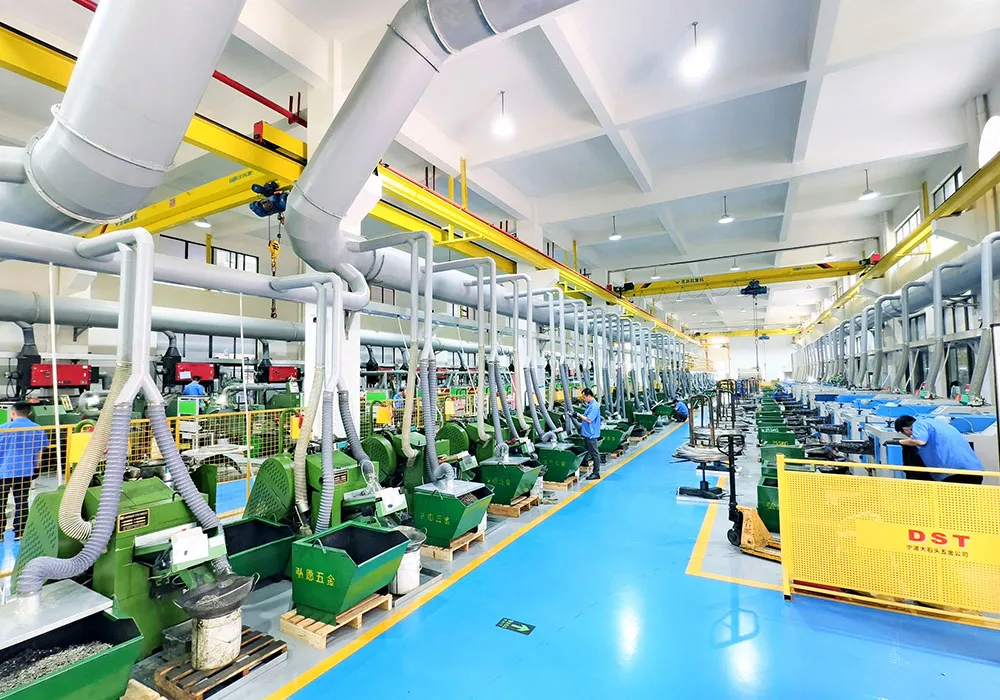
At HY Fastener, we provide high-performance customized screws and precision fasteners tailored to your exact needs. With strong engineering support and strict quality control, we help you optimize both performance and cost.
Contact us today to discuss your project and receive a fast, professional quotation.
Put the guidance into your purchasing brief
From the technical question
to the part you need.
Use this article to identify questions for your order. Confirm the exact dimensions, material, quantity and inspection requirements with the team.
Discuss a requirement from this article →Custom screw and drawing references ↗ · Fastener enquiry checklist ↗