 English
 Arabic
 Dutch
 French
 German
 Italian
 Portuguese
 Russian
 Spanish
Role of this page: One OEM note on when a catalog standard part is enough vs when geometry must be custom—not a third “pros & cons complete guide,” and not a second RFQ checklist. Pros/cons from older sister URLs are consolidated into the comparison table below. For the enquiry package itself, use the custom screw RFQ checklist. Alloy depth stays on stainless steel screws OEM selection. When the decision is “custom,” lock drawing/Rev or sample + critical dimensions, then Get a Quote.
Non-standard screws are customized fasteners designed and manufactured according to specific customer requirements rather than standard industry specifications. Unlike standard screws with fixed sizes and designs, non-standard screws can be customized in terms of dimensions, head types, thread designs, materials, and surface treatments.
Custom Screw RFQ: What to Include in Your Drawing
A useful custom screw enquiry identifies what differs from a standard fastener and how that difference will be inspected. Send a controlled drawing with its revision, then confirm the following points before comparing quotations.
- Drawing and units: provide the part number, drawing revision, dimension units and an annotated view of each critical feature. Mark any reference dimensions separately from acceptance requirements.
- Head and drive: specify the head diameter and height, bearing surface, recess or drive form, tool access and any mating-part clearance.
- Thread: state the thread system, diameter, pitch, handedness, threaded length and required tolerance or fit. Identify the mating thread; a sample alone may not establish its specification.
- Length and tolerances: show the length measurement datum, shoulder dimensions where applicable and the dimensions that control assembly. Agree how critical features will be measured.
- Material and finish: give the material designation and applicable specification, required mechanical properties, finish and service environment. Confirm which material or inspection documents are required rather than assuming every quotation includes them.
- Quantity and delivery: separate sample quantity, initial production quantity and expected repeat demand. Ask the supplier to identify tooling charges, minimum order quantity, sample lead time and production lead time in its offer.
How Should Buyers Approve a Custom Screw?
Review the supplier’s drawing interpretation before tooling or production. Agree the sample approval method and inspection plan, including dimensional checks, thread checks, material documentation and any application-specific tests. Record deviations and obtain approval of the drawing revision before a repeat order. A quotation or a visually matching sample does not by itself establish assembly performance.
Does a Non-Standard Screw Need a Custom Thread?
No. A screw may use a standard thread while its head, shoulder, length or another feature is custom. Identify the standard features and the departures separately so the supplier can evaluate the design and inspection requirements.
Can MOQ and Lead Time Be Confirmed Without a Drawing?
A preliminary discussion is possible, but the final offer depends on the specified geometry, material, process, quantity and inspection scope. Ask for a written quotation tied to the drawing revision and confirm what remains subject to sample review.
Explore custom screws and non-standard fasteners, compare the standard screw range, or send the drawing and requirements for review.
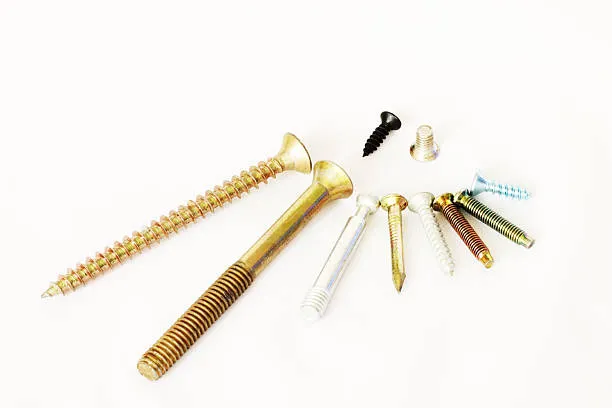
More OEM customers are choosing non-standard screws because they can better meet:
- Special structural requirements for unique product designs
- Precision assembly requirements for high-accuracy applications
- Special environmental conditions requiring specific materials or coatings
- Automation production compatibility for efficient and stable assembly processes
This guide will cover the key differences between standard and non-standard screws, common types of customized screws, manufacturing processes, purchasing considerations, and how to select a reliable supplier.
Standard vs non-standard (custom) — one comparison
| Decision lens | Standard / catalog | Non-standard / customized |
| Geometry | Published standard book + size | Drawing- or sample-controlled; special head, shank, thread runout, or under-head length |
| Lead path | Often faster when stocked | Quote needs Rev/sample; do not invent MOQ/lead here (pending) |
| Risk if wrong | Wrong size/grade still fails the joint | Ambiguous “make it like the sample” without dims → resubmit loops |
| RFQ package | Size + grade/finish may suffice | Full Hub package: custom screw RFQ checklist |
| When to prefer | Joint fits a named standard; dual-source needs interchangeable designation | Envelope, drive access, or mating surface forces a special |
Rule of thumb: If you can name a standard designation that controls fit, start standard. If the head, usable thread, or blank must leave the catalog envelope, go custom—and send the Hub checklist, not another “advantages” essay.
Non-Standard Screws vs Standard Screws: What’s the Difference?
| Comparison | Standard Screws | Non-Standard Screws |
| Design | Fixed specifications | Customized design based on requirements |
| Size | Standard sizes | Custom dimensions and tolerances |
| Head Type | Common head styles | Special head designs |
| Thread | Standard thread profiles | Custom thread requirements |
| Application | General fastening applications | Specific industrial applications |
| MOQ | Usually lower | Depends on customization requirements |
| Production | Mass production | Customized manufacturing process |
- Standard screws are suitable for common assembly needs where standard sizes and specifications are sufficient.
- Non-standard screws provide customized solutions for special engineering requirements, including unique structures, precision assembly, harsh environments, and automated production systems.
Why Do OEM Customers Prefer Non-Standard Screws?
OEM customers increasingly choose non-standard screws because customized fasteners can better match specific product designs, improve assembly efficiency, and enhance overall performance.
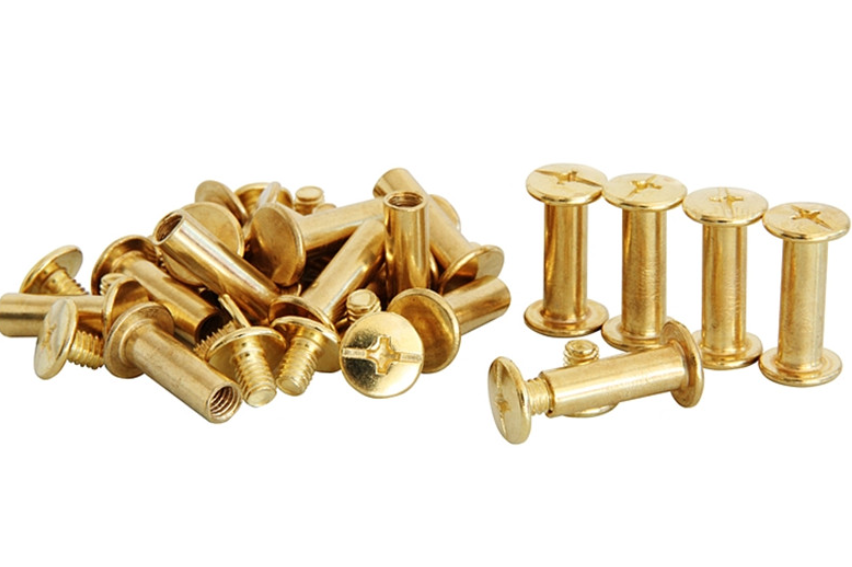
Meet Special Design Requirements
Non-standard screws help solve unique engineering challenges, including:
- Custom dimensions for specific applications
- Special structures for complex assemblies
- Limited installation spaces where standard screws cannot fit
Improve Assembly Efficiency
Customized screws can be designed to work better with modern production systems:
- Compatible with automated assembly equipment
- Reduce installation errors
- Improve production efficiency and consistency
Enhance Product Performance
Non-standard screws can be optimized for demanding applications through:
- Improved anti-loosening designs
- Enhanced corrosion resistance
- Special strength requirements for high-load conditions
Reduce Long-Term Costs
Although customized screws may require additional development, they can provide long-term benefits:
- Reduce maintenance frequency
- Extend equipment service life
- Improve product reliability and overall performance
Common Types of Non-Standard Screws
Non-standard screws can be customized in terms of materials, dimensions, head designs, thread structures, and performance requirements to meet different industrial applications.
Custom Stainless Steel Screws
Custom stainless steel screws are widely used where corrosion resistance and long service life are required.
Common materials include:
- 304 stainless steel screws – suitable for general industrial and outdoor applications
- 316 stainless steel screws – ideal for marine and chemical environments requiring higher corrosion resistance
Typical applications:
- Marine equipment
- Solar mounting systems
- Outdoor equipment
- Food processing machinery
Special Head Type Screws
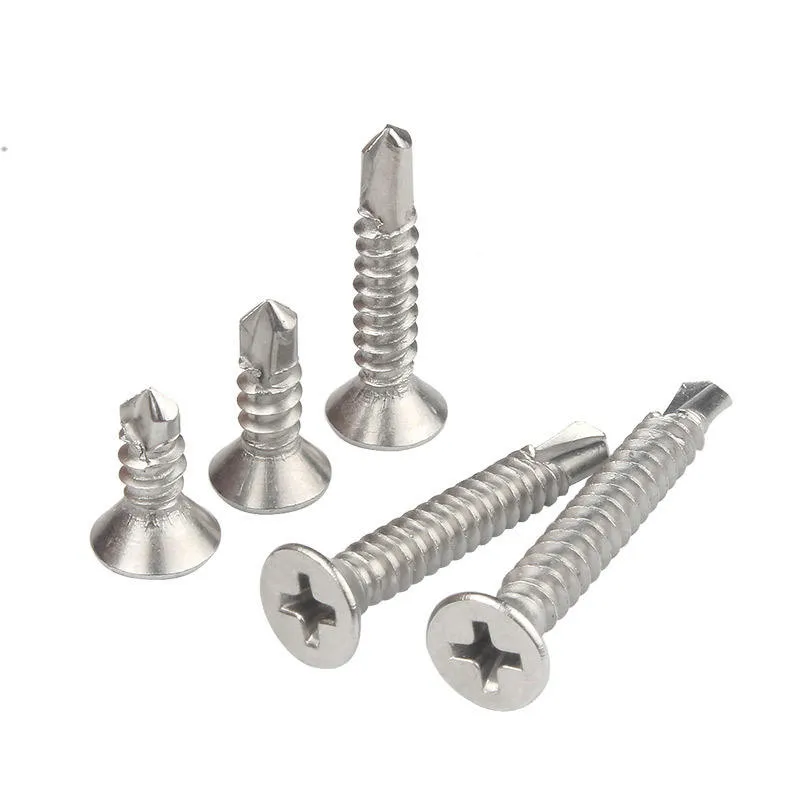
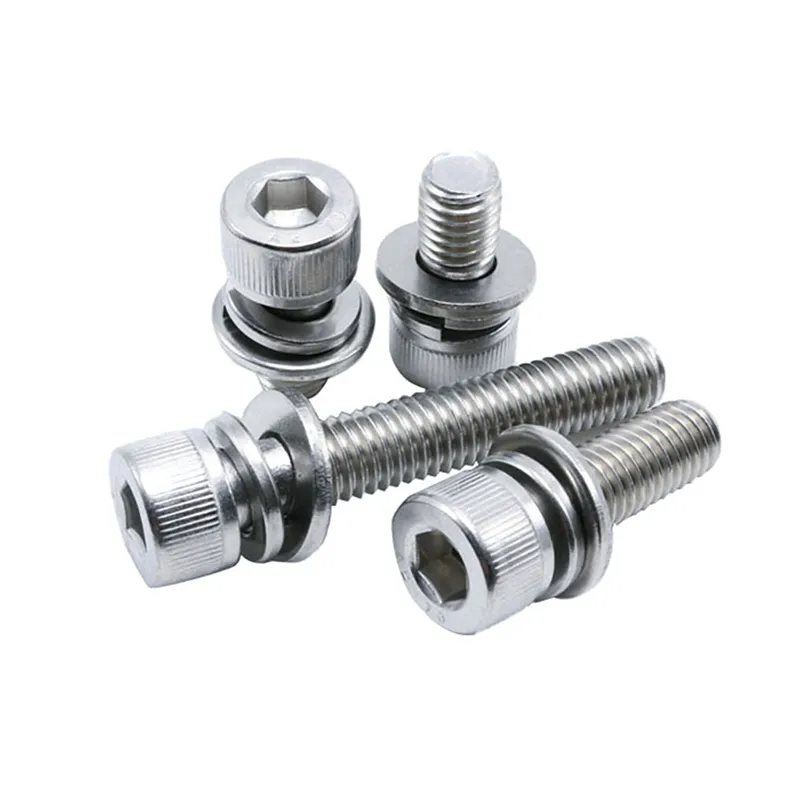
Common types include:
- Ultra low head screws
- Countersunk screws
- Hex flange head screws
- Security screws
- Button head screws
Key advantages:
- Fit limited installation spaces
- Provide better surface appearance
- Offer anti-tamper protection for special applications
Custom Thread Screws
Custom thread designs help improve fastening performance for different materials and assembly conditions.
Common options include:
- Special thread pitch
- Fine thread
- Coarse thread
- Left-hand thread
Typical applications:
- Automotive components
- Industrial machinery
- Precision equipment
Miniature Precision Screws
Miniature precision screws are designed for applications requiring small dimensions and high accuracy.
Features:
- Micro-size designs
- Tight dimensional tolerances
- High precision machining
Common applications:
- Electronics
- Medical devices
- Precision instruments
High-Strength Industrial Screws
High-strength non-standard screws are developed for heavy-duty applications requiring enhanced mechanical performance.
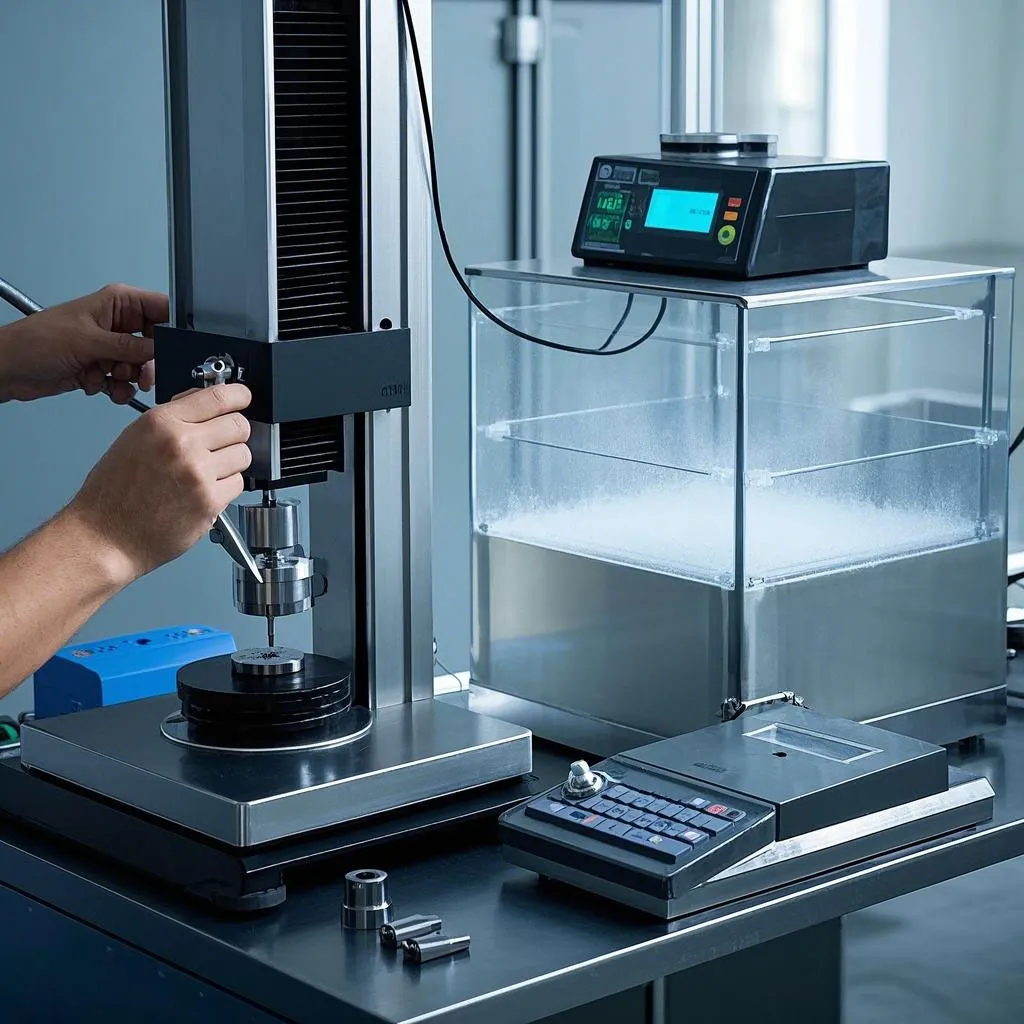
Features:
- High-strength materials
- Heat treatment processes
- Improved load-bearing capability
Typical applications:
- Heavy equipment
- Automotive systems
- Industrial machinery
Key Concerns When Purchasing Non-Standard Screws
When sourcing non-standard screws, industrial buyers usually focus on customization capability, quality consistency, delivery efficiency, and long-term supply reliability.
| Buyer Question | What Buyers Care About |
| What is the MOQ? | Whether the supplier supports trial orders and large-scale production |
| Is drawing-based customization available? | Whether the screws can meet specific design requirements |
| How long is the sampling lead time? | Product development efficiency and project schedule |
| Are small-batch orders supported? | Flexibility for new product testing and market validation |
| How is dimensional accuracy guaranteed? | Product consistency and assembly reliability |
| Can material reports be provided? | Material authenticity and quality assurance |
| How can procurement costs be controlled? | Long-term cooperation value and stable supply capability |
How to Choose a Reliable Non-Standard Screw Manufacturer?
Buyers should evaluate the supplier’s manufacturing capability, quality system, and industry experience.
OEM/ODM Capability
A reliable manufacturer should have strong customization capabilities, including:
- Drawing-based design support
- Custom screw development according to application requirements
- Flexible solutions for special dimensions, materials, and structures
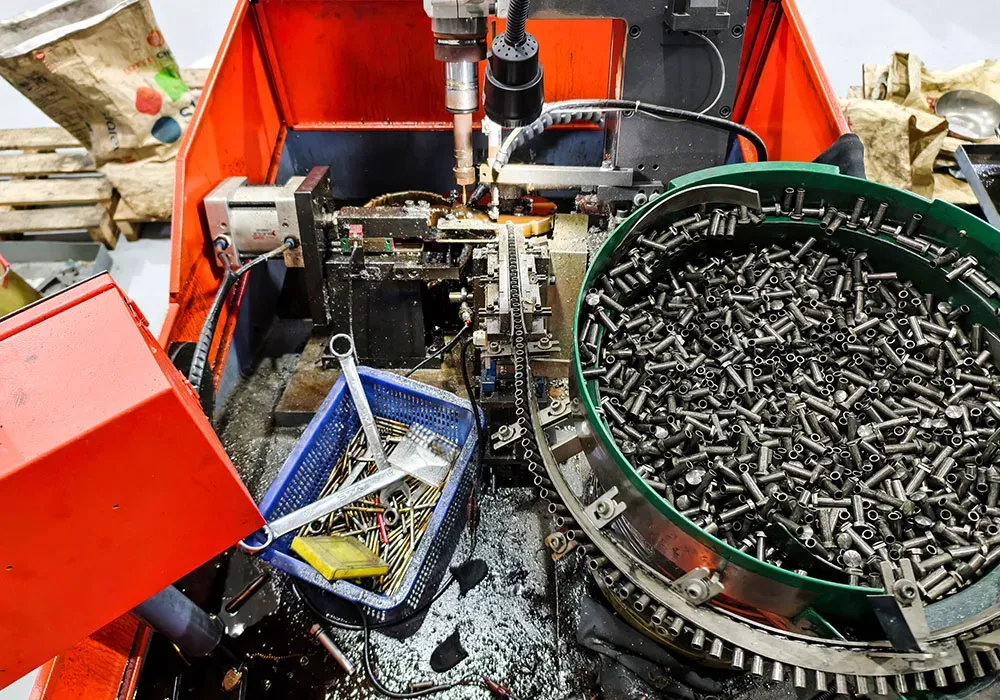
Precision Manufacturing Equipment
Advanced production equipment helps ensure stable quality and consistent performance, including:
- Cold heading machines for efficient screw forming
- CNC machining equipment for complex structures and high precision
- Thread rolling machines for strong and accurate threads
Quality Certification and Inspection System
A professional supplier should have a complete quality management system, such as:
- ISO 9001 quality management certification
- Material Test Reports (MTR/MTC)
- Dimensional and performance inspection records
Material Traceability
Reliable manufacturers should provide full material traceability, including:
- Verified raw material sources
- Batch management and production records
- Consistent material performance across orders
Export Experience
Global project experience ensures better cooperation, including:
- Compliance with international standards
- Familiarity with overseas customer requirements
- Reliable global logistics and delivery support
About Hongyuan (not a decision table)
Plant and capability facts belong on About Hongyuan—not as a second pros list on this OEM decision note.
Hongyuan Fastener provides customized non-standard screw solutions with:
- Experienced OEM/ODM manufacturing capabilities
- Advanced precision production equipment
- Strict quality control from material inspection to final delivery
- Stable raw material supply and batch consistency
- Support for global industrial projects with reliable delivery services
When OEM joints force a non-standard screw
Use custom geometry when any of these are true (then open the RFQ Hub—do not stop at this page):
- Envelope — Head height, diameter, or under-head length leaves the catalog envelope for the named family.
- Drive / tool access — Required drive or tool clearance is not available on the standard SKU (see overview head types vs drive types; button deep-dive: button head OEM guide).
- Usable thread — Shear needs unthreaded shank or a controlled thread length family (fully vs partially threaded).
- Material / finish combo — Specify the alloy and finish together. Confirm availability, chemical requirements and any corrosion-test acceptance records with the supplier.
- Sample-only legacy — The line runs on an approved sample with no published designation—still convert to dims + Rev before production quote.
Plant capacity narratives belong on About Hongyuan, not in this decision note.
Industry trends (downgraded — not the decision path)
Trend narratives are not RFQ inputs. Prefer the comparison table and Hub checklist above.
The market demand for non-standard screws continues to grow as industries require more customized and high-performance fastening solutions.
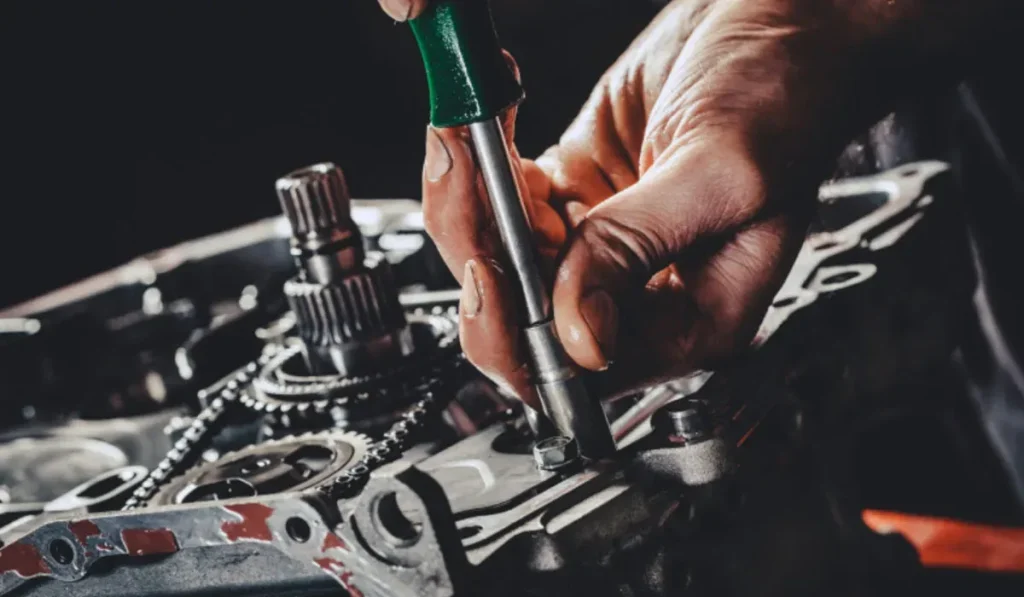
- EV industry growth drives demand for lightweight and precision fasteners
- Automation development increases the need for customized screws with higher accuracy
- Miniaturization trends require smaller and more precise fasteners
- Stainless steel applications continue to expand due to corrosion resistance and longer service life
- Stable supply chains become an important factor when buyers select long-term suppliers
FAQ
Is a non-standard screw the same as a customized screw?
In buyer language on this site, non-standard / customized both mean geometry or designation outside a plain catalog callout. Use one RFQ package either way—see the custom screw RFQ checklist.
Can I dual-source a custom screw like a standard M8?
Only if the drawing freezes interchangeable dims and acceptance. “Similar to sample” without Rev is not dual-source-ready.
Do I need a full strength class table on this page?
No. Named class/grade locks belong on the RFQ and on bolt grades OEM buyer guide; concepts stay on fastener strength guide.
Agree: decide custom vs standard, then RFQ once
If the joint fits a named standard, RFQ that designation + finish. If it does not, treat the part as custom: lock drawing/Rev or sample photo + critical dims on the custom screw RFQ checklist, then submit Get a Quote. Sisters: stainless steel screws OEM selection, screw & bolt size charts.
Conclusion
Non-standard screws help industries achieve better performance through customized designs, precise manufacturing, and application-specific solutions. Choosing a reliable supplier with strong OEM/ODM capability, quality control, and production experience is essential for long-term success.
With advanced manufacturing capabilities and strict quality management, Hongyuan Fastener provides reliable custom screw solutions for global industrial applications.
Contact Hongyuan Fastener today for customized fastening solutions.
You can also contact us directly via WeChat.