
Nyloc nuts resist unintended rotation through a nylon insert that deforms around the mating bolt threads, creating interference and friction. This resistance exists before the joint develops clamp force, helping reduce the risk of rotational loosening.
Their effectiveness depends on thread engagement, installation preload, material compatibility and service conditions. Selecting a nut by thread diameter alone is insufficient, particularly for industrial assemblies exposed to vibration, temperature changes or repeated maintenance.
How Does the Nylon Insert Create Locking Resistance?
A bolt initially passes through the metal threads of the nut. When its external threads reach the nylon insert, they deform the polymer locally, creating additional contact pressure and resistance to rotation.
This resistance is called prevailing torque.
Three parameters must be distinguished during installation:
| Parameter | Meaning | Unit |
| Prevailing torque | Torque required to rotate the nut without joint clamp force | N·m |
| Tightening torque | Torque applied during tightening | N·m |
| Preload | Axial tensile force developed in the bolt | N |
Nyloc nuts require additional rotational torque to overcome insert resistance. However, feeling resistance during installation does not mean that the required bolt preload has been achieved.
The installation procedure must account for friction, prevailing torque and the specified joint preload.
Internal Structure of Nyloc Nuts

A typical nylon insert lock nut consists of four principal features:
- Metal body: Provides the load-bearing structure and external wrenching surfaces.
- Internal threads: Engage the mating bolt and transmit axial loads.
- Nylon insert: Creates interference with the external bolt threads.
- Bearing face: Transfers compressive force to the mating surface or washer.
The nylon insert is retained within the upper section of the nut. During normal installation, the bolt enters from the bearing-face side, passes through the metal threads and then engages the insert.
The insert provides rotational resistance, while the metal threaded section carries the principal axial load.
What Specifications Should Buyers Check?
Nyloc nuts with the same nominal thread size may differ in height, wrenching dimensions, material properties and insert design.
Before approving a product for bulk purchasing, compare the following specifications:
| Specification | What to verify |
| Thread designation | Nominal diameter, pitch and thread system |
| Thread tolerance | Compatibility with the mating bolt |
| Width across flats | Wrench or socket clearance |
| Overall height | Available installation space |
| Insert geometry | Position and engagement requirements |
| Mechanical properties | Compatibility with bolt grade and joint loading |
| Material and finish | Corrosion resistance and friction conditions |
| Locking performance | Specified prevailing torque acceptance criteria |
For stainless steel fasteners, also consider the risk of thread galling. Any lubricant or surface treatment should be compatible with the specified tightening procedure.
Matching the thread designation establishes basic compatibility, but it does not establish equivalent locking performance or load capacity.
Nyloc Nuts vs. Hex Nuts vs. All-Metal Lock Nuts

The main difference between these three products is how they resist rotation and which service conditions their designs can accommodate.
| Feature | Standard Hex Nut | Nylon Insert Lock Nut | All-Metal Lock Nut |
| Locking mechanism | No integrated prevailing torque feature | Polymer insert interference | Metallic locking feature |
| Resistance before seating | Normally low | Present after insert engagement | Present after locking feature engagement |
| Temperature considerations | Material and finish | Metal body, finish and polymer insert | Metal body, finish and locking design |
| Installation | Conventional tightening | Account for prevailing torque | Account for prevailing torque |
| Reuse | Subject to inspection and assembly requirements | Subject to approved reuse criteria | Subject to approved reuse criteria |
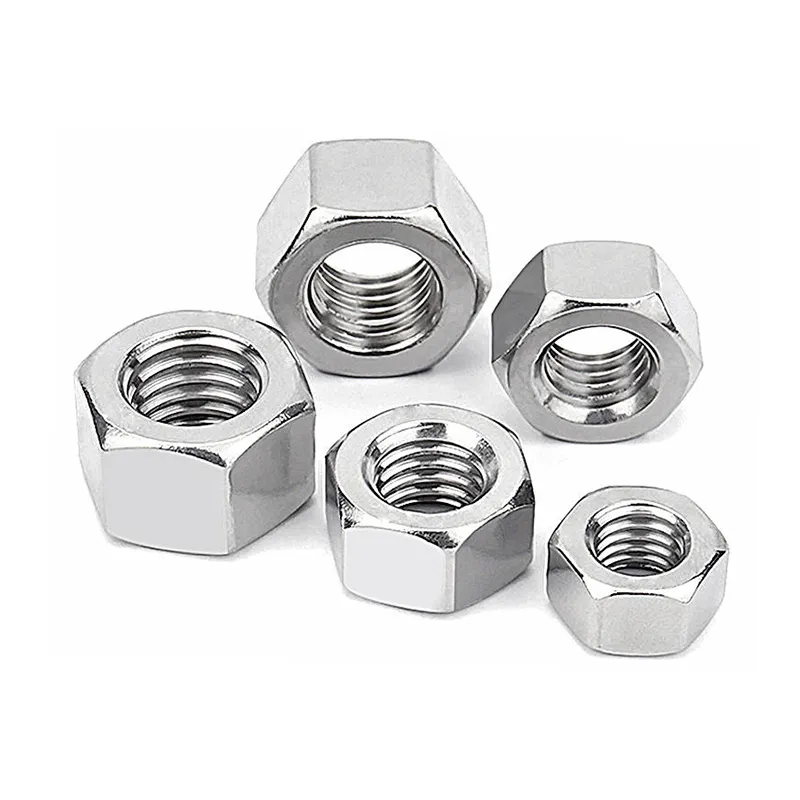
Conventional hex nuts are suitable where the joint design does not require an integrated prevailing torque feature.
Nyloc nuts offer an insert-based locking mechanism for assemblies where polymer compatibility can be established. All-metal designs may be considered where operating temperatures or chemical exposure make polymer inserts unsuitable.
Neither lock nut design eliminates the need for correct joint preload.
How Do Service Conditions Affect Nut Selection?
Operating temperature
The polymer insert introduces an additional temperature-related limitation. Excessive heat can change its mechanical properties and reduce locking resistance.
ISO 2320:2015 provides the following application temperature ranges for products conforming to that standard:
| Nut type | Application temperature range |
| Non-metallic insert prevailing torque nuts | −50°C to +120°C |
| All-metal prevailing torque nuts | −50°C to +150°C |
These ranges are specific to the referenced standard. They must not be treated as universal ratings for every lock nut.
For nyloc nuts made from stainless steel or supplied to a different specification, confirm the actual insert material and approved operating temperature with the supplier.
Chemical exposure
Oils, cleaning agents, solvents and process fluids can affect polymer properties or installation friction.
Check compatibility using the specified insert material, chemical concentration, operating temperature and exposure duration.
The corrosion resistance of the metal body does not establish the chemical resistance of the nylon insert.
Repeated maintenance
Installing and removing nyloc nuts can alter the insert geometry and reduce prevailing torque.
Repeated use should only be permitted when the applicable maintenance specification allows it and the nut continues to satisfy the required functional acceptance criteria.
For critical assemblies, follow the equipment manufacturer’s replacement requirements.
Frequently Asked Questions
Does nylon insert colour identify the nut specification?
No. Insert colour alone cannot reliably identify thread size, polymer grade, temperature rating or locking performance. Use the product specification and approved drawing.
How far should the bolt extend through the nut?
The full-form external threads of the bolt should engage the intended locking region of the insert.
Nyloc nuts must not rely on incomplete threads at the chamfered bolt tip to establish effective engagement. Required protrusion should follow the applicable assembly drawing, product specification or installation requirements.
How is prevailing torque verified?
ISO 2320:2015 describes functional testing for prevailing torque steel nuts within its defined scope, including testing associated with tightening torque and clamp force.
Its mechanical property requirements reference ISO 898-2. Therefore, compliance should not automatically be assumed for stainless steel lock nuts.
For other material specifications, establish the applicable test procedure and acceptance limits before production approval.
Specify Your Nylon Insert Lock Nut Requirements
For a reliable quotation, the purchasing specification should define both the nut geometry and the required locking performance.
Ruike Fasteners reviews nylon insert lock nut requirements against the intended mating components, material specifications and approved drawings.
When sourcing nyloc nuts, submit your thread designation, nut dimensions, material grade, mating bolt details, service temperature, prevailing torque requirements and order quantity.
Send Your Nylon Insert Lock Nut Specifications for product and quotation review.


