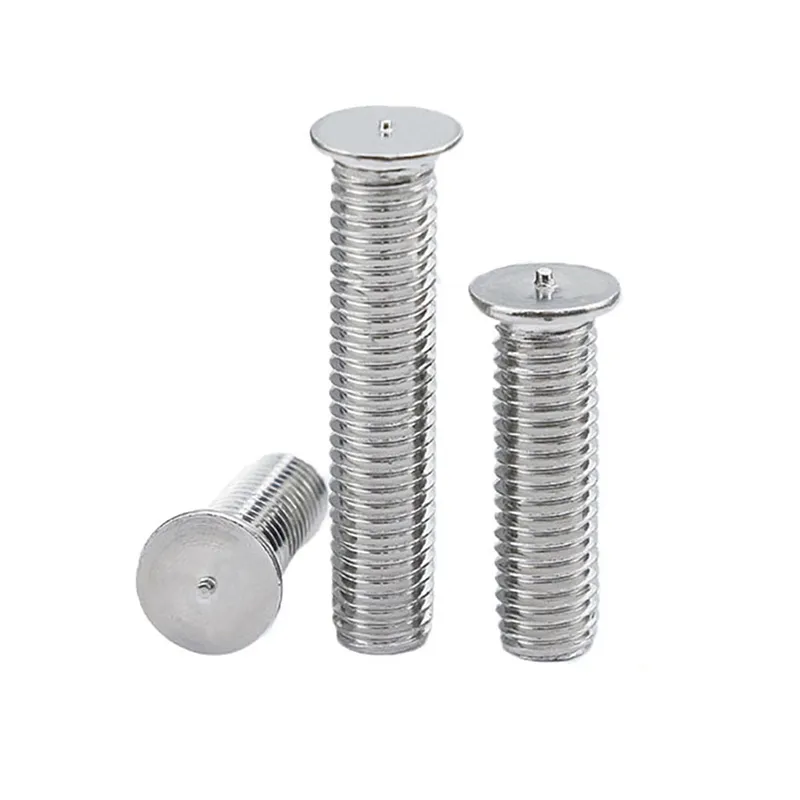
Weld Nut OEM RFQ Callouts
OEM buyers who only write “weld nut,” “projection nut,” or “spot weld nut” on sheet-metal BOMs often get dual quotes: one desk assumes a weld nut (projection or spot welded to the panel), another substitutes a cage nut, clinch nut, or rivet nut. This Ruike (Ningbo Hongyuan Precision Hardware Manufacturing Co., Ltd. / HY) guide locks weld nut OEM RFQ callouts in buyer English. It complements—not replaces—the sibling clinch nut OEM RFQ (press-in / self-clinch sheet retention), the rivet nut OEM RFQ (blind install), the self-clinching nut OEM RFQ, the threaded rod OEM RFQ, the stud bolt OEM RFQ, and the blind rivet OEM RFQ.
Plant context: About Us. Browse related hardware under nuts. Hub index: Guides. Industry context: Applications. General RFQ questions: FAQ.
What should an OEM RFQ freeze for a weld nut?
A weld-nut RFQ must freeze projection or spot-weld style, pilot hole, flange/pilot geometry, thread series, and material/finish—so buyers cannot silent-swap a cage nut, clinch nut, or rivet nut. Name “weld / projection weld nut”; attach PDF/STEP and open Get a Quote on one enquiry thread.
What a weld nut means on an HY RFQ
A weld nut is a nut intended to be permanently joined to a sheet or bracket by projection welding or spot welding, so the mating bolt can be driven from the accessible side. Buyers name weld style (projection vs spot), pilot-hole and flange/pilot geometry, thread series, and material/finish weldable to the host. It is not a cage nut that floats in a square hole, not a clinch / self-clinching nut that cold-forms into sheet, and not a rivet nut installed blind. Use this page when the RFQ language is “weld nut / projection weld nut / spot weld nut”; use the clinch nut OEM RFQ or self-clinching nut OEM RFQ when the drawing owns press-in retention without weld heat.
When OEM drawings should freeze weld-nut geometry
- Sheet-metal enclosures, brackets, or panels that need a permanent threaded anchor after projection or spot welding.
- BOMs that previously received cage nuts, clinch nuts, or rivet nuts when engineering needed a welded nut.
- Programs that mix “weld nut / flange nut” language with anonymous “nut for welding” or scrap-hex lines.
- Jobs that still need mating bolt engagement—see also how to measure screw length.
Weld nut vs cage / clinch — RFQ comparison
| Callout | Weld nut (this page) | Cage / clinch path |
|---|---|---|
| Buyer language | Weld / projection / spot weld nut | Cage nut · clinch / self-clinching nut |
| Retention | Projection or spot weld to host sheet | Cage float in square hole · press-in cold form |
| Key callouts | Weld style, pilot hole, flange/pilot geometry, thread, weldable material | Cage size / clinch hole + sheet thickness / grip |
| Typical mix-up | “Nut for welding” without weld style or pilot | Silent swap to cage, clinch, or rivet nut |
Callouts that keep weld-nut intent clear
- Family — weld nut / projection weld nut / spot weld nut—not “cage similar,” “clinch any,” or an unnamed flange nut.
- Weld style — projection vs spot; name electrode / weld schedule notes when the Rev owns them.
- Pilot / flange — pilot-hole diameter and flange or pilot geometry as on the drawing.
- Thread — series and class for the mating bolt as on the Rev.
- Material / finish — named and weldable to the host; finish does not invent weld style or pilot.
Cross-reference pitfalls
Do not treat weld nuts as drop-in cage nuts, clinch nuts, rivet nuts, or anonymous “flange nuts.” Do not assume a press-in clinch nut meets a projection-weld drawing, or that a spot-weld schedule fits a projection-weld flange without re-approval. Weld style, pilot hole, and flange/pilot geometry stay on the RFQ with the thread callout. For press-in retention see the clinch nut OEM RFQ and self-clinching nut OEM RFQ; for blind install see the rivet nut OEM RFQ.
What to send with the RFQ
Attach the controlling PDF/STEP, name weld / projection / spot weld nut intent, weld style, pilot hole, flange/pilot geometry, thread series, material/finish, qty band, and destination. Open Get a Quote so one enquiry thread owns the revision. Ruike will not invent ISO certificates, MOQ tables, or lead-time promises on this public page.
FAQ — weld nut OEM RFQ
What is a weld nut on an OEM RFQ?
It is a nut permanently joined to sheet by projection or spot welding, with named pilot/flange geometry and thread. Freeze weld style, pilot hole, flange/pilot, thread, and material—do not stop at “weld nut,” “projection nut,” or “nut for welding.”
How does a weld nut differ from a cage nut or clinch nut?
A weld nut freezes projection or spot weld retention to the host. A cage nut floats in a square hole; a clinch / self-clinching nut cold-forms into sheet without weld heat. Use the clinch nut OEM RFQ when the drawing owns press-in retention—do not duplicate the same RFQ on both pages.
Is a projection weld nut the same as a spot-weld flange nut?
Not by default. Projection weld nuts name projection geometry and weld schedule intent; spot-weld callouts still name electrode / spot intent. If the BOM says “cage” or “clinch,” follow those OEM RFQ pages instead.
How should pilot hole and flange geometry be called out?
State pilot-hole diameter, flange or pilot geometry, weld style (projection vs spot), thread series, and material/finish. For mating bolt engagement length, see how to measure screw length.
What should I send so Ruike can quote weld nuts?
Send PDF/STEP, weld style, pilot hole, flange/pilot geometry, thread series, material/finish, qty band, and destination via Get a Quote. Ruike does not invent ISO certs, MOQ, or lead times on your behalf.