 English
 Arabic
 Dutch
 French
 German
 Italian
 Portuguese
 Russian
 Spanish
Role: This page is the overview—head geometry vs drive system as two separate identification and RFQ cells. It is not a deep-dive selection guide for any single head family. For low-profile button head clearance, head-height checks, and OEM locks, use button head screws OEM selection guide. Do not treat this overview as a substitute for that deep-dive, and do not open separate “complete guides” for pan / truss / flat on this site without a new brief gate. When head + drive + thread are named, submit Get a Quote. Confirm head height and width across flats against the applicable product standard and approved drawing.
A supplier receives a request for a “socket screw,” but the production drawing shows a low-profile head and the assembly tool is sized for a different socket. The thread may match while the part still cannot be installed. This is why a complete screw description separates the head geometry, drive system and driver size.
The guide below helps OEM buyers identify those choices, assess substitutions and write a specification that purchasing, tooling and inspection teams can use.
1. Look at the side for the head, and the top for the drive
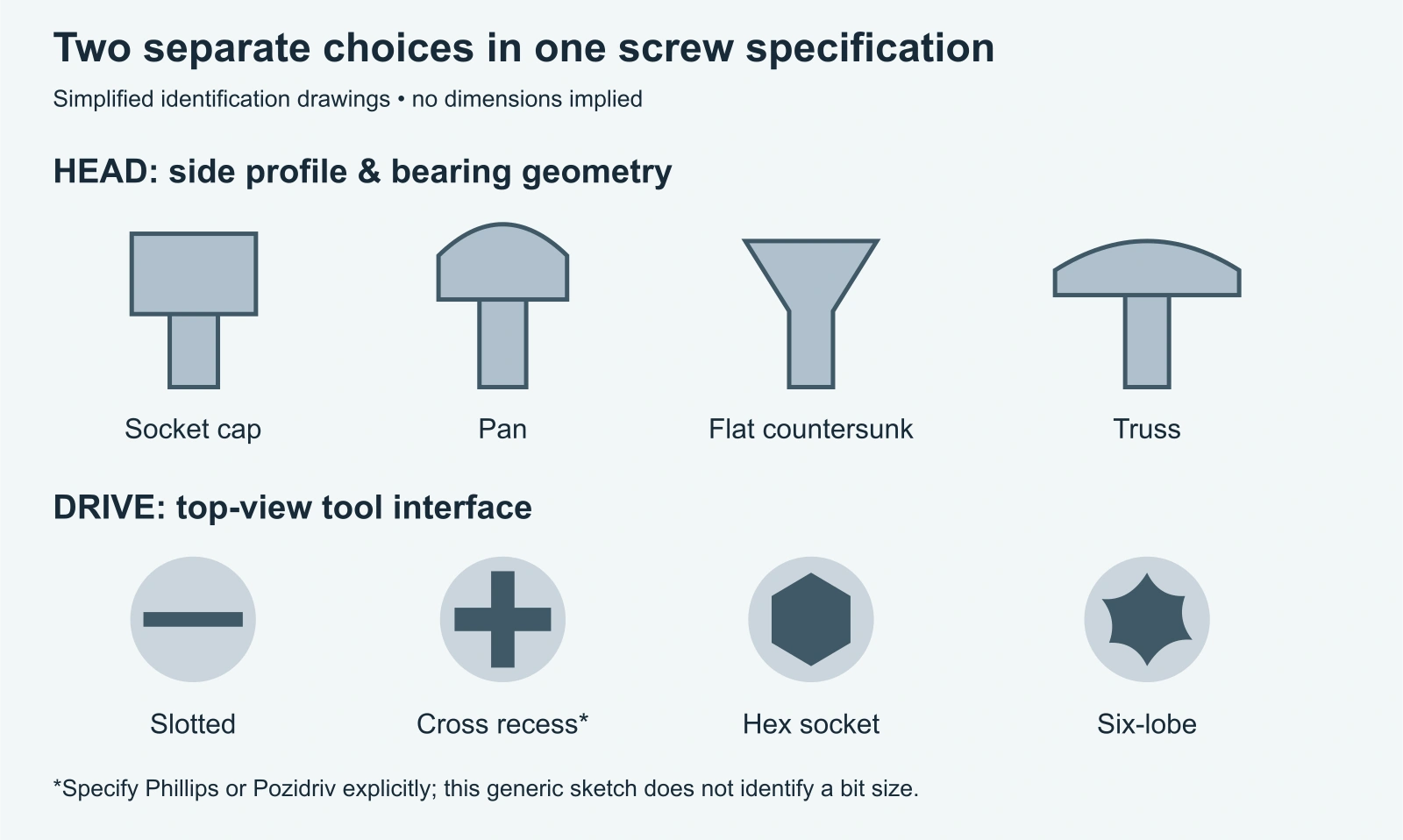
Start with two photographs when identifying a sample. A side view reveals the head’s height, profile and seating surface. A top view reveals the recess or external tool interface. Include scale or a drawing for dimensions; perspective photographs cannot reliably determine a countersink angle or socket size.
2. Match the head geometry to the joint
| Head form | Useful selection question | Specification to check |
|---|---|---|
| Pan | Is a raised bearing head acceptable? | Head diameter, height and access above the joint. |
| Socket cap | Is there room for the cylindrical head and axial tool access? | Head envelope; counterbore dimensions if recessed. |
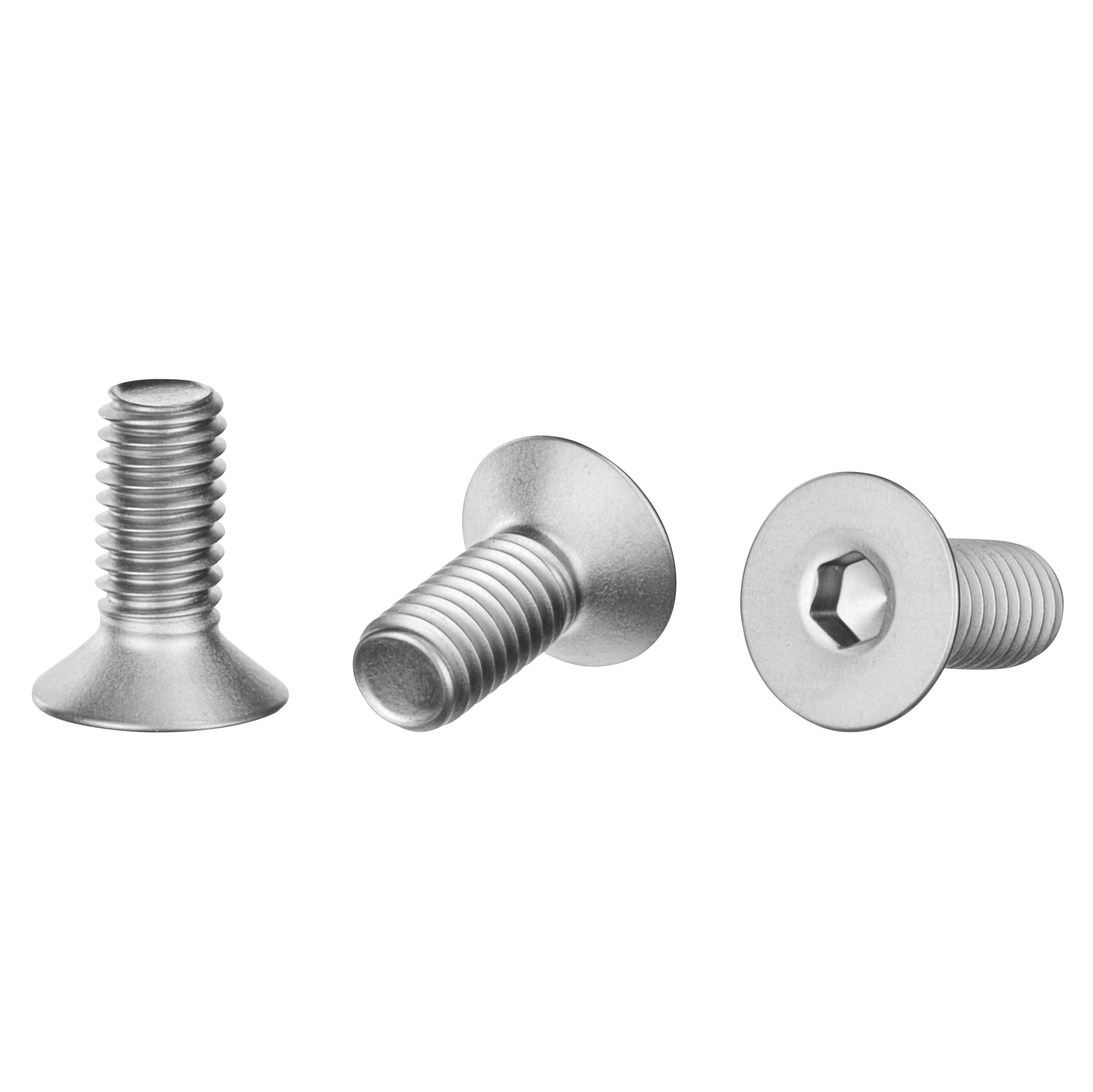
| Flat countersunk | Does the assembly require a flush seating arrangement? | Countersink angle, head diameter and mating seat. |
| Raised countersunk / oval | Can a dome remain above the countersunk seat? | Raised height and seating geometry. |
| Truss | Is a wider, relatively low head suitable for the bearing surface? | Head diameter, local contact and assembly clearance. |
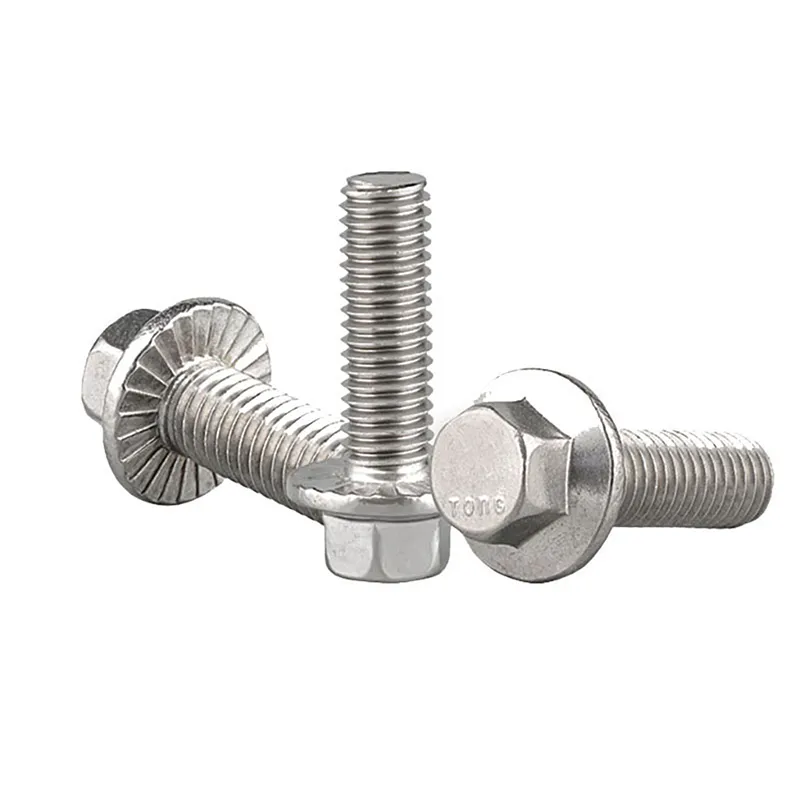
| Hex head | Can an external socket or wrench reach the head? | Across-flats size, head height and radial tool space. |
A socket cap head can be recessed in a suitable counterbore; that does not make it a countersunk screw. A flat countersunk head seats on an angled surface. Substituting one for the other requires a mating-geometry review, even if the thread and nominal length appear identical.
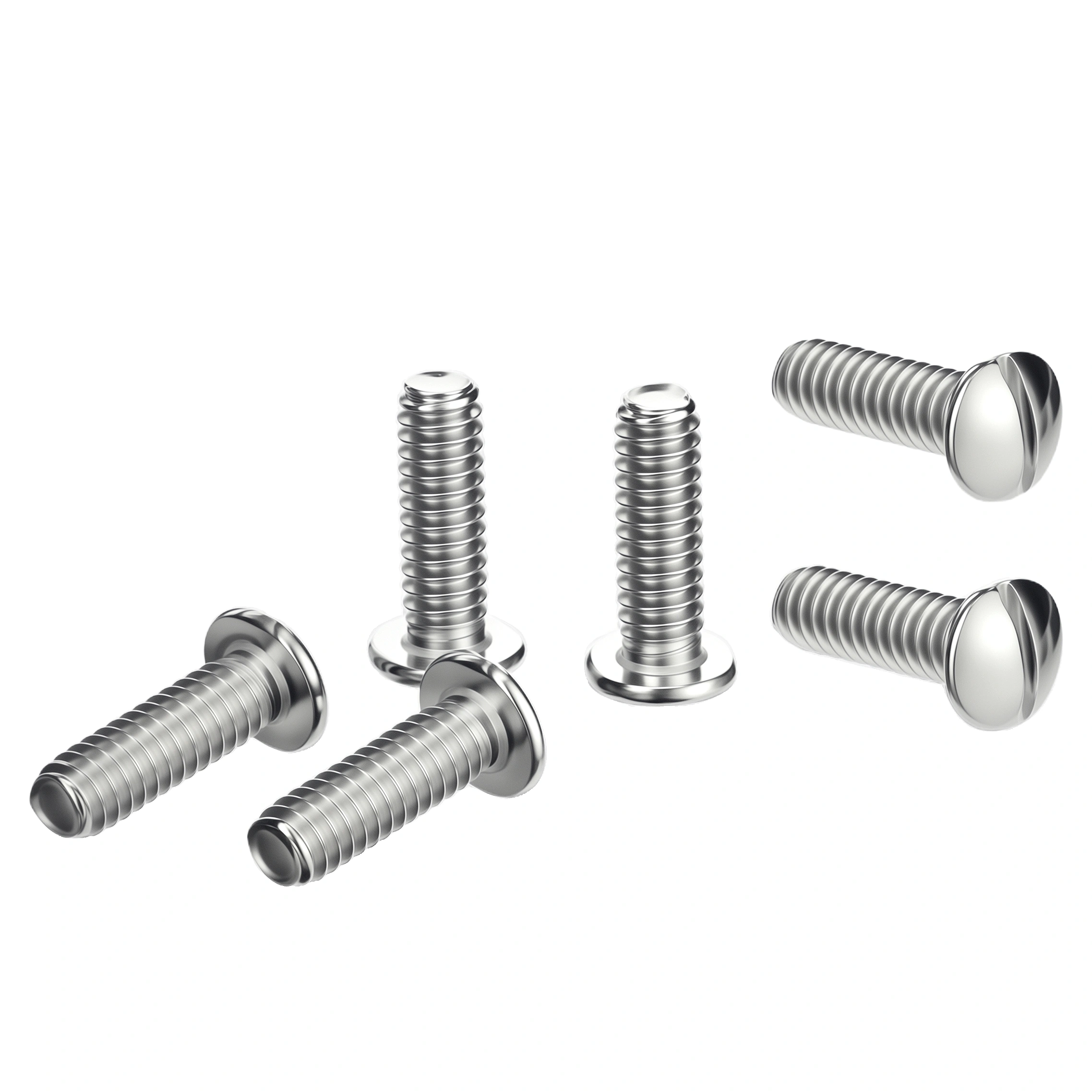
Overview vs button deep-dive. Use this page to keep head style and drive type from being collapsed into one vague label (external hex ≠ hex socket; button ≠ socket-cap). When the joint needs a button head low-profile envelope or a clearance / head-height check against an enclosure, leave the overview and lock fields on button head screws OEM selection guide. Other satellites stay single-action: countersink vs counterbore, set screw point selection. Then return with head + drive named and open Get a Quote.
3. Choose the drive system and its actual tool size
| Drive | Identification / tool | Practical check |
|---|---|---|
| Slotted | One straight slot; suitable flat blade | Blade width and thickness, access and risk of slipping. |
| Phillips | Cross recess; matched PH driver | Specify the Phillips system and the required driver size. |
| Pozidriv | Cross recess with additional identifying features; PZ driver | Do not assume a Phillips bit is equivalent. |
| Hex socket | Internal hexagonal recess; hex key or bit | Specified socket size, recess depth and engagement. |
| Six-lobe / hexalobular | Six-lobed internal interface; matching bit | System designation and bit size; special variants separately. |
| External hex | External hexagon; wrench or socket | Across-flats dimension and socket access. |
Accu’s Phillips/Pozidriv comparison explains why similar-looking cross recesses should not be treated as the same tool system. NBK’s hexalobular reference provides the technical identification context for six-lobe features. Tool selection must also account for the actual screw specification and installation process.
OEM RFQ module — lock these fields before you compare quotes
Do not collapse head and drive into one vague label. Lock both cells with material and thread, then quote from one brief.
Cover all seven information classes below. Leave a cell blank only when the drawing truly does not apply — do not invent MOQ, lead time, or salt-spray hours.
| RFQ field | What to lock | Notes |
|---|---|---|
| Material / alloy | Material / alloy family for the head+shank (carbon class or stainless family). | Required for same-scope quotes |
| Grade / property class | Property class / grade if strength-critical; else “per drawing”. | Named family; no hybrids |
| Tolerance or head/drive | Head style + drive type named apart (e.g. button head + hex socket). External hex ≠ hex socket. | Page-theme cell |
| Usable thread / length method | Thread designation + usable / full vs partial if relevant; length-method (under-head vs overall). | Avoid method mix-ups |
| Quantity | Target qty for this SKU / release; MOQ only if buyer already knows (buyer-filled — do not invent) | Pending plant MOQ cells |
| Destination port / ship-to | Ship-to city/port + Incoterms if known (buyer-filled) | Lead time calendar not published here |
| Drawing / Rev / sample | PDF/CAD Rev or approved sample photo on the same enquiry | Required for production RFQ |
When the cells that change fit and strength are filled, submit via Get a Quote and attach the drawing or sample on the same enquiry. Prefer a written desk path? Use Contact Us.
Related OEM next steps:
- Request a quote with head and drive callouts
- Socket head vs hex head on RFQ drawings
- DIN 912 / ISO 4762 socket-cap OEM RFQ
4. Check tool access before choosing a preferred drive
A drive that works on the bench may be inaccessible in the assembled product. A deep recess above the head may prevent the bit holder from approaching. A neighboring wall can block a wrench around an external hex head. An angled approach may reduce proper bit engagement.
Review the installed condition, including the tool body, extensions and fixturing. Specify the screw’s installation torque through the engineering process for the actual material, finish and joint. A drive shape alone does not establish a safe torque, clamp load, corrosion resistance or guaranteed resistance to loosening.
| Assembly condition | Start the review with | Then verify |
|---|---|---|
| Flush exterior surface | Flat countersunk head and compatible seat | Angle, plate thickness and acceptable seating position. |
| Little height above the part | Low-profile head options | Tool engagement, head strength requirements and surrounding clearance. |
| Recessed screw position | Axial-access drive options | Bit reach, head recess and tool holder diameter. |
| Side access available | External hex may be considered | Wrench swing or socket clearance. |
| Automated installation | Drive compatibility with the actual feeder and tool | Part orientation, feeding behavior and process validation. |
5. Review substitutions as an assembly change
Before replacing one screw with another, compare more than thread diameter. A taller head can strike a cover. A different bearing diameter changes contact with a washer or plate. A change from raised to countersunk head changes the length reference and the mating seat. A different drive can require new tooling or alter the inspection method.
- Compare head diameter, height, underside shape and mating-seat dimensions.
- Recheck length definition, thread pitch, threaded length and point form.
- Compare material, mechanical requirements and coating; a visual match is insufficient.
- Check the specified driver system, size and approach space.
- Approve a sample in the intended joint before changing the production reference.
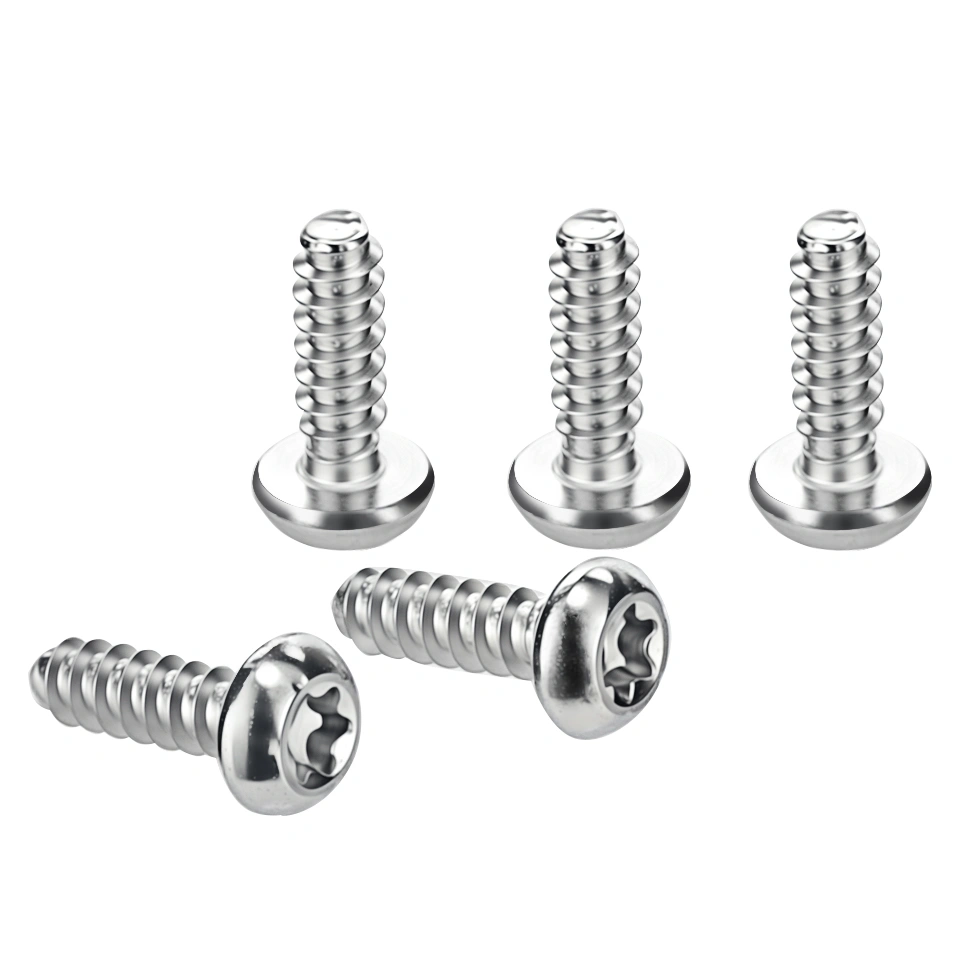
6. Put head, drive and thread into the same RFQ
Illustrative RFQ wording: “Pan-head machine screw, six-lobe drive with bit size specified on the drawing, M4 × 0.7, 20 mm below-head nominal length; material, finish, head dimensions and acceptance limits per drawing revision B.” This example is a writing template, not a stock item or a recommendation for a particular assembly.
Head style and drive are separate RFQ cells. Write both on the same brief (example: button head + hex socket), plus thread designation and length-method. Overview identification stays here; button OEM selection stays on button head screws OEM selection guide. Submit at Get a Quote.
For a special screw, attach the drawing and mark the features that matter to installation: head envelope, recess size and depth, bearing face, threaded length, tip and any washer arrangement. State the application and order quantity separately. That gives the supplier enough information to review manufacturability without guessing from a short product name.
Frequently asked questions
Is a socket head the same thing as a hex-socket drive?
No. Socket-head cap screw is a product form, while hex socket describes the internal drive. Other head forms can also have an internal hex socket.
Can I choose a bit size from the thread diameter?
Do not rely on diameter alone. Use the drive designation and the required size from the product standard or drawing, then confirm proper engagement with the actual part.
Are Phillips and Pozidriv interchangeable?
Specify and use the matching system. Similar appearance does not ensure correct engagement, and an ill-fitting bit can damage the recess.
Which screw head is best for OEM production?
The suitable choice depends on the seat, available space, tool access and joint requirements. There is no head shape that is best for every application.
Agree: name head and drive apart, deep-dive only when needed
Lock head style + drive + thread + length-method on one enquiry. Use this overview to identify; use button head screws OEM selection guide when the envelope is button. Then Get a Quote. Sister: hex bolts OEM selection.
Technical references
General guidance below is supported by these published references. The product drawing and order requirements govern the actual part.
- Accu — Screw Head Types
- Fastener SuperStore — Head Styles
- Fastener SuperStore — Drive Styles
- Accu — Phillips vs Pozidriv
- NBK — Hexalobular Drive Features
Related family callout: when the parent is untapped sheet/plastic vs a pre-tapped hole, freeze self-tapping vs machine screw OEM RFQ on the RFQ line.
Related two-piece clamp: when both faces need finished heads, freeze Chicago screw OEM RFQ callouts (barrel + male) including head styles each side.
OEM buyer decisions — before you RFQ
Are head type and drive type the same RFQ field?
No. Head style is geometry (button, pan, hex, countersunk, etc.). Drive is the tool interface (Phillips, Torx, hex socket, external hex, etc.). Write both on the same brief—example: button head + hex socket. External hex is not the same as hex socket.
We only know “hex screw” from a photo—can Hongyuan quote from that?
Not as a production RFQ. Photos are discovery aids. Name head style, drive, thread designation, length method, material/grade, and attach a drawing or approved sample. Photo-only labels create scope drift between suppliers.
When should we leave this overview for a deeper head-family guide?
When the joint needs a low-profile button envelope or a clearance / head-height check against an enclosure, use the button-head OEM selection path after you can name head + drive. This overview stays the identification page—not a substitute deep-dive for every head family.
What length method belongs with head selection?
State under-head vs overall with the length number. Countersunk families often use overall length; hex and button commonly use under-head—confirm against your drawing, then keep one method on the RFQ.
How do we turn head/drive locks into an enquiry?
Put head + drive + thread + length-method + material/grade on one brief, attach the drawing, and submit Get a Quote. Desk clarifications can start via Contact Us, but production scope still needs the form fields.
Ready to lock the fields above? Submit a drawing-based brief via Get a Quote.
Next step — drawing-based OEM enquiry
Overview identification done—name head + drive + thread on the enquiry.
- Get a Quote — preferred RFQ form for drawings / Rev / sample photos (production path).
- Contact Us — desk path for clarification before the formal RFQ.
Do not send bare “high strength / SS / standard screw” labels without the seven-field locks above. Hongyuan quotes from buyer-named fields + drawing scope — not from catalogue guesswork.