 English
 Arabic
 Dutch
 French
 German
 Italian
 Portuguese
 Russian
 Spanish
When choosing fastening solutions, many manufacturers face a common challenge: how to create a reliable connection when only one side of the assembly is accessible?
Blind Rivets provide an efficient solution by allowing one-side installation while creating a permanent and secure connection. They are widely used in sheet metal, automotive, electronics, and industrial applications.
However, selecting the right blind rivet requires more than matching the size. Factors such as rivet type, material, grip range, and strength requirements all affect fastening performance.
This guide explains how blind rivets work, their common types, and how to choose the right blind rivet manufacturer for your application.
What Are Blind Rivets?
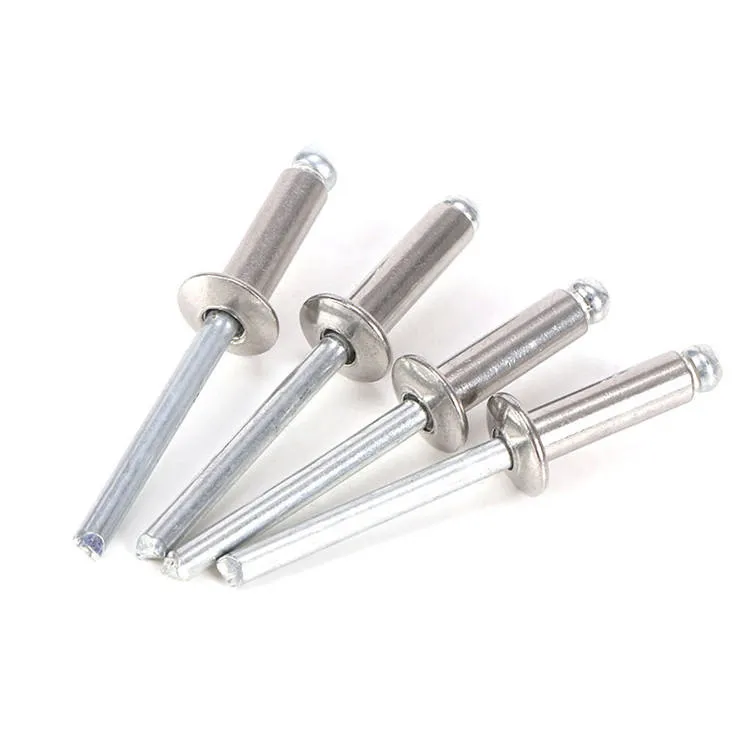
A blind Rivet is a mechanical fastener designed to join two or more components when access is available from only one side of the assembly. This makes them particularly suitable for enclosed structures, sheet metal assemblies, and areas where the rear side cannot be reached.
A standard blind rivet consists of two main components:
- Rivet Body – The tubular part inserted into the prepared hole
- Mandrel – The internal pin pulled during installation
How Do Blind Rivets Work?
The working principle of blind rivets is based on controlled deformation.
For a conventional breakstem blind rivet, the installation process includes:
- The blind rivet is inserted into a pre-drilled hole.
- The specified setting tool pulls the mandrel relative to the rivet body.
- The rivet body expands behind the material.
- The deformed rivet body clamps the joint, and the mandrel breaks at its designed break point.
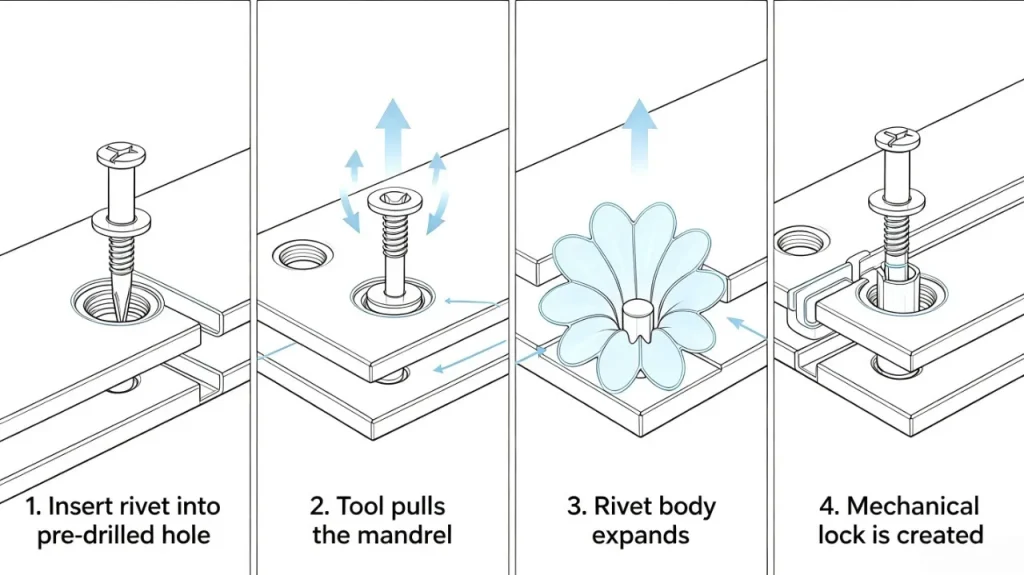
After installation, the rivet provides a secure connection without requiring access to the opposite side of the assembly.
This feature makes blind rivets especially valuable for applications such as:
- Closed structures
- Thin sheet metal components
- Equipment housings
- High-volume manufacturing processes
Compared with traditional fastening methods, blind rivets can improve assembly efficiency and reduce installation time.
Types of Blind Rivets
Different applications require different blind rivet designs. Choosing the correct type depends on connection requirements, material thickness, and environmental conditions.
Type
Features
Common Applications
Open-End Blind Rivets
General-purpose design, economical, widely used
Sheet metal fabrication, general assembly
Closed-End Blind Rivets
Better sealing performance, reduces moisture entry
Electronics, outdoor equipment
Multi-Grip Blind Rivets
Wider grip range, suitable for different material thicknesses
Mixed thickness assemblies
Structural Blind Rivets
High tensile and shear strength, improved load capacity
Heavy equipment, automotive, industrial structures
Large Flange Blind Rivets
Larger bearing area, protects softer materials
Thin sheets, plastic components
Among these types, open-end blind rivets are the most common choice for standard applications because they offer a good balance between performance and cost.
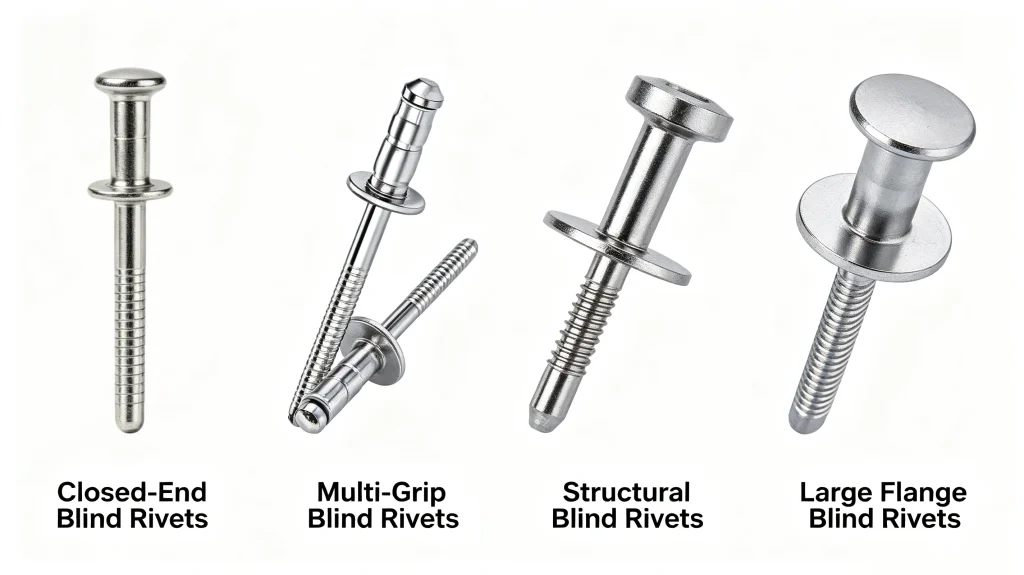
For applications requiring greater load capacity, compare the specified tensile and shear ratings of the exact structural blind rivet with the joint requirements. Rivet test values do not by themselves establish the capacity of the joined materials or the complete assembly; validate the actual application.
Common Blind Rivet Materials
Material
Characteristics
Applications
Aluminum Blind Rivets
Lightweight, corrosion resistant, easy installation
Electronics, lightweight structures
Carbon Steel Blind Rivets
High strength, cost-effective
General industrial applications
Stainless Steel Blind Rivets
Excellent corrosion resistance and durability
Outdoor, marine, harsh environments
Copper Blind Rivets
Good electrical conductivity
Electrical applications
For example, aluminum blind rivets are commonly used when weight reduction is important, while stainless steel blind rivets are preferred for applications exposed to moisture or corrosive conditions.
Material compatibility should also be considered. Using unsuitable combinations of metals may increase the risk of corrosion and reduce connection reliability.
Blind Rivets vs. Pop Rivets: Are They the Same?
Many buyers search for pop rivets when looking for blind rivets. In most cases, these two terms refer to the same type of fastening product.
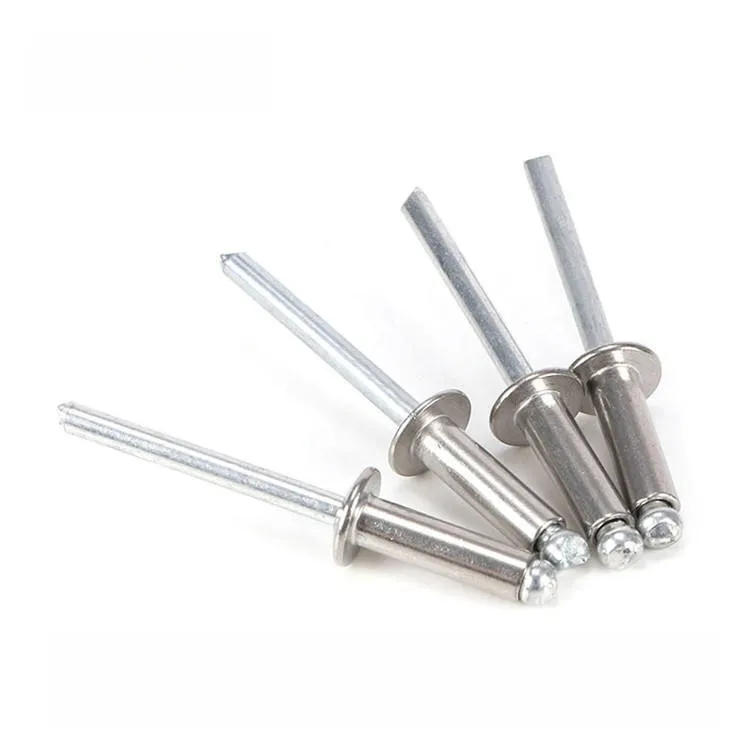
“Pop rivet” was originally a popular brand-related term, while “blind rivet” is the industry term used by manufacturers and engineers.
Both describe a rivet that can be installed from one side using a tool that pulls the mandrel and expands the rivet body.
For industrial purchasing, the term blind rivet is generally preferred because it covers a wider range of designs, including structural blind rivets, closed-end blind rivets, and multi-grip blind rivets.
How to Choose the Right Blind Rivets?
Selecting the right blind rivet requires evaluating more than just size. Buyers should consider several important factors before placing an order.
Grip Range and Size
The grip range determines the total thickness of materials that the rivet can securely join.
Before selection, buyers should confirm:
- Material thickness
- Hole diameter
- Required rivet length
Choosing an incorrect grip range may cause insufficient expansion, weak fastening performance, or installation problems.
Material Selection
The working environment plays an important role in material selection.
For example:
- Indoor applications may use aluminum or carbon steel blind rivets.
- Outdoor environments: specify exposure conditions, rivet-body and mandrel materials, and compatibility with the joined materials. Confirm the exact product against manufacturer guidance; the label stainless steel alone does not establish suitability.
- High-load applications may require stronger steel-based solutions.
The correct material helps improve durability and reduce maintenance requirements.
Strength Requirements
Different applications have different load requirements. Important factors include tensile strength and shear strength.
For the following applications, select the exact rivet using product-specific performance data and validate the complete joint rather than relying on the label “structural”:
- Heavy loads
- Continuous vibration
- Higher safety requirements
Application Environment
Environmental conditions can influence fastener performance.
Buyers should consider factors such as:
- Moisture exposure
- Temperature changes
- Chemical contact
- Outdoor installation
Selecting the correct rivet design and material ensures better long-term reliability.
How to Choose a Reliable Blind Rivet Manufacturer?
For OEM buyers and distributors, choosing the right blind rivet manufacturer means looking beyond product price. Production capability, quality control, and customization support are key factors for long-term cooperation.
At Hongyuan Fastener, strict quality management runs through the entire manufacturing process, including material inspection, dimensional checks, and final product testing. The company also supports OEM requirements such as custom sizes, special materials, and drawing-based production.
With reliable manufacturing capability and engineering experience, Hongyuan Fastener provides consistent blind rivet solutions for global customers.
Choosing the Right Blind Rivet Solution
Blind Rivets provide a practical fastening solution for applications where only one side of the assembly is accessible. Their flexibility in design, material, and strength options makes them suitable for various industrial applications.
Choosing the right blind rivet depends on factors such as rivet type, grip range, material, and working environment. With reliable manufacturing capability and quality control, Hongyuan Fastener helps customers achieve stable and consistent fastening performance.