For plastic water-purifier housings, specify point style, pilot diameter or boss ID, engagement length, head clearance, and how you will judge strip-out—before you RFQ a generic “self-tapping screw.” Housing plastics, boss design, and wet-area material rules change the joint. This guide lists the fields that keep quotes comparable. Industry page: Water purification fasteners. Product family: Self-tapping screws.
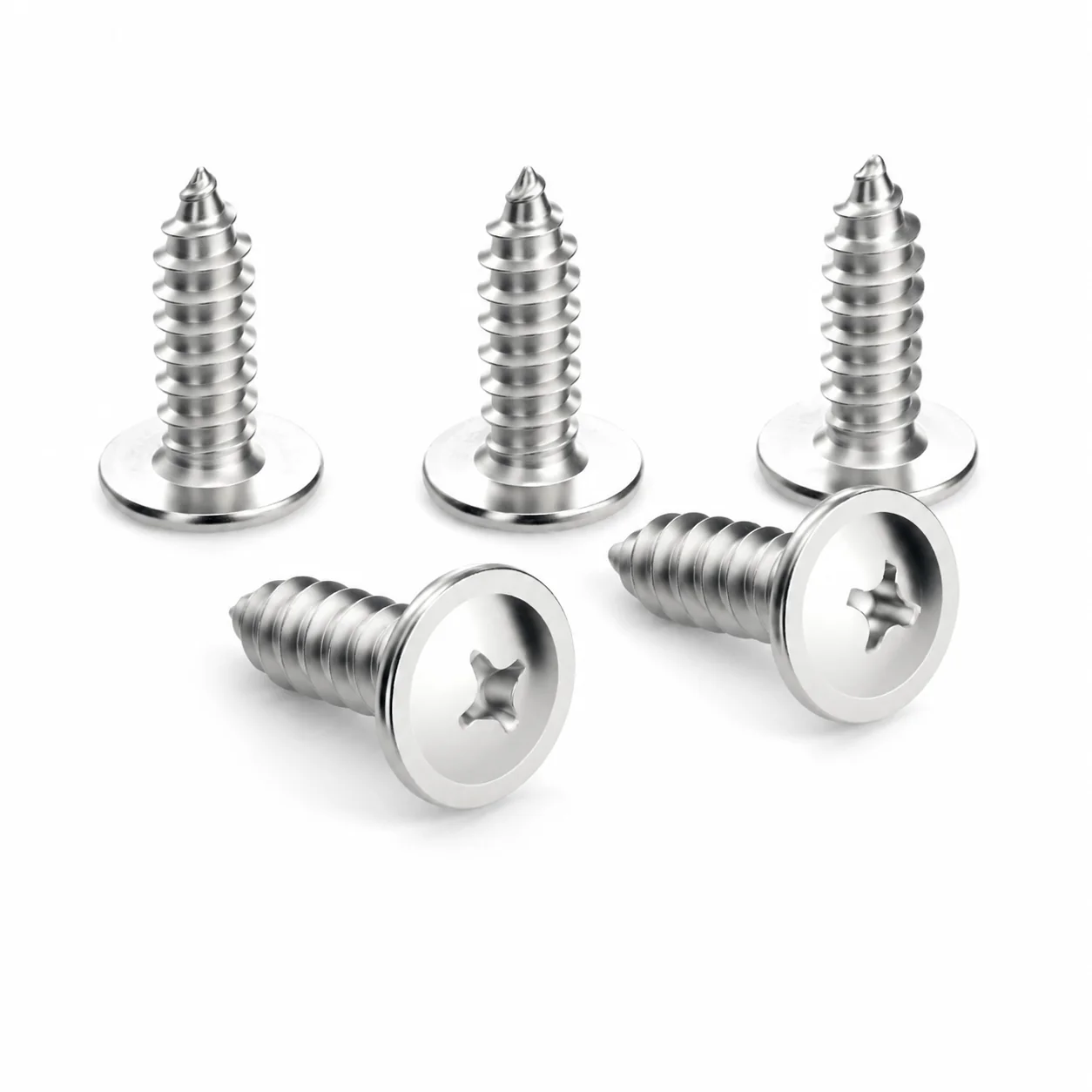
Plastic bosses are not sheet-metal holes
Thread-forming and thread-cutting self-tappers behave differently in ABS, PP, PC blends, and glass-filled resins. A point that works in thin steel may crack a tall plastic boss or generate chips that migrate into a wet module. State resin family (even if only as “per BOM”) and whether the boss is molded blind or through.
Decision table: point and pilot
| Situation | Prefer to clarify on RFQ | Failure to watch |
|---|---|---|
| Thin plastic wall, crack-sensitive | Pilot size, lower forming torque, controlled speed | Boss crack at root |
| Tall boss, repeated service access | Engagement length, reuse policy, insert alternative | Strip-out on second assembly |
| Near wetted path | Material/finish compatible with your fluid and standards | Assuming any stainless is “food safe” without your spec |
| Visible consumer face | Head style + drive that your line can seat cosmetically | Cam-out marks on cover |
Step 1 — Size the pilot and engagement together
Pilot diameter and screw major diameter set forming stress. Engagement length sets pull-out and strip resistance. Changing only length while keeping a tight pilot can raise install torque without improving clamp. Record both on the drawing or process sheet.
Illustrative strip screening (illustrative numbers, not a Ruike catalog rating)
Boss ID pilot 2.5 mm, screw major ~3.5 mm, engagement 8 mm in a brittle resin may show high forming torque and crack risk; opening the pilot or switching to a plastic-optimized thread forming profile may lower peak torque. Run first-article torque-to-strip and torque-to-seat on your resin lot. Catalog “recommended hole” charts are starting points for your trial, not plant law.
Step 2 — Specify wet-area compliance requirements
Do not invent NSF or potable-water certifications in the RFQ or blog excerpt. If your product requires a listed polymer or metal system, put that requirement on your controlled documents. Fastener material still needs grade and finish callouts when corrosion or staining matters near fittings.
Step 3 — Head envelope for filter covers
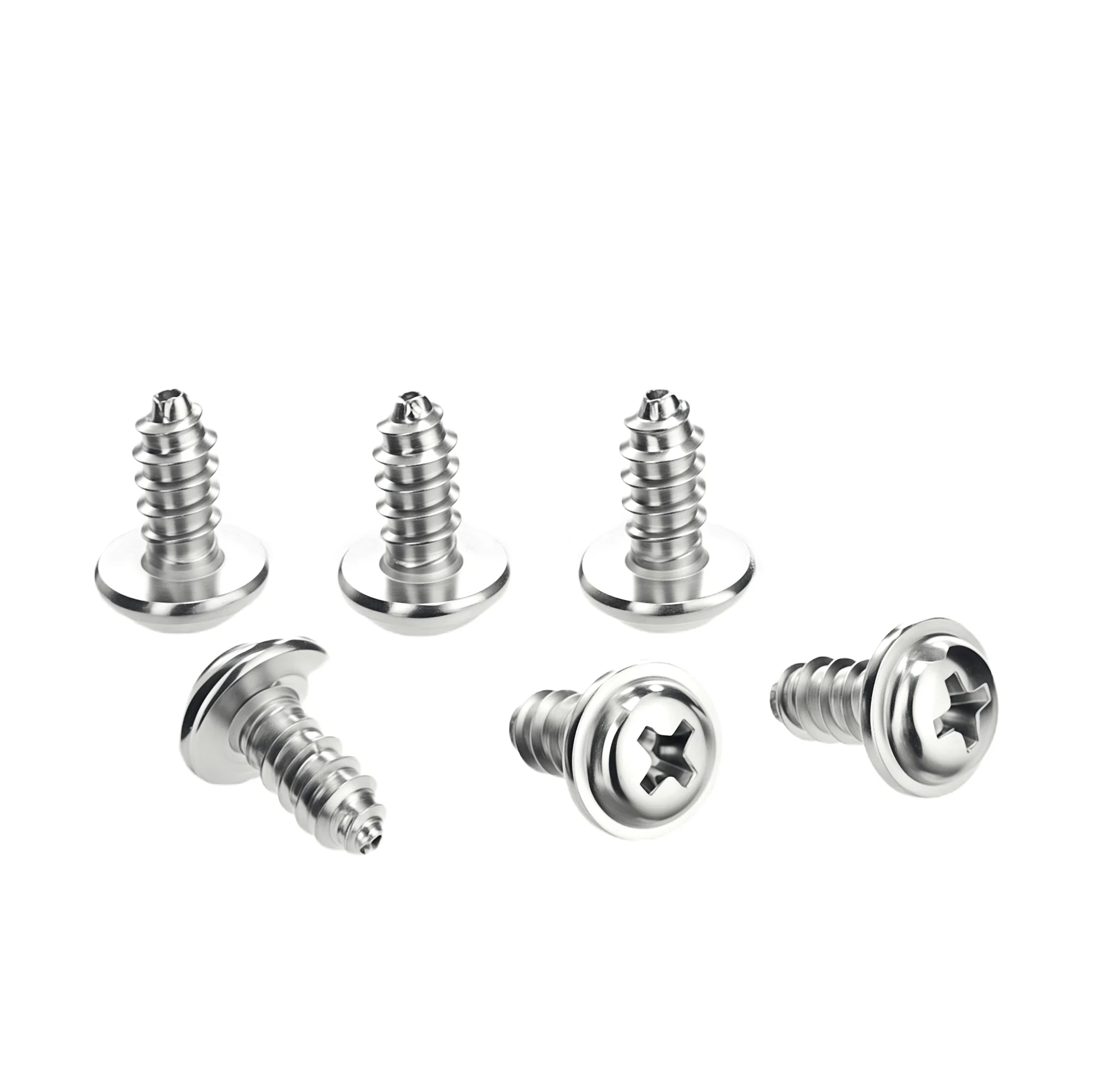
Low-profile or pan heads are common on consumer covers. Confirm driver access and that the head does not interfere with labels, RO tubing clips, or ultrasonic weld beads. Washer heads can spread load on soft covers but change stack height.
RFQ fields
| Field | Why |
|---|---|
| Point / thread-forming vs cutting | Chip and crack risk |
| Pilot / boss ID | Install torque |
| Engagement length | Strip and pull-out |
| Resin / boss design note | Joint family |
| Material + finish | Wet-area compatibility per your docs |
| Drive + head | Line tooling and cosmetics |
| Qty + sample path | Normal quoting |
FAQ
Can I reuse self-tappers in plastic bosses indefinitely?
Often no. Many plastic joints are limited-reuse. If service requires many cycles, consider inserts and machine screws.
Is every stainless self-tapper safe for drinking-water contact?
Not automatically. Follow the material and listing rules your product certification owns.
Can a general guide provide a strip-out torque for my assembly?
No fixed public strip chart. Provide your resin and boss data for application discussion.
Should I always pick the longest screw for more strength?
No. Excess length can bottom, jack the cover, or crack the boss floor.
Discuss your drawing with Ruike
Send your drawing, mating-part details, quantity and required inspection records to shizhanhao6@gmail.com. WhatsApp: +65 98695891. WeChat: Ethan1. Get a Quote · Water purification fasteners.