Before you RFQ “marine stainless,” write the grade (commonly 304/A2 vs 316/A4), finish, any isolation from dissimilar metals, and the exposure you actually expect—splash, continuous wet, coastal air, or enclosed cabin. The phrase marine stainless is not a material specification. After this guide you can decide what belongs on the print and what still needs your corrosion engineer. Industry page: Marine fasteners.
Grade is necessary but not sufficient
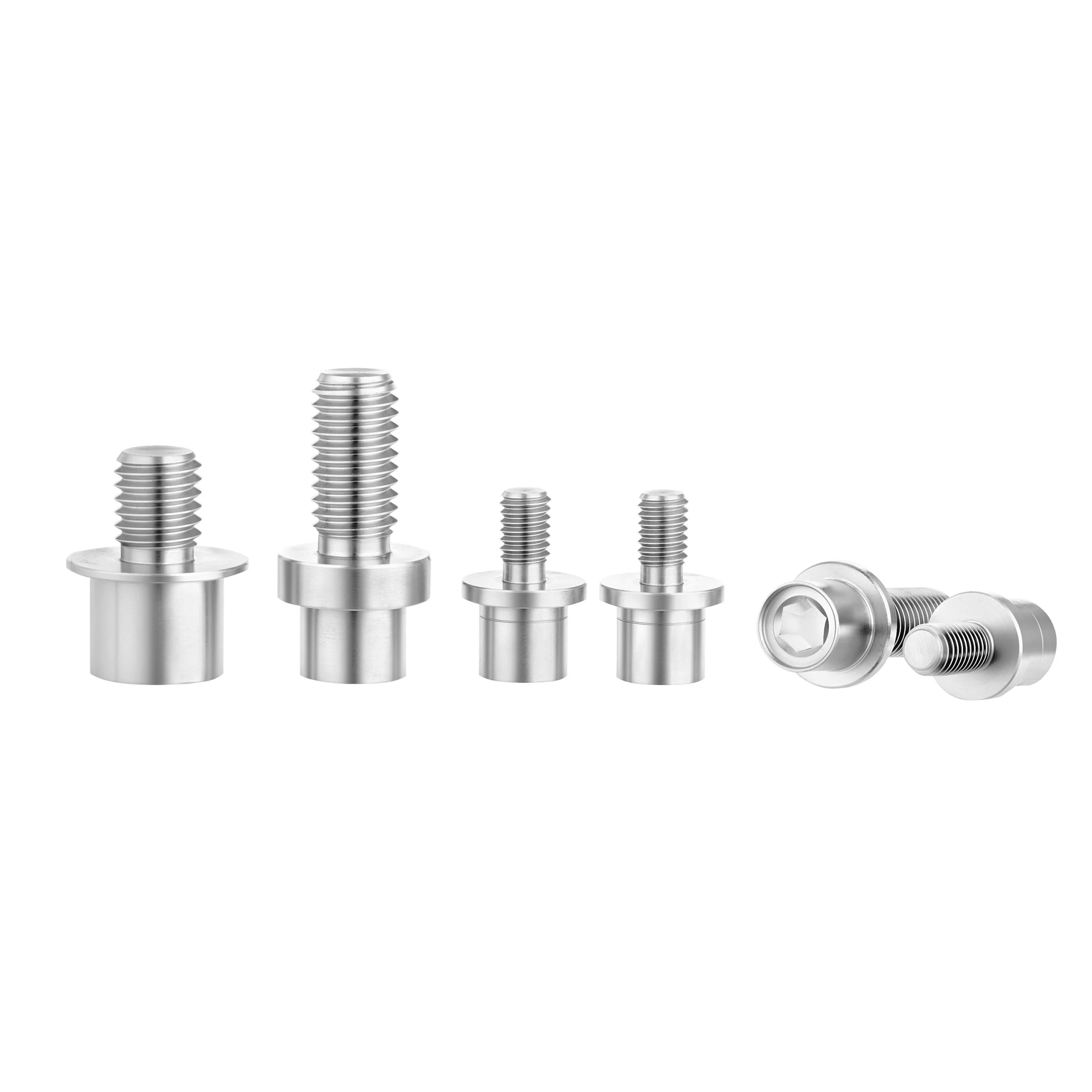
304 and 316 are austenitic stainless families often ordered for boat hardware, dock fittings, and coastal equipment. Molybdenum in 316 improves resistance in many chloride environments compared with 304, but grade alone does not guarantee life. Crevice geometry, oxygen access, temperature, surface finish, and galvanic pairing with aluminum, carbon steel, or copper alloys can dominate. Do not treat a catalog photo of a shiny bolt as proof of 316 or of marine suitability.
Quick comparison for RFQ language
| Topic | 304 / A2 typical RFQ note | 316 / A4 typical RFQ note | Still required either way |
|---|---|---|---|
| Chloride splash / coastal air | Often chosen for milder exposure if your engineer accepts the risk | Often preferred when chloride risk is higher | Actual exposure description on the RFQ |
| Continuous immersion / harsh crevices | Usually needs case-by-case review | Still needs case-by-case review | Do not claim lifetime from grade name |
| Finish | Pickled/passivated appearance as drawn | Same—name the finish process you require | Appearance photo ≠ process proof |
| Dissimilar metals | Isolation plan | Isolation plan | Washer, bushing, coating, or redesign notes |
Step 1 — Replace slogans with exposure notes
Write whether the fastener sees standing water, wet-dry cycling, bilge chemicals, or only interior cabin air. If the part is decorative above deck but loads a submerged hinge, say so. Your drawing should own the environment; suppliers cannot infer it from “boat” in the email subject.
Step 2 — Specify the required finish and inspection records
“Stainless look” is not a finish callout. If you require passivation, a particular brightness, or coating over stainless, put the process or acceptance method on the print. Salt-spray hours from a generic brochure are not a substitute for your acceptance criteria, and ASTM salt-spray methods do not equal years of service life.
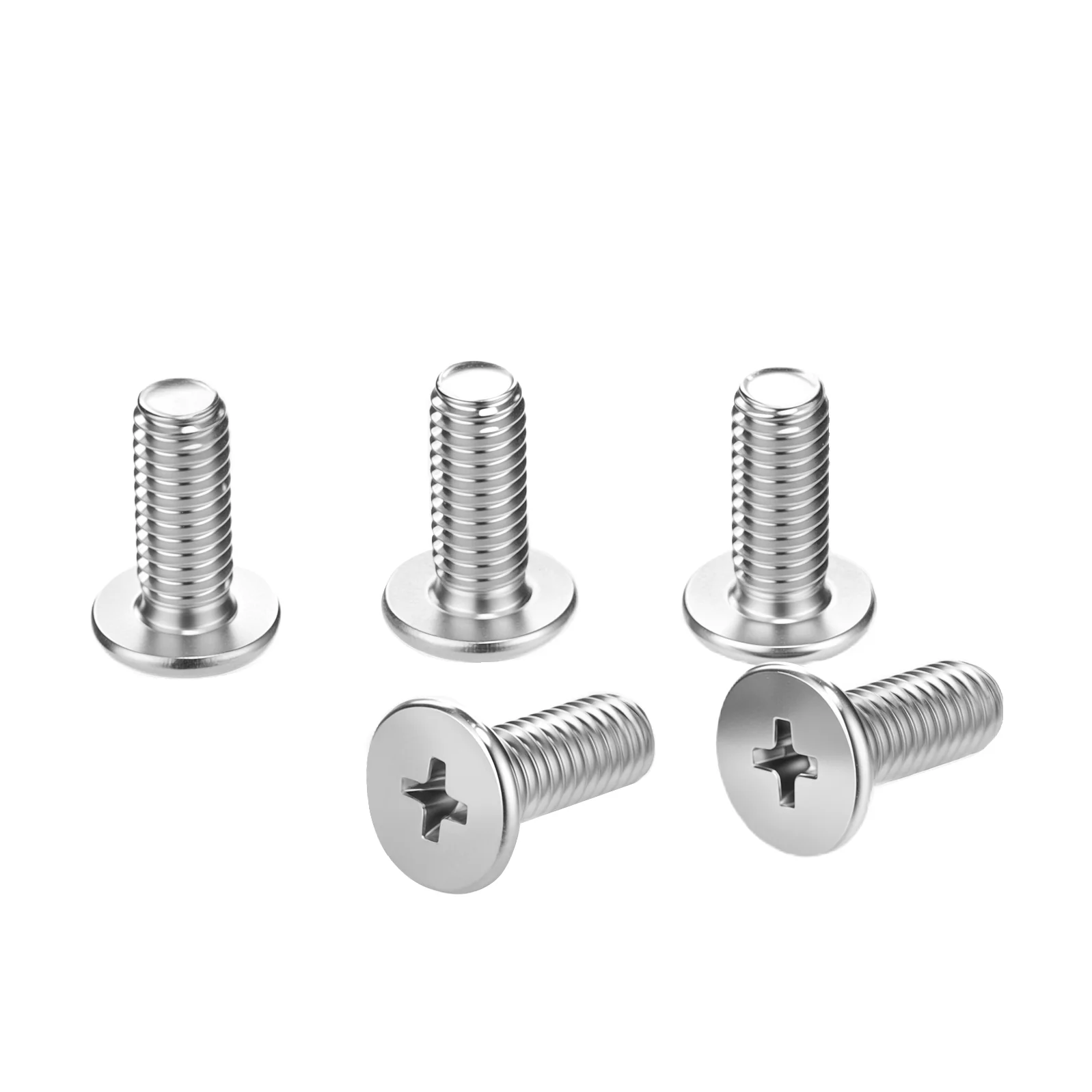
Illustrative pairing note (illustrative, not a field test report)
An aluminum bracket with a stainless screw and no isolation washer can form a galvanic couple in wet service. Specifying 316 does not remove that risk. Add isolation hardware or coating notes on the assembly drawing, then qualify the joint in your environment. This is an engineering boundary, not a catalog upgrade path.
Step 3 — Geometry and drive still matter at sea
Marine RFQs still need head, drive, thread, length, and mating clearance. Washer-head or flanged designs may help bearing on soft composites; they do not change alloy corrosion behavior. Keep geometry and alloy as separate fields.
RFQ checklist for marine stainless
| Field | Why |
|---|---|
| Exact grade / standard designation | Stops “marine stainless” ambiguity |
| Finish / passivation requirement | Appearance and process control |
| Exposure description | Splash vs immersion vs cabin |
| Dissimilar-metal isolation | Galvanic risk |
| Geometry + qty + revision | Normal fastener quoting |
| Any forbidden substitutions | Protect approved parts |
FAQ
Is 316 always required for anything labeled marine?
No. Choose grade from exposure and your standards. Some cabin or freshwater uses may accept 304 when your engineer documents the risk.
Does passivation prove seawater durability?
No. Passivation is a surface process step when specified; it is not a lifetime certificate.
Does this guide establish a corrosion warranty for a specific product?
No. Warranties and test scopes come from contracts and drawings you approve—not from a blog checklist.
Is coated carbon steel ever acceptable near salt air?
Only if your drawing and engineer accept that system. Do not assume a black coating equals stainless performance.
Discuss your drawing with Ruike
Send your drawing, mating-part details, quantity and required inspection records to shizhanhao6@gmail.com. WhatsApp: +65 98695891. WeChat: Ethan1. Get a Quote · Marine fasteners.