Before you send a furniture screw RFQ, name the head geometry, drive system, engagement length, material or finish, and the host substrate—wood, plastic, sheet metal, or a threaded insert. A photo or the label “furniture screw” is not a print. After this guide you can separate wood screws, self-tappers, and machine screws into inserts, and list the fields purchasing needs before a quote.
What “furniture screw” actually covers
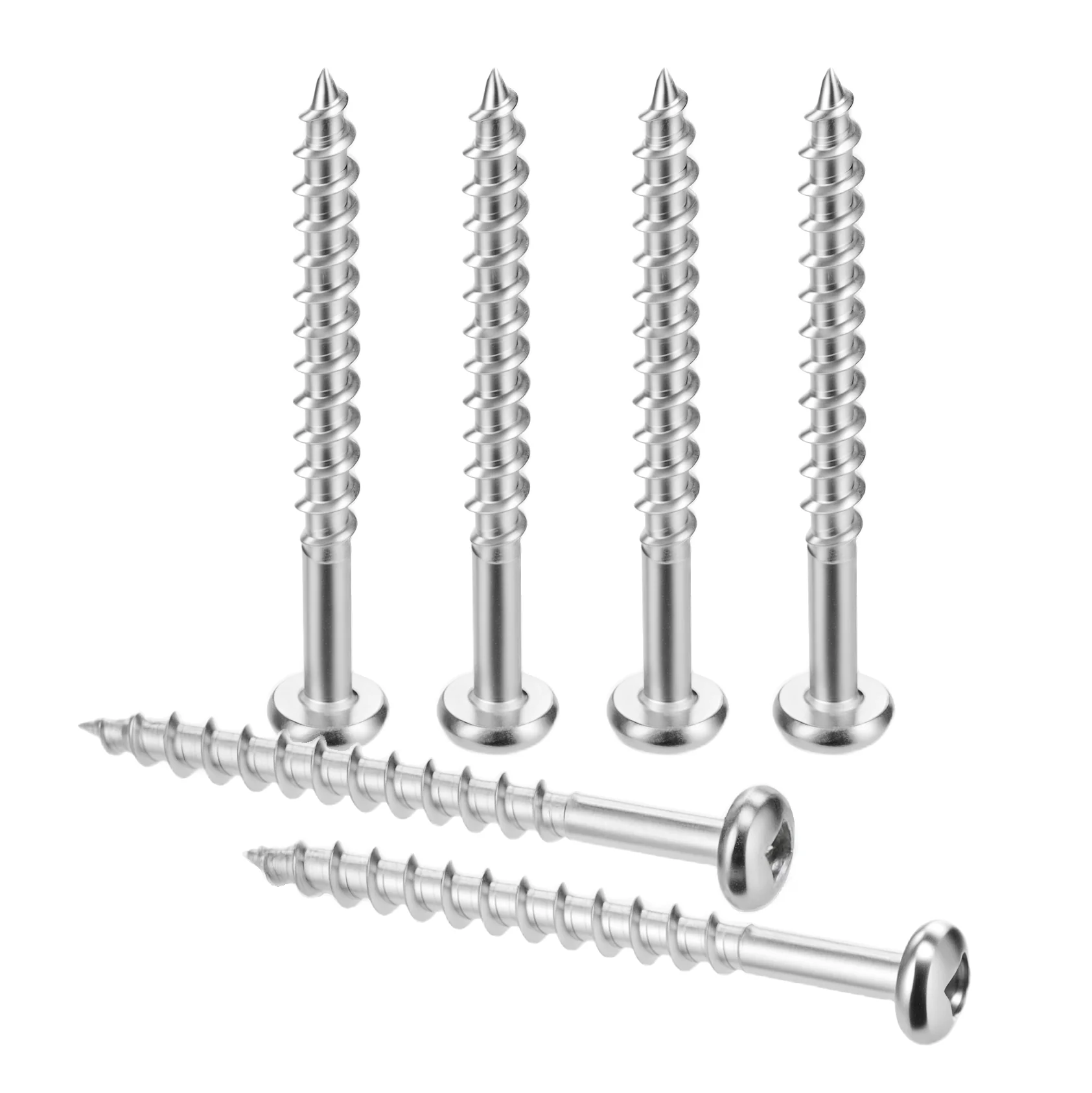
Furniture kits mix several joint types in one carton: confirmat-style wood screws into particleboard, machine screws into metal inserts, self-tapping screws into thin sheet or plastic panels, and barrel (Chicago) screws in knock-down hardware. Each family needs different drawing callouts. Treating them as one catalog line produces the wrong head seat, wrong driver, or strip-out in soft substrate. Industry overview: Furniture screws manufacturer. Related product family: Self-tapping screws.
Quick substrate decision table
| Host condition | Typical screw family | Must specify on RFQ |
|---|---|---|
| Solid wood / engineered wood without insert | Wood screw or confirmat-style, with pilot plan | Major diameter, length under head, thread length, tip, head seat |
| Plastic housing or thin plastic panel | Thread-forming or plastic-rated self-tapper | Point style, pilot diameter, engagement length, strip-out limit |
| Sheet metal in frames or brackets | Sheet-metal self-tapper or machine screw into weld nut | Sheet thickness, hole size, head clearance |
| Pre-installed threaded insert or T-nut | Machine screw matching insert thread | Thread class, length to avoid bottoming, head envelope |
Step 1 — Separate head from drive
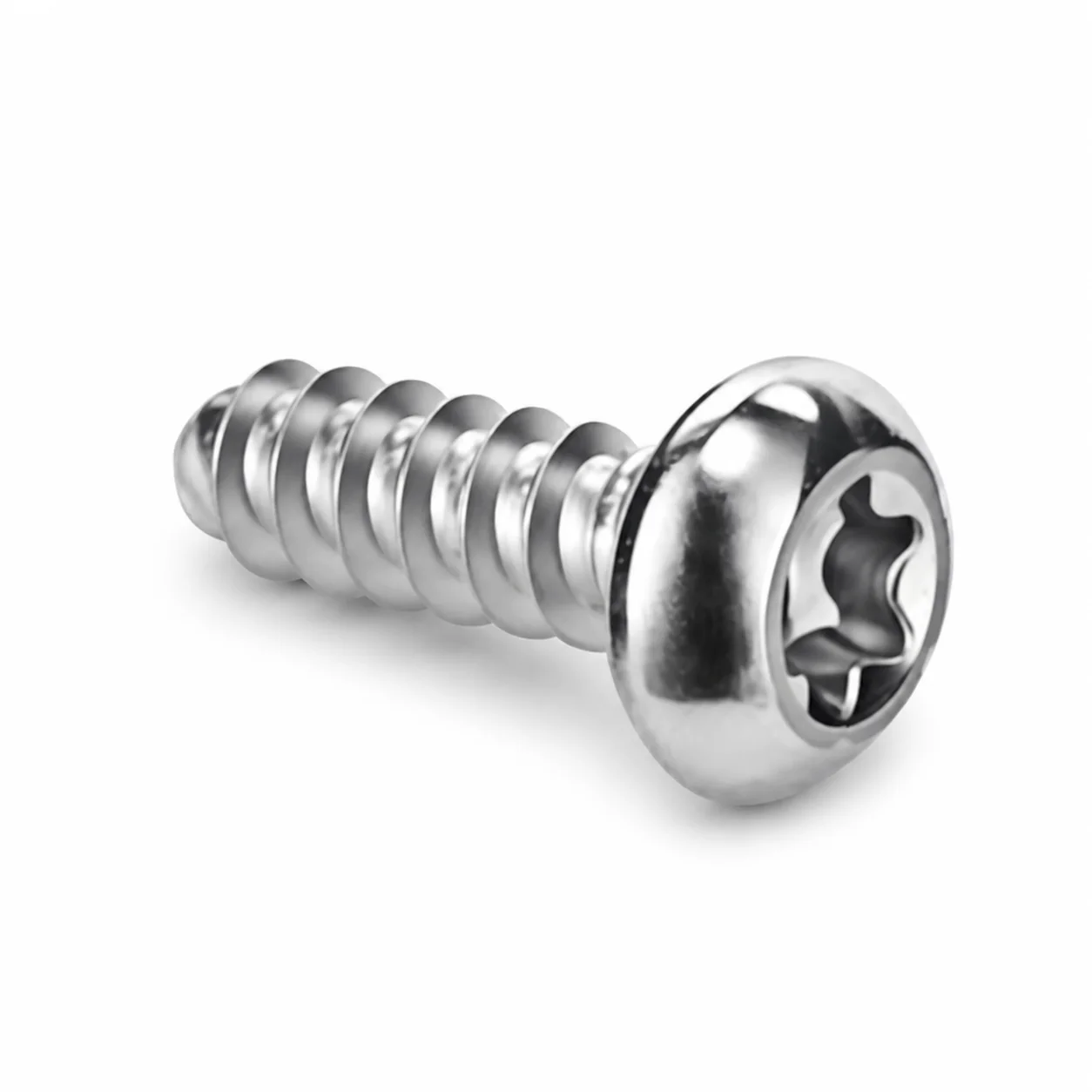
Head type is the outside shape and bearing surface (pan, flat countersunk, button, washer head). Drive type is the tool interface (Phillips, Pozi, Torx/six-lobe, hex socket, slotted). Specify both. A pan head does not imply Phillips; a hex socket does not imply a standard cylinder head height. For flush pockets, also record head angle or underhead radius—thumbnail photos hide those dimensions.
Step 2 — Match engagement to the substrate
In wood, engagement and pilot diameter control split risk and pull-out. In plastic, point style and forming vs cutting thread change strip-out torque. Into inserts, under-head length must clear the insert without bottoming, and the thread must match the insert standard—not a “close” imperial/metric mix. Write the assembled stack and the intended clamp, not only free length.

Illustrative length check (not a Ruike catalog claim)
Assume an insert sits 8.0 mm below the outer face and the screw must leave 1.5 mm unused thread at the bottom of a 12 mm insert. A candidate under-head length of 10 mm may bottom; 8.5–9.0 mm may leave the planned clearance. Measure the actual insert and pocket on first article; do not approve from nominal catalog length alone.
Step 3 — Indoor vs outdoor finish is a separate RFQ
Indoor painted carbon steel and outdoor 304/316 stainless are different inquiries. If the set ships to coastal dealers or wet balconies, name grade and finish explicitly. Related reading: 304 vs 316 selection. Do not invent salt-spray hours or coating warranties in the RFQ unless your drawing already owns those requirements.
RFQ fields to attach with the drawing
| Field | Why it matters |
|---|---|
| Head + drive + driver size | Seat flushness and line tooling |
| Thread designation + length under head | Engagement without bottoming |
| Host material + insert yes/no | Family selection |
| Material / finish / grade | Indoor vs outdoor duty |
| Qty, sample path, revision | Tooling and approval timing |
| Acceptance notes | Torque window, seating check, packaging |
FAQ
Can Ruike redesign my furniture joint?
We manufacture to print or an approved sample. Joint redesign stays with your engineers; we flag manufacturability risks when they appear on the drawing or sample.
Is a chat photo enough to quote?
No. Photos help orientation. Quoting needs head, drive, thread, length, substrate, and finish callouts—or a measured sample with an agreed drawing.
Do you publish a fixed furniture MOQ on the website?
No fixed website MOQ. Quantity is confirmed per inquiry against tooling and packaging.
Does “stainless” alone mean outdoor patio duty?
No. Name the grade and finish. 201, 304, and 316 are not interchangeable for coastal exposure.
Discuss your drawing with Ruike
Send your drawing, mating-part details, quantity and required inspection records to shizhanhao6@gmail.com. WhatsApp: +65 98695891. WeChat: Ethan1. Get a Quote · Furniture industry page.