 English
 Arabic
 Dutch
 French
 German
 Italian
 Portuguese
 Russian
 Spanish
Role: This page explains tensile strength, yield strength, and proof load as concepts for OEM readers who land on informational queries (including proof strength / proof load). It is not the bolt grade / property-class selection guide and it does not replace a named class on the RFQ. For marked families (example 8.8, Grade 5) and enquiry locks, use bolt grades OEM buyer guide, then submit Get a Quote. Confirm proof-load requirements and head markings against the specified product standard and approved drawing.
When discussing fastener strength, three terms are often mentioned: tensile strength, yield strength, and proof load. These three values are commonly used to describe the mechanical performance of screws, bolts, and other fasteners.
But what do they actually mean? What is the difference between tensile strength, yield strength, and proof load? More importantly, how can these three indicators be used to evaluate fastener strength and determine whether a fastener is suitable for a specific application?
Understanding these basic strength limits can help OEM buyers, engineers, and procurement teams make more informed decisions when selecting a high strength fastener.
Tensile Strength vs. Yield Strength vs. Proof Load
Although these three indicators are all used to evaluate fastener strength, they describe different aspects of fastener performance. The following table provides a quick comparison:
| Strength Indicator | Definition | Main Purpose |
| Tensile Strength | Maximum tensile stress reached during the specified test; report stress units such as MPa or ksi | Evaluate ultimate strength |
| Yield Strength | Point at which permanent deformation begins | Evaluate permanent-deformation limits; not a stand-alone allowable working load |
| Proof Load | Verification load that a fastener can withstand without unacceptable permanent deformation | Check the tested fastener against the specified proof-load acceptance criterion |
What Is Tensile Strength?
Tensile strength is the maximum tensile stress a fastener can withstand before it breaks.
OEM RFQ module — lock these fields before you compare quotes
Proof / tensile vocabulary on this page is conceptual. For a same-scope OEM quote, lock a named strength family plus the fields below—then open Get a Quote with the drawing.
Cover all seven information classes below. Leave a cell blank only when the drawing truly does not apply — do not invent MOQ, lead time, or salt-spray hours.
| RFQ field | What to lock | Notes |
|---|---|---|
| Material / alloy | Carbon steel family or stainless alloy family (do not RFQ bare “SS” / “high strength”). | Required for same-scope quotes |
| Grade / property class | Named ISO property class (e.g. 8.8) or SAE/ASTM grade (e.g. Grade 5). Proof load language alone is not a class. | Named family; no hybrids |
| Tolerance or head/drive | Head / marking family if required by drawing; do not invent hybrid marks (e.g. “Grade 8.8”). | Page-theme cell |
| Usable thread / length method | Usable thread / full vs partial if the joint cares; else “per drawing”. | Avoid method mix-ups |
| Quantity | Target qty for this SKU / release; MOQ only if buyer already knows (buyer-filled — do not invent) | Pending plant MOQ cells |
| Destination port / ship-to | Ship-to city/port + Incoterms if known (buyer-filled) | Lead time calendar not published here |
| Drawing / Rev / sample | PDF/CAD Rev or approved sample photo on the same enquiry | Required for production RFQ |
When the cells that change fit and strength are filled, submit via Get a Quote and attach the drawing or sample on the same enquiry. Prefer a written desk path? Use Contact Us.
Related OEM next steps:
- Get a quote with strength class and proof-load callouts
- Torque, preload, and proof load on RFQ drawings
- Bolt grades OEM buyer guide
The tensile strength of a fastener can be affected by several factors, including:
- Material strength – Different materials have different mechanical properties.
- Heat treatment – Proper heat treatment can improve the strength and hardness of the fastener.
- Fastener dimensions – Diameter, thread size, and effective stress area can affect the load a fastener can withstand.
For buyers and engineers, tensile strength is mainly used to evaluate:
- Maximum load-bearing capacity
- Safety margin for the application
- Suitability for high-load applications
However, tensile strength represents the point close to ultimate failure. It should not be treated as the normal working load of a fastener. When selecting a high strength fastener, yield strength and proof load should also be considered.
What Is Yield Strength?
Yield strength is the stress at which a fastener begins to undergo permanent deformation. Below this point, the fastener can generally return to its original shape after the load is removed. Once the yield strength is exceeded, permanent deformation may occur.
For a bolt or screw, this can lead to:
- Fastener stretching or deformation
- Loss of preload
- Reduced connection reliability
In practical applications, yield strength helps engineers and buyers answer an important question:
Can the fastener withstand the expected working load without permanently changing its shape?
This makes yield strength an important part of evaluating fastener strength, especially when selecting a high strength fastener for applications involving continuous or heavy loads.
What Is Proof Load?
Proof load is the specified load that a fastener should withstand without developing unacceptable permanent deformation. Unlike tensile strength, which represents the point of ultimate failure, proof load is mainly used as a performance and quality verification value.
For fastener manufacturers, proof load testing can help verify:
- Batch-to-batch consistency
- Strength consistency
- Reliable performance under the specified load
For buyers, distinguish proof load (a force, such as N or lbf) from proof stress (such as MPa or ksi). Check the applicable standard, test method and acceptance criteria. A passing sampled test does not show that every piece was individually tested or establish the allowable load of the complete joint. Connect the report to the lot and the agreed sampling plan.
Proof language ≠ RFQ class. Proof load / proof strength describe a verification idea; they do not tell the supplier which marked family to make. Put a named ISO property class (example 8.8) or SAE/ASTM grade (example Grade 5) on the enquiry—see bolt grades OEM buyer guide—plus material family and finish. Keep conceptual definitions on this page; keep marks and dual-source rules on the Grades pillar. When class/grade is locked, open Get a Quote. Obtain proof-load values from the applicable product standard for the specified fastener and property class.
What Determines Fastener Strength?
Several factors can affect the final strength of a screw or bolt.
Material
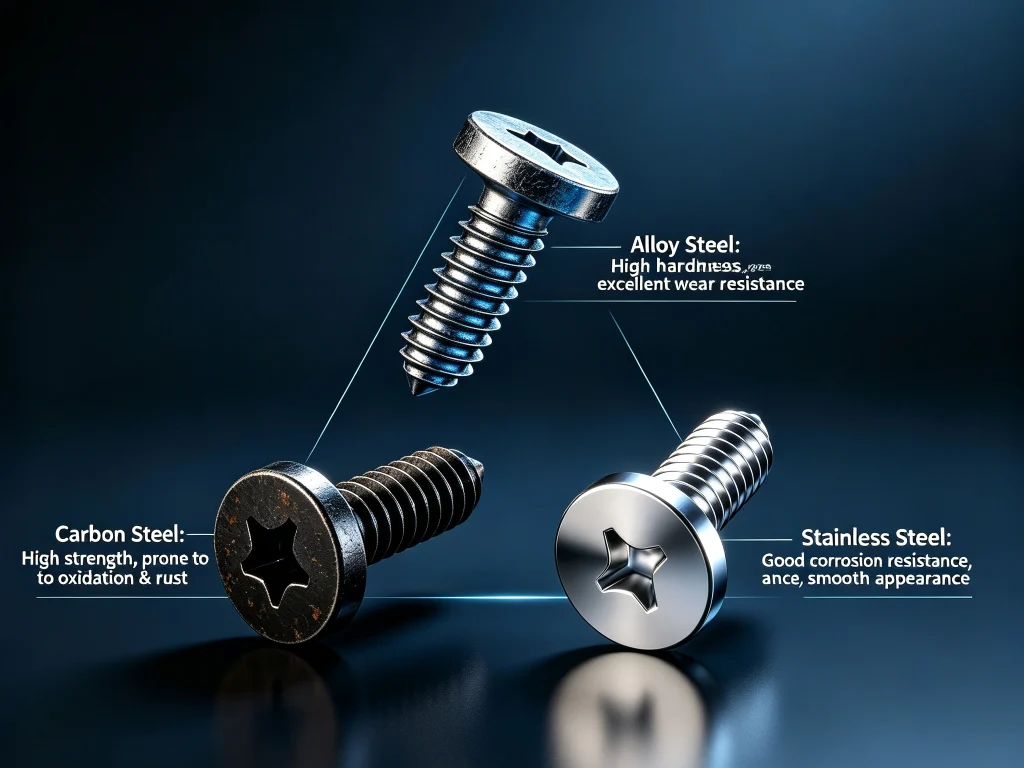
Carbon steel, alloy steel, stainless steel, and other materials have different mechanical properties. High-strength applications may require specific alloy compositions and controlled material conditions.
Fastener Grade
Fastener grades defined by standards such as ISO, DIN, ASTM, GB, or JIS specify different mechanical performance requirements. Buyers should always confirm the required standard and grade before ordering.
Heat Treatment
For many high-strength fasteners, heat treatment plays an important role in achieving the required hardness and mechanical properties. Proper control of the process helps maintain strength consistency between production batches.
Dimensions and Thread Design
Diameter, thread size, and effective stress area also affect the load that a fastener can withstand. A change in dimensions can therefore affect the actual performance of the connection.
Manufacturing Quality
Cold heading, thread rolling, machining, heat treatment, and final inspection all contribute to dimensional accuracy and mechanical consistency.
How to choose strength for an OEM RFQ (not a third buying guide)
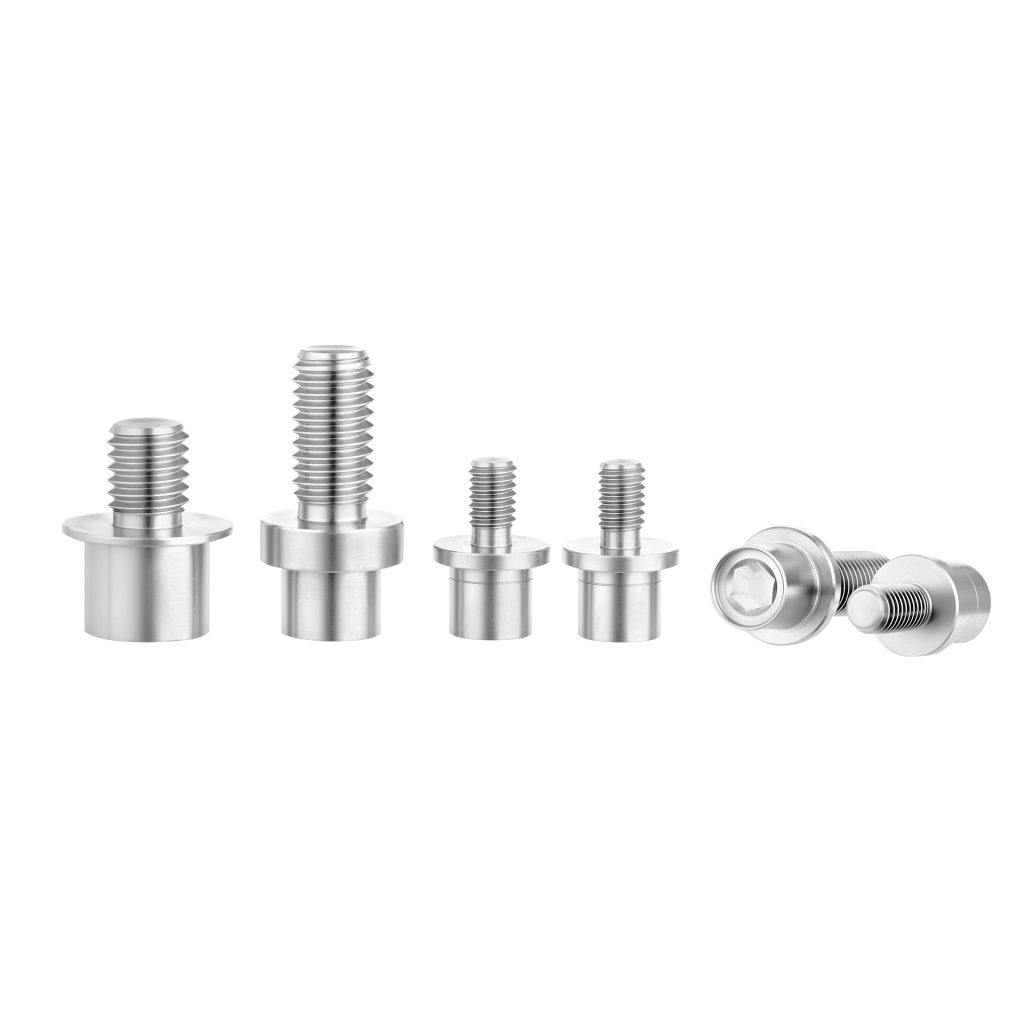
Shoulder Screw
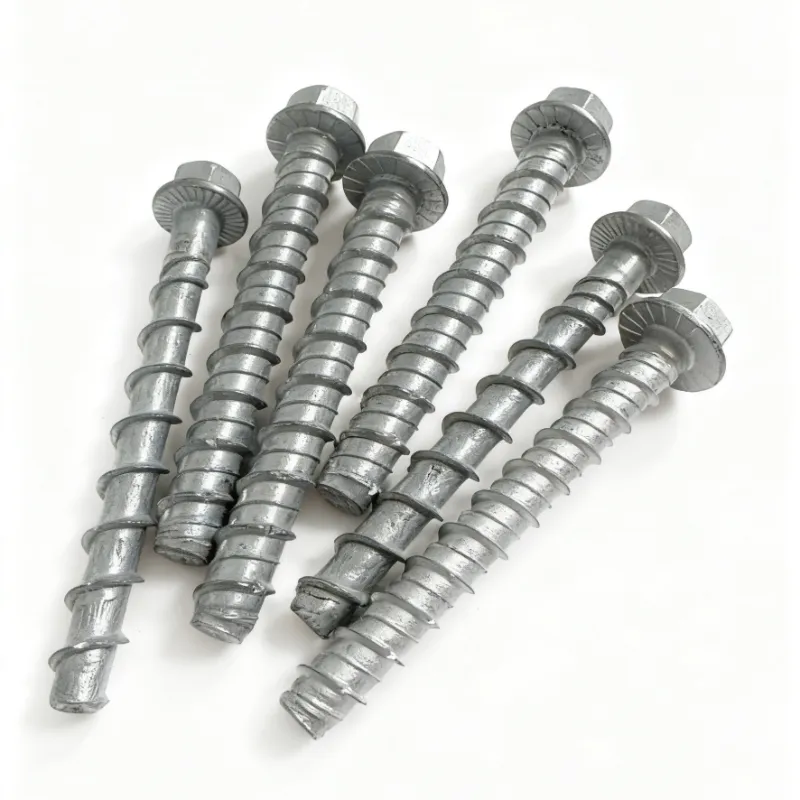
- Decide whether the joint is specified by property class / grade mark or only by load language in a report.
- If a mark is required, lock it on bolt grades OEM buyer guide—do not invent hybrids like “Grade 8.8.”
- If you only have proof/tensile vocabulary from a test report, translate to a buyer-named class with engineering sign-off; this concepts page does not auto-map numbers.
- Add finish + diameter × pitch/TPI + length method, then Get a Quote.
Stainless alloy selection is a different lock: stainless steel screws OEM selection.
Agree: concepts here, marks on Grades, then quote
Use this page to align on tensile / yield / proof wording with your engineer. Put the named class or grade on the RFQ via bolt grades OEM buyer guide, then submit Get a Quote. Sister: hex bolts OEM selection.
Get a Professional Solution
Understanding tensile strength, yield strength, and proof load gives buyers a clearer way to evaluate fastener strength.
For a high strength fastener, these properties should be considered together with material, grade, dimensions, heat treatment, operating conditions, and testing requirements. Choosing a manufacturer with controlled production and inspection processes can help ensure that the finished fasteners meet the required mechanical and dimensional specifications.
Looking for high strength fasteners made to your specifications? Contact Hongyuan Fastener to discuss your material, strength grade, dimensions, testing requirements, or OEM drawings.
OEM buyer decisions — before you RFQ
Is “proof strength” / proof load enough to put on an OEM RFQ?
No. Proof load / proof strength describe a verification idea. The RFQ still needs a named ISO property class (example 8.8) or SAE/ASTM grade (example Grade 5), plus material family and finish. Keep conceptual definitions on this guide; put the mark on the enquiry. Numeric proof-load tables without a linked standard excerpt stay pending evidence.
Can we RFQ “high strength fasteners” without a class or grade?
Avoid it. “High strength” is not a manufacturing specification. Lock the marked family your drawing or engineer approves, then add diameter × pitch/TPI, length method, and finish. If you only have test-report vocabulary, translate to a buyer-named class with engineering sign-off before production quote.
Does stainless use the same grade marks as carbon property class?
Not as a hard swap. Stainless is usually locked by alloy / stainless fastener grade family (for example A2-70 / 304 vs A4-80 / 316 practice)—not by pasting carbon 8.8 language onto an SS line. Name the stainless family separately on the RFQ.
What should we attach so strength quotes stay same-scope?
Drawing or Rev, named class/grade, material family, finish/passivation need, quantity, and ship-to/port if known. Head marks on a photo help identification but do not replace the written class on the brief.
Where do we send the strength-locked brief?
Use the drawing-based form after the fields above are filled. MOQ and plant calendar cells are buyer- or ops-filled when known—do not invent catalogue MOQ here.
Ready to lock the fields above? Submit a drawing-based brief via Get a Quote.
Next step — drawing-based OEM enquiry
When proof language is translated to a buyer-named class/grade, send the brief for quoting.
- Get a Quote — preferred RFQ form for drawings / Rev / sample photos (production path).
- Contact Us — desk path for clarification before the formal RFQ.
Do not send bare “high strength / SS / standard screw” labels without the seven-field locks above. Hongyuan quotes from buyer-named fields + drawing scope — not from catalogue guesswork.