 English
 Arabic
 Dutch
 French
 German
 Italian
 Portuguese
 Russian
 Spanish
What makes one fastener material suitable for one application but unsuitable for another?
The answer depends on factors such as strength, corrosion resistance, working environment, and service requirements.
For OEM buyers, choosing the wrong fastener materials may lead to problems such as corrosion, fastener failure, and higher maintenance costs. Different industries require different material properties, from high-strength alloy steel for heavy equipment to corrosion-resistant stainless steel for harsh environments.
This guide explains common fastener materials and how to select the right option for different applications.
Fastener Materials Comparison
Different fastener materials offer different advantages in terms of strength, corrosion resistance, weight, and cost. Understanding these differences helps buyers make better purchasing decisions.
Material family
Information needed
Selection limit
Carbon steel
Specify grade, mechanical requirements and finish
Do not infer strength or outdoor life from the material family.
Stainless steel
Specify alloy, property requirements and service environment
Corrosion resistance depends on grade and exposure.
Alloy steel
Specify grade, heat treatment and mechanical requirements
The family name alone does not establish load capacity.
Aluminum
Specify alloy, temper and joint requirements
Compare actual design properties, not a universal strength ranking.
Titanium
Specify alloy, condition and service limits
Do not assume all titanium fasteners share one strength or temperature capability.
Engineering plastics, including nylon
Specify polymer grade and operating conditions
Nylon is a plastic family, not a separate universal performance tier.
There is no universal “best” material for all fasteners. The right choice depends on where the fastener will be used and what performance requirements it needs to meet.
Common Fastener Material Options
1. Carbon Steel Fasteners: The Cost-Effective Industrial Choice
Carbon steel is one of the most widely used fastener materials because it provides a good balance between strength, availability, and cost.
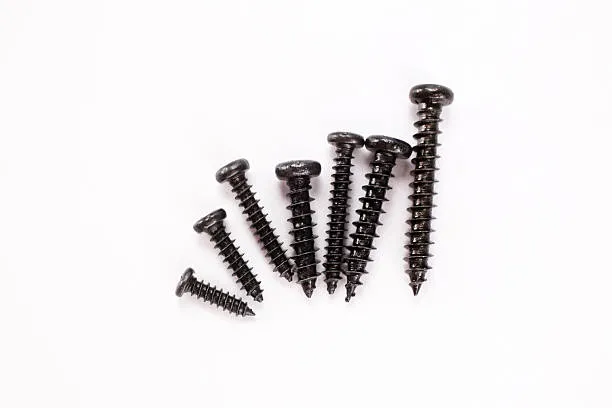
The main advantages of carbon steel fasteners include:
- High mechanical strength
- Good machinability
- Cost-effective production
Carbon steel fasteners are commonly used in machinery, construction equipment, industrial assembly, and general manufacturing applications.
However, carbon steel does not have strong natural corrosion resistance. When used in humid or outdoor environments, additional surface treatments are usually required. Common options include zinc plating, black oxide coating, and other protective finishes.
For OEM buyers looking for reliable fastening performance at a competitive price, carbon steel remains one of the most practical choices.
2. Stainless Steel Fasteners: A Solution for Corrosive Environments
Stainless steel is widely selected when corrosion resistance and long-term reliability are important.
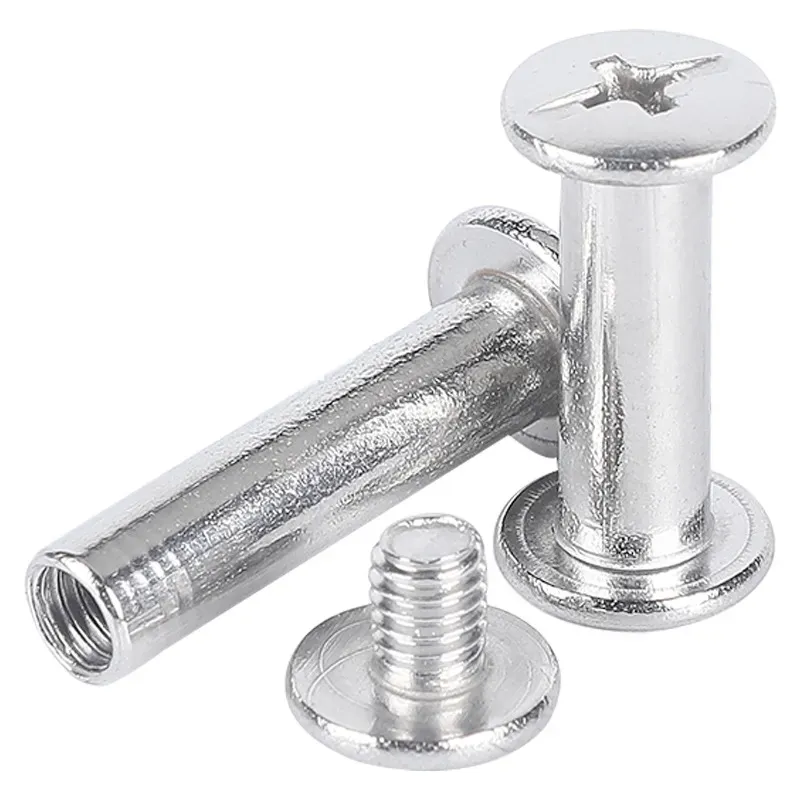
Compared with carbon steel, stainless steel provides better resistance against rust, oxidation, and environmental exposure. This makes it suitable for applications where fasteners must maintain performance over extended periods.
The two most common stainless steel grades used in industrial fasteners are 304 and 316.
Material Grade
Characteristics
Typical Applications
304 Stainless Steel
Good corrosion resistance and cost balance
Industrial equipment, outdoor products
316 Stainless Steel
Higher resistance to salt and chemicals
Marine, chemical, food processing industries
For OEM projects where product lifespan and environmental resistance are priorities, stainless steel is often a reliable choice.
3. Alloy Steel Fasteners: For High-Strength Applications
When standard materials cannot meet load requirements, alloy steel fasteners provide a higher-performance solution.
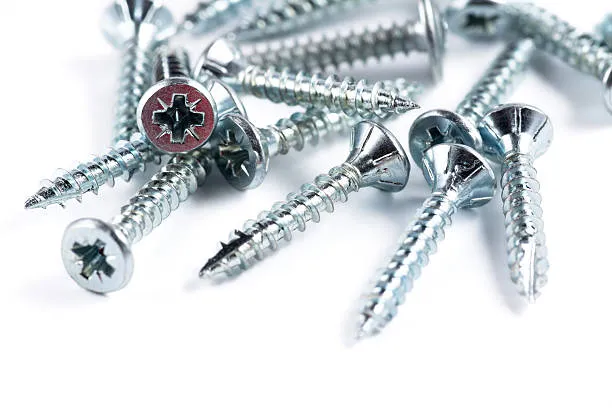
Through alloy composition and heat treatment, alloy steel can achieve improved mechanical properties, including:
- Higher tensile strength
- Better fatigue resistance
- Increased hardness
- Strong load-bearing capability
These characteristics make alloy steel suitable for demanding applications such as:
- Automotive components
- Heavy machinery
- Engineering equipment
- High-load industrial systems
Suitable coatings and surface treatments can improve alloy steel durability in different environments.
4. Aluminum Fasteners: Lightweight and Efficient
Aluminum fasteners are mainly used when weight reduction is an important design consideration.
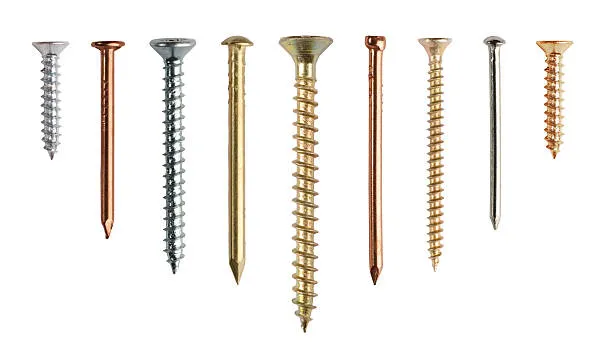
Compared with steel materials, aluminum offers:
- Lightweight construction
- Good corrosion resistance
- Easy handling and installation
These properties make aluminum fasteners suitable for electronics, lightweight structures, and applications where reducing overall product weight is necessary.
However, aluminum has lower strength compared with steel and alloy materials. Therefore, it is usually not recommended for heavy-load or high-stress applications.
5. Titanium Fasteners: Premium Performance Material
Titanium fasteners are designed for applications where both strength and lightweight performance are required.
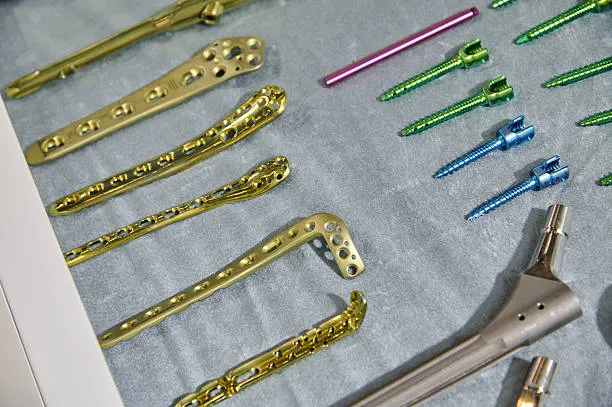
Their key advantages include:
- Excellent strength-to-weight ratio
- Outstanding corrosion resistance
- Performance to be verified for the specified environment and temperature
Titanium fasteners are commonly used in aerospace, advanced equipment, and specialized industrial projects.
Although titanium has a higher cost compared with traditional materials, its performance advantages make it valuable in applications where reliability and weight reduction are critical.
6. Plastic and Nylon Fasteners: Non-Metal Fastening Solutions
Plastic and nylon fasteners provide an alternative solution for applications requiring insulation, lightweight design, or chemical resistance.
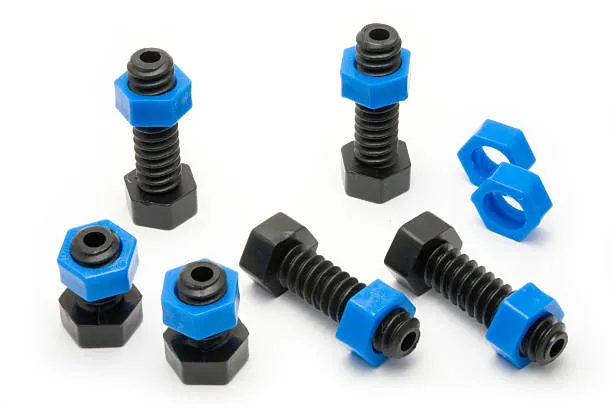
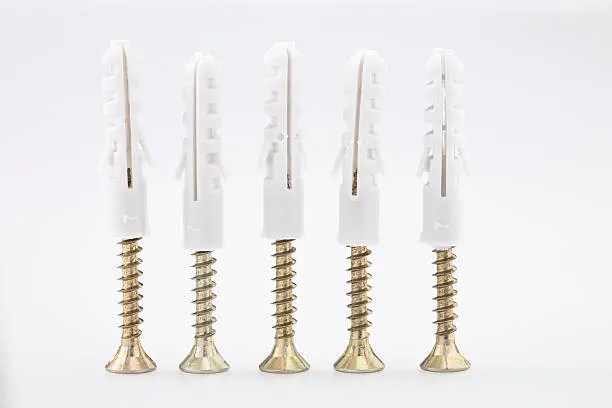
Compared with metal fasteners, these materials offer:
- Electrical insulation
- Corrosion resistance
- Lightweight properties
- Reduced risk of surface damage
Nylon is one family of engineering plastics. Compare the specified polymer grades and service conditions rather than assuming that nylon always outperforms other plastics.
They are commonly used in electronics, electrical equipment, automotive interiors, and non-structural components.
However, plastic and nylon fasteners are not suitable for applications requiring high mechanical strength or heavy load capacity.
How OEM Buyers Choose the Right Fastener Materials?
Selecting suitable fastener materials requires more than comparing material prices. OEM buyers should evaluate several practical factors before making a decision.
1. Application Environment
The working environment directly affects material selection.
Environment
Recommended Material
Indoor equipment
Carbon steel
Outdoor applications
Stainless steel or coated carbon steel
Marine environments
Evaluate an appropriate corrosion-resistant grade for the actual exposure; 316 is not an automatic approval for every marine condition.
Heavy-load equipment
Alloy steel
Factors such as moisture, chemicals, temperature changes, and salt exposure should be considered during material selection.
2. Strength Requirements
Different applications require different levels of mechanical performance.
Buyers should evaluate:
- Tensile load
- Shear force
- Vibration conditions
- Safety requirements
For high-load applications, alloy steel or heat-treated fasteners are often more suitable due to their higher strength and fatigue resistance.
3. Cost and Performance Balance
Material selection is always a balance between performance and budget.
Carbon steel provides an economical solution for general applications, stainless steel offers better corrosion resistance, and specialty materials such as titanium provide advanced performance for demanding industries.
The ideal material is the one that meets the actual requirements of the project.
4. Material Quality and Supplier Capability
Even the right material cannot guarantee reliable performance without proper manufacturing control.
OEM buyers should consider whether a supplier provides:
- Raw material inspection
- Material traceability
- Production process control
- Final product testing
A qualified manufacturer should not only produce fasteners but also provide professional recommendations based on material characteristics and application requirements.
Choosing a Reliable Fastener Manufacturer
For OEM buyers, selecting the right fastener manufacturer is an important step in ensuring consistent product quality.
A supplier with strong material knowledge can help customers choose suitable materials, optimize product performance, and reduce unnecessary costs.
Hongyuan Fastener supports OEM customers with a wide range of fastener solutions, including carbon steel, stainless steel, alloy steel, and customized fasteners. With professional production experience and strict quality control processes, Hongyuan helps customers achieve stable quality and reliable supply for different industrial applications.
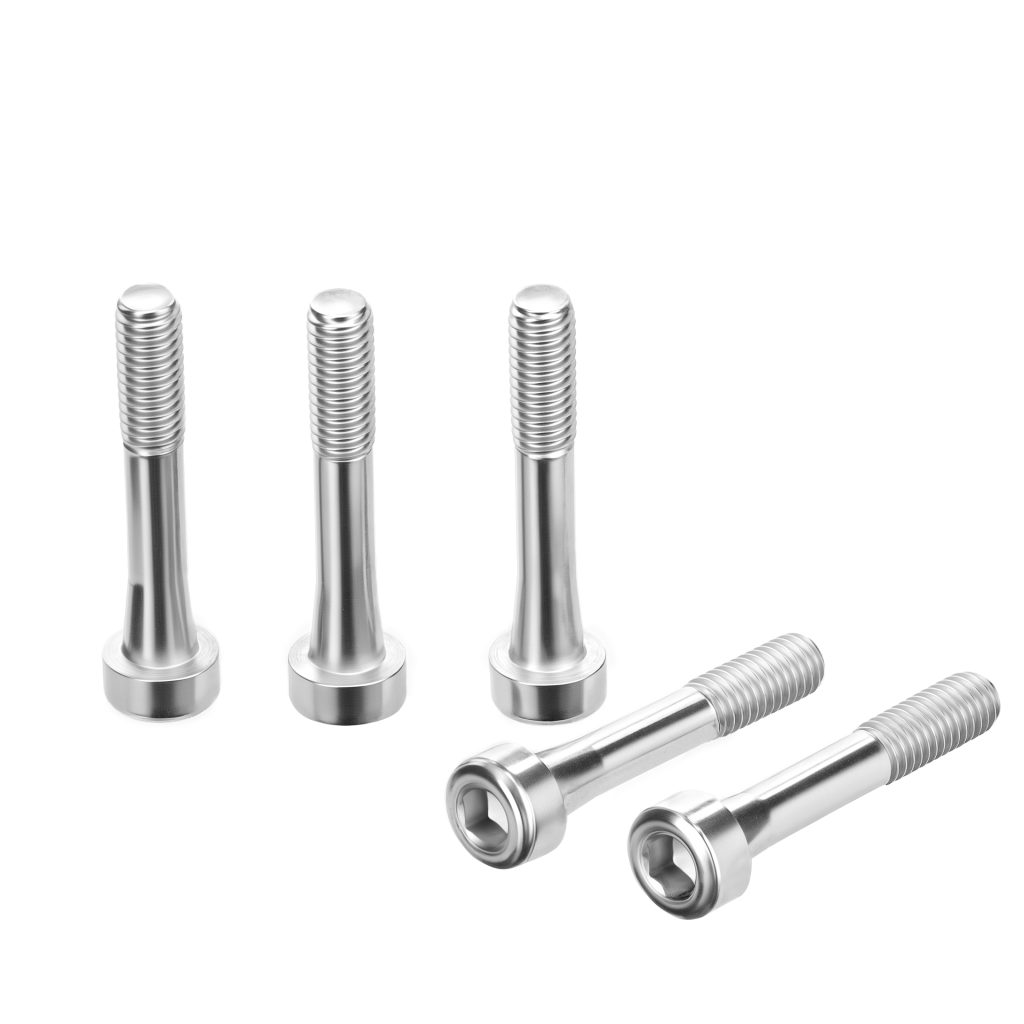
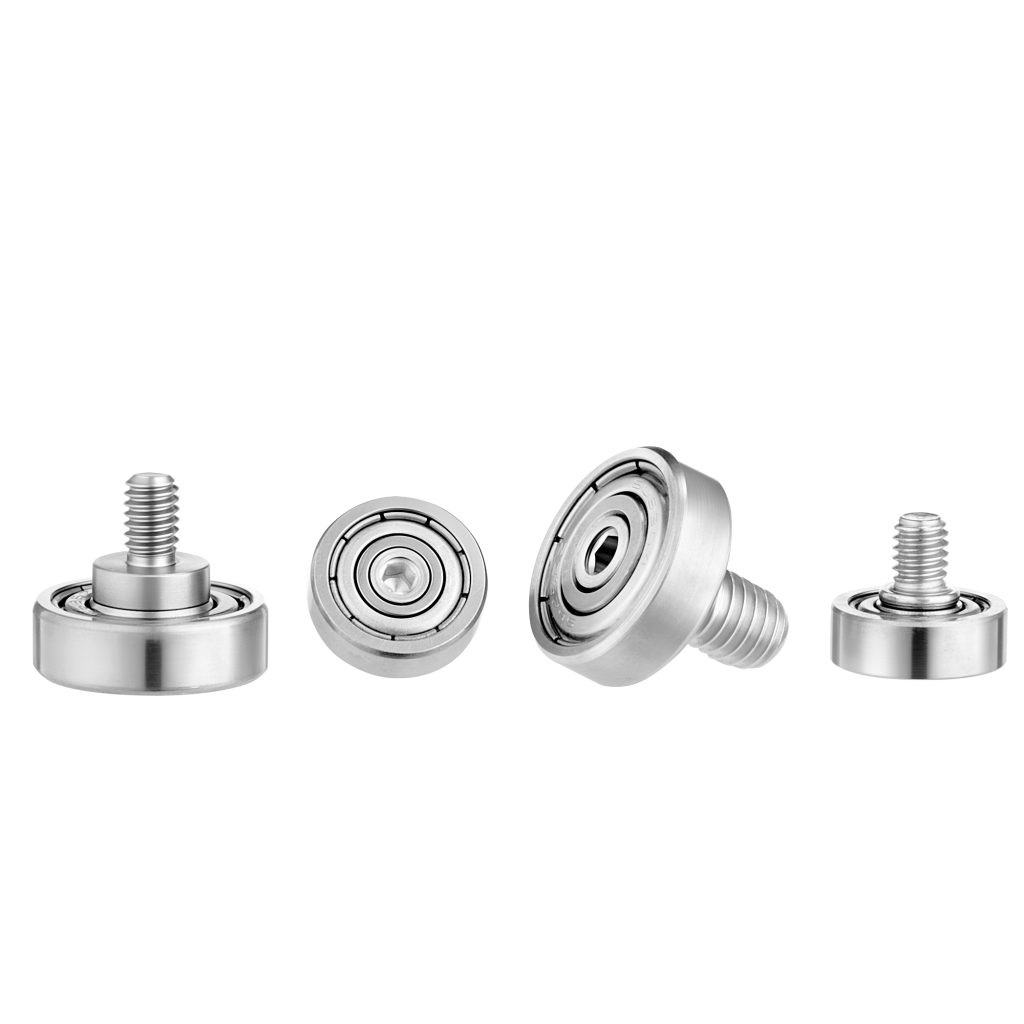
Whether you need standard fasteners or customized solutions based on drawings and specifications, working with an experienced manufacturer can make the sourcing process more efficient and reliable.
Conclusion
Choosing the right fastener materials is essential for achieving reliable connections, long service life, and stable product performance.
Carbon steel, stainless steel, alloy steel, aluminum, titanium, plastic, and nylon each provide unique advantages for different applications. OEM buyers should consider operating conditions, strength requirements, corrosion resistance, and cost before making a final decision.
If you are looking for a reliable fastener supplier with material expertise and OEM manufacturing capability, contact Hongyuan Fastener to discuss your project requirements and find the right fastening solution.