For bathroom and sanitary assemblies, specify under-head length, head envelope, drive, thread, and wet-area material or finish before you RFQ. Steam, cleaners, and visible chrome-adjacent surfaces change both cosmetics and corrosion notes. Do not invent NSF or potable-water listings in a public checklist—put listing requirements only on documents you control. Industry page: Bathroom & sanitary fasteners.
Length is a stack problem, not a catalog preference
Vanity hinges, cistern lids, shower panels, and faucet escutcheons each clamp a different stack: sheet + gasket, ceramic + rubber, or plastic + metal insert. Measure the maximum stack and the unused thread you want left in a blind hole or insert. A screw that is 2 mm longer than needed can bottom and crack a plastic boss or lift a decorative cap.
Head envelope vs chrome-adjacent cosmetics
| Need | Head direction | Watch-outs |
|---|---|---|
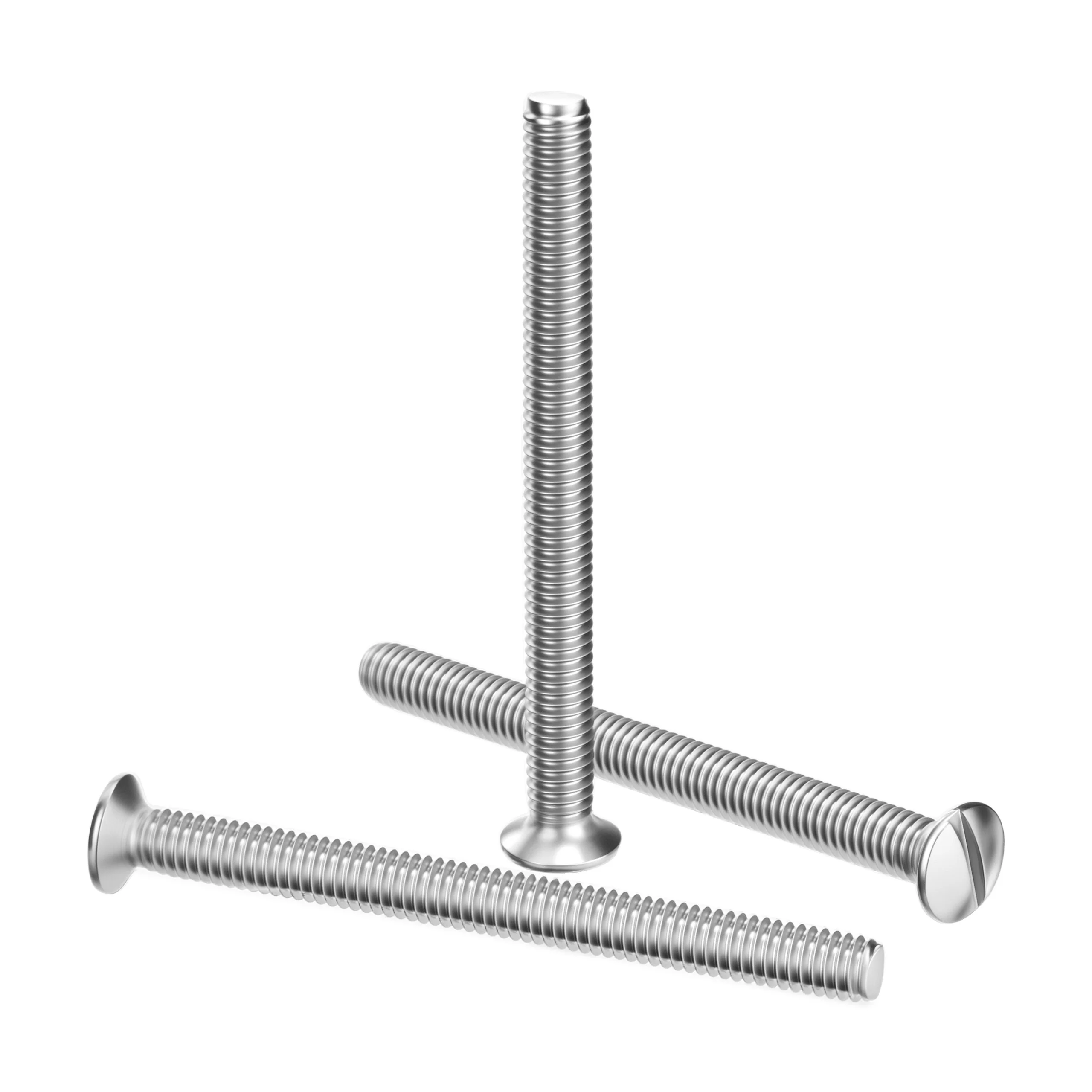
| Flush decorative face | Countersunk / flat | Seat angle must match sink; paint or plating chips show |
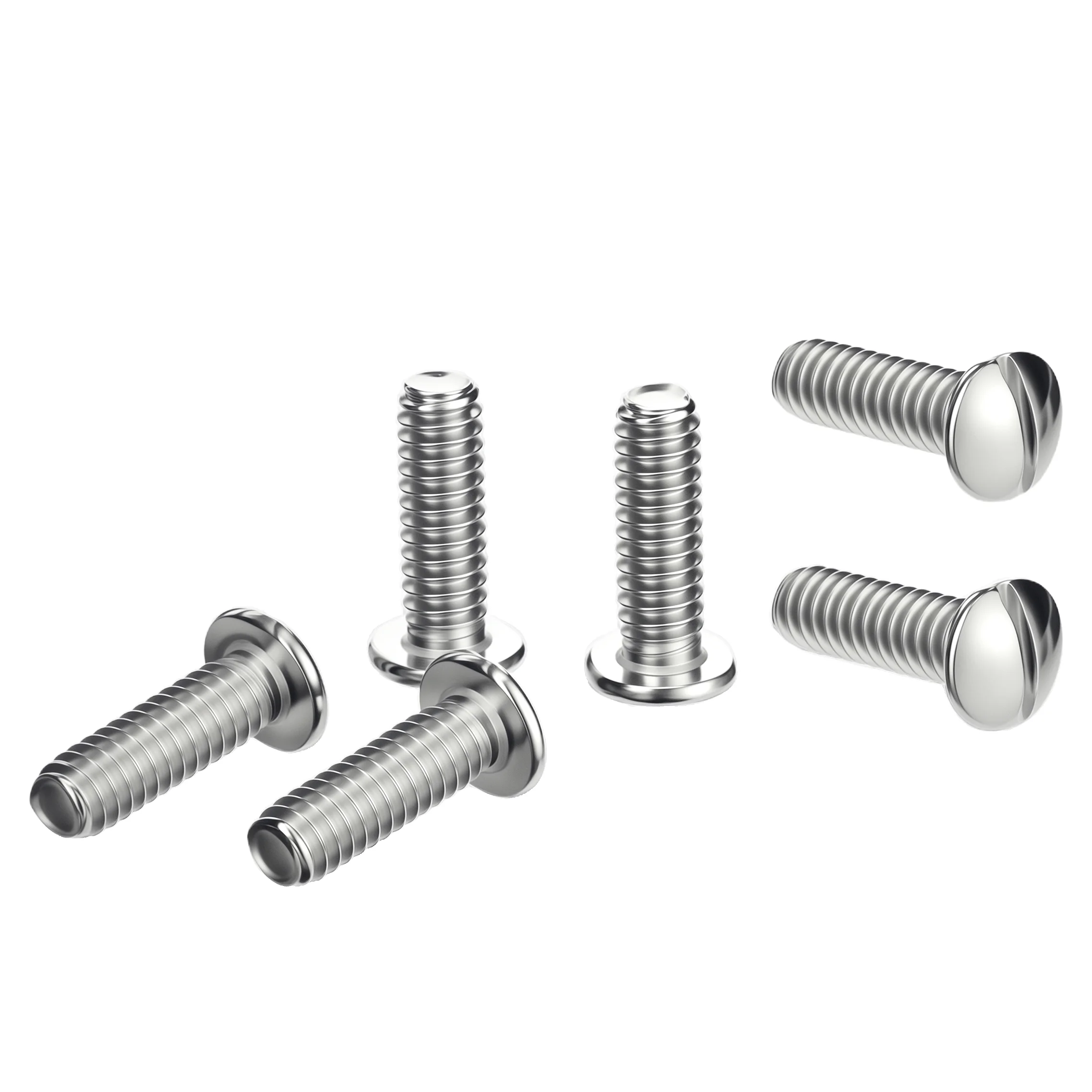
| Soft plastic cover | Pan or washer head | Bearing area vs crack; stack height under lid |
| Tool access in recess | Drive size + head height | Low-profile heads need matching bit access |
| Frequent service | Durable drive (six-lobe often preferred over slotted) | Cam-out marks on visible chrome-adjacent parts |
Step 1 — Specify material for the service environment
Humidity and cleaners are not the same as seawater, but they still need grade and finish callouts. 304 is common for many indoor wet fittings when your engineer accepts it; harsher chemistry may need a different system. Do not equate “bathroom stainless” with a certified sanitary listing unless your controlled specification says so.
Illustrative length screen (illustrative)
Escutcheon 1.5 mm + gasket compressed 0.8 mm + insert usable depth 10 mm, leave 1 mm unused: target under-head length near 1.5+0.8+9 ≈ 11.3 mm before rounding to a standard length and verifying on first article. Always re-measure compressed gasket behavior; free thickness overstates clamp.
Step 2 — Drive choice for field service
Plumbers and installers may use worn bits. Six-lobe or hex often survive better than deep Phillips in repeated service. If the head is chrome-adjacent and visible, specify seating criteria that avoid bit walk. Packaging that kits the matching bit helps field quality more than a longer marketing adjective on the screw.
Step 3 — Document required certifications and evidence
Forbidden in public copy and casual RFQ email: inventing NSF, WRAS, or similar marks. If your SKU requires listed materials, attach the requirement from your compliance file. Ruike quotes the geometry and material callouts you provide.
RFQ fields
| Field | Why |
|---|---|
| Under-head length + thread | Avoid bottoming / short engagement |
| Head + drive | Cosmetics and service |
| Material + finish | Wet-area behavior per your docs |
| Mating stack note | Length truth |
| Qty + sample / finish sample | Appearance approval |
| Forbidden substitutions | Protect approved finish |
FAQ
Can I use a wood screw into a sanitary plastic housing?
Usually the wrong family. Prefer machine screws into inserts or plastic-rated thread formers designed for the resin.
Does polished appearance prove corrosion performance?
No. Appearance and corrosion resistance are separate acceptance topics.
Does this guide establish NSF certification for a product?
No. Listings follow your program documents, not a blog CTA.
Is 316 mandatory for all bathroom screws?
No. Choose grade from exposure, cleaners, and your standards—not from the word bathroom alone.
Discuss your drawing with Ruike
Send your drawing, mating-part details, quantity and required inspection records to shizhanhao6@gmail.com. WhatsApp: +65 98695891. WeChat: Ethan1. Get a Quote · Bathroom & sanitary.